
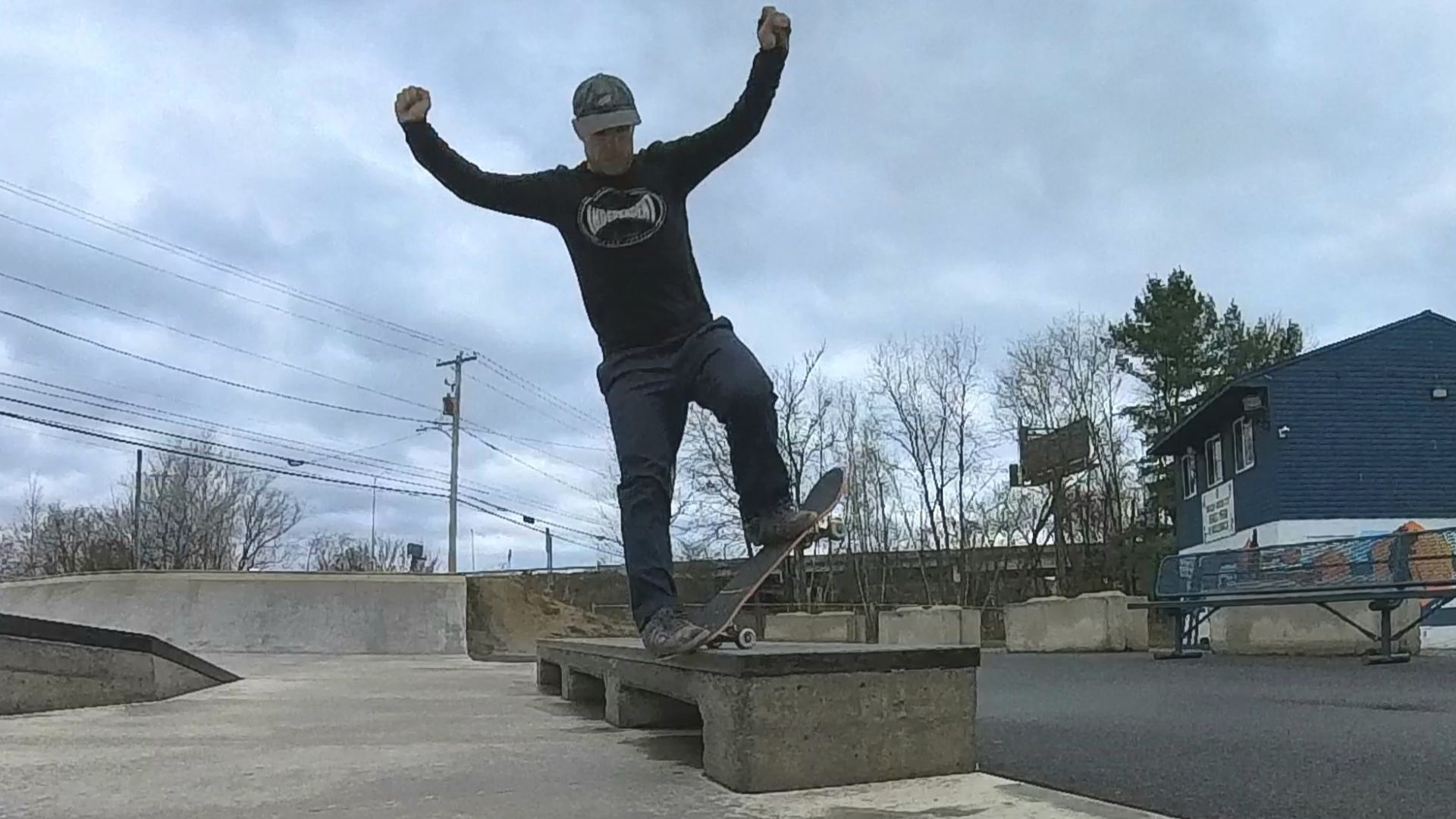

Time spent on your board is what makes you a better snowboarder or skater. However, for those on the East Coast like myself, there are specific times of the year when you can only do one of the two.
While skateboarding and snowboarding are different in some fundamental ways, this article will focus on the skateboarding tricks and skills that translate over to snowboarding so you can improve your riding in the spring and summer.
If you’re a snowboarder bummed that it’s getting warmer out, here’s what I would focus on learning this summer as a skateboarder to help you in the winter as a snowboarder.
Learn Slide Tricks: Boardslides & Noseslides
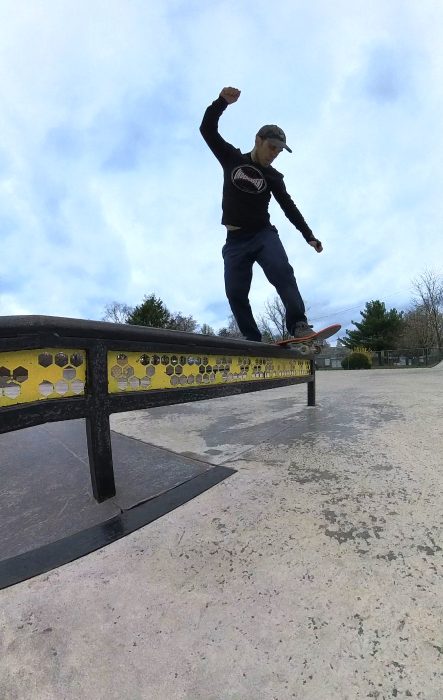
The primary way skateboarding improves your snowboarding is by developing your skills on ledges or flatbars. These skills will directly translate to being a more confident while jibbing on your snowboard. Although the friction of a waxed rail against a skateboard base feels slower than against a snowboard base, the balance required for a boardslide (or tailslide or noseslide) is remarkably similar in both board sports.
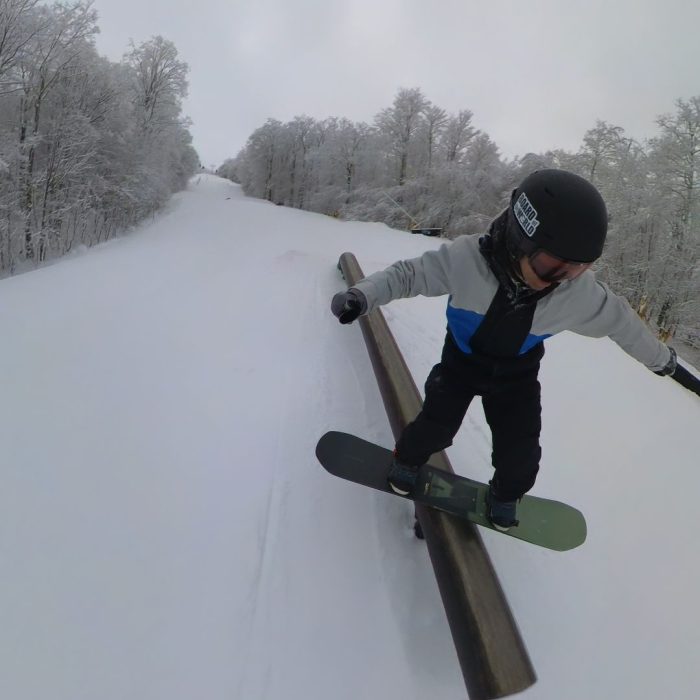
During the summer, you can become a better snowboarder by acquiring a flat rail and mastering board slides on your skateboard. As your skills develop, build confidence by skating at increasing speeds, mimicking the velocity you’ll experience on the mountain.
Mastering Manuals: Tail and Nose Manuals
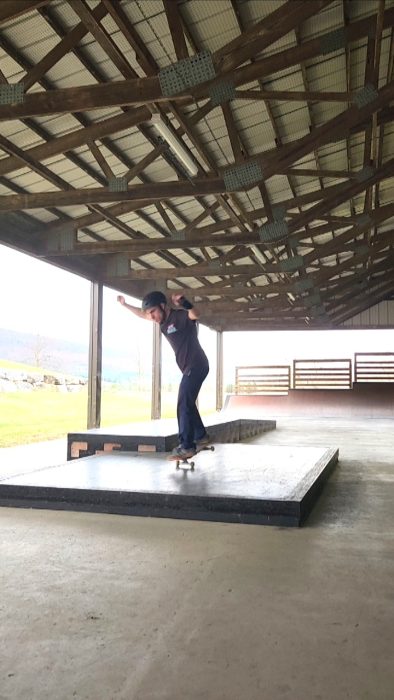
After slide tricks, learning nose and tail manuals on a skateboard can dramatically improve your awareness of weight distribution and balance points over your snowboard, too.
To do a manual on your skateboard, you have to pinpoint the exact balance point directly over either the front or back wheels. Once you find it, keeping your pressure steady to hold it requires a different type of balance and focus (it’s like a form of muscle memory). By practicing holding manuals, you earn an ingrained sense of board feel, become hyper-aware of your balance points over your front or back foot, and develop the calm sense of composure needed to hold a trick through to the end of a feature. These are the same skills required for learning to progress with buttering and pressing on features while you snowboard.
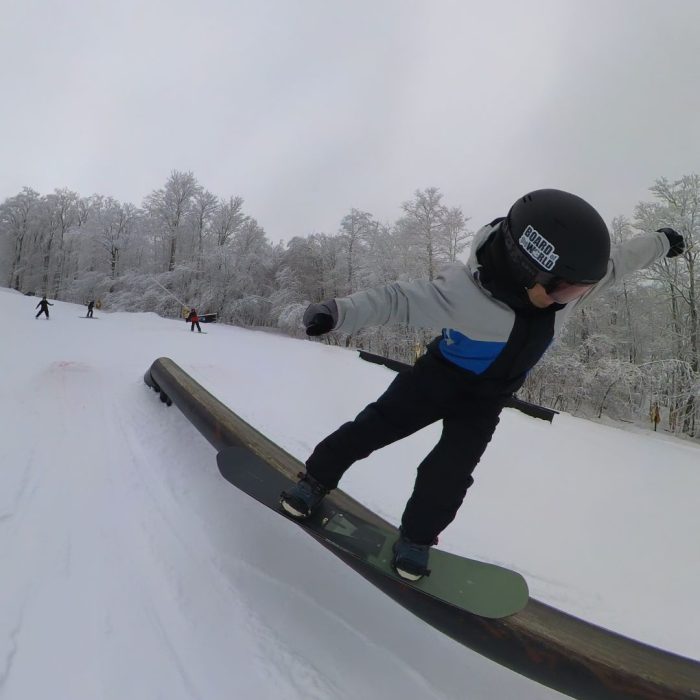
There’s one really large difference, though. A skateboard doesn’t flex like a snowboard does, so while the tricks themselves (a nose manual vs a nose press) don’t translate one to one, manualing on your skateboard gives you a better understanding of balance, weight transfer, and focus and those skills make pressing your snowboard noticeably easier.
So this summer, practice your manuals, and it’ll feel easier for you to nose or tail press to the end of the feature when you’re back on your snowboard in the winter.
By developing your balance and concentration during the off-season, you’ll have a much stronger starting point for mastering presses and butters.
Learn to Grab Your Board: Indy Grabs
Even though snowboards are longer and heavier than skateboards, getting the hang of some simpler grabs like an indy grab or weddle grab feels very similar in the air whether you’re on your skateboard or snowboard.
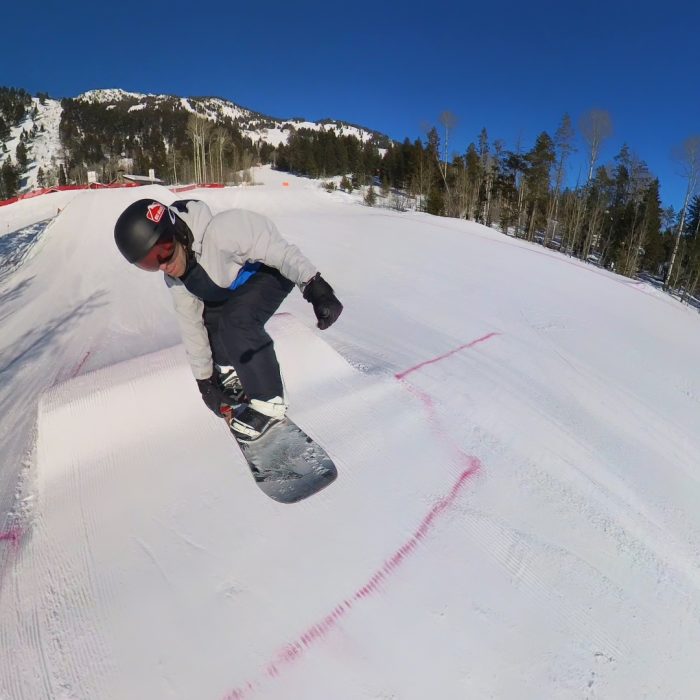
Plus, all the grab spots on the board are the same on either a snowboard or a skateboard. For example, a nose grab is on the board’s nose, and a tail grab is on the board’s tail. You get the idea.
The main difference is that it’s easier to reach your tail on a skateboard than the longer tail of a snowboard, but then again, actually getting your skateboard off the ground to do the grab can be the tougher part.
By practicing your grabs on your skateboard during the summer, you will build up the flexibility and muscle memory you need to easily do those same grabs on your snowboard in the winter.
Wrapping This Up
So don’t get too bummed that it’s getting warm out. Get your skateboard, and get to work!
By skating and focusing on tricks like slides, manuals, and grabs this summer, you’ll become a better snowboarder and be ready for when your local mountain opens up again next winter.

Steve Weber is the passionate snowboarder, skateboarder, and author behind Board of the World. He understands that most gear reviews focus on having the perfect snow conditions, but his testing methodology is different. Living in Pennsylvania, Steve describes exactly how a board performs when the conditions aren’t perfect. His reviews cover performance on ice, hardpack, and flat-out brick conditions. In other words, he reviews boards for the conditions that East Coast riders actually face.
Bringing 27 years of East Coast snowboarding and 21 years of skateboarding experience, Steve is a 42-year-old intermediate park rider. His recommendations are informed by decades of battling icy conditions, ensuring every review accounts for the board’s performance on the roughest of terrain.
For the last five years, Steve has poured his passion into writing in-depth, unbiased reviews that help riders make informed decisions about the gear they’ll use. He also works part-time at a snowboard shop in Northeastern Pennsylvania, which gives him a direct line to learning about the new gear tech months in advance. When he’s not writing reviews, Steve is often found riding at Montage Mountain and testing out new boards.
Steve’s goal with Board of the World is simple: to help every reader find the right gear so they can have fun outside from the first time they use it.