


The Impact Skateboards XPU is a new carbon fiber skate deck from Poland. The XPU deck solves the main pain point of the Santa Cruz VX, Powell Flight, and Real DBX decks: it doesn’t get razor tail.

How Much Does it Cost?
The XPU deck is available for purchase for $147.95 shipped to the USA with grip here.
My Review Summary of the Impact XPU Skate Deck
I really like this deck, and I am going to continue skating it for another month or two. Right now, I am 30 days in and true to all of its claims. It does feel very close to a traditional skate deck. It really doesn’t get razor tail. It slides well, and it’s very durable.
| Considerations | Rating Out 5 |
|---|---|
| Strength of Skate Deck | 4.7 |
| Wood Quality (Chips / Splinters / Breaks) | 4.6 |
| Pop | 4.5 |
| Shape & Feel of the Deck | 4.5 |
| Overall Quality | 4.7 |
Editor’s Rating:  4.60 out of 5 stars
What Do I Love About It?
- That it doesn’t get razor tail, that’s usually the reason I would need to get a new board, and this deck solves that.
- The slick layer. I am mostly a ledge skater, and this deck is a slick deck that allows me to slide a few extra feet without needing to go any faster. I grew to love that.
- This deck’s polyurethane perimeter prevents chipping. If your board shoots out and hits a rail, it remains exactly intact.
What Do I Dislike About It?

- The damper feel and sound of the polyurethane popping off the ground rather than wood took me some time to get used to. I’ve been skating the same material my whole life, so to change it up, took some time.
- It is still pretty expensive to ship this to us here in the USA. The Impact team has let me know that they’re working on ways to bring down the price. That said, if you order with a friend, getting two gets you free shipping and makes the cost of each deck only $113 per deck.

The Reason I Stopped Skating It
I am still skating it. At the time of writing, I am 30 days into skating the Impact XPU deck. I am still planning to get another 45 to 60 days on it, and based on its current condition, it should do that easily.
The main reason I see myself swapping this deck out for another deck is because I miss skating my normal 8.125 size. This Impact deck isn’t available in that size yet, and I’d like to get back to using my larger trucks that I have broken in the way I like them.
Would I Buy Another One?
Yes. I like it and would buy another one. My hope is by the time I would need another one, the Impact Skateboards team offers this in my 8.125″ size.

How Long Did the Impact XPU Last Me?
I am still skating it. We’re at 30 days, and it’s still practically brand new.
I estimate that I will get to 80 – 100 days on this deck.
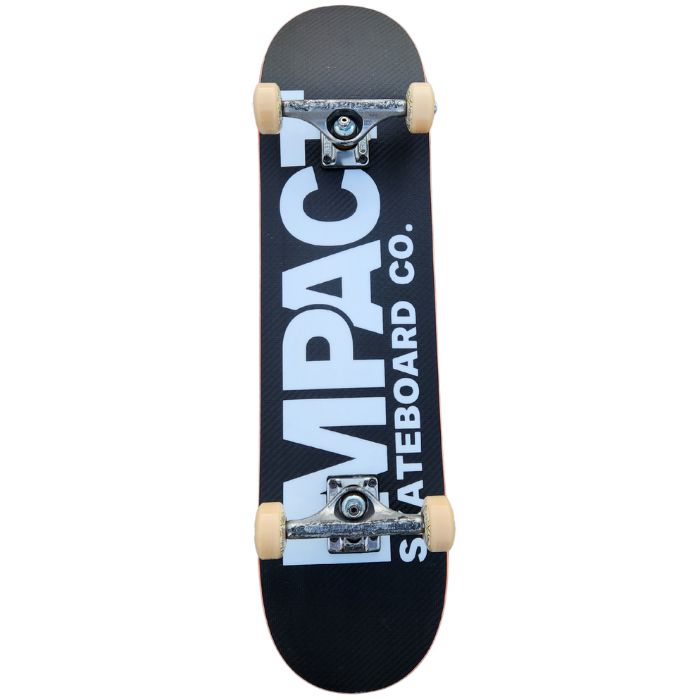
Pros:
- The longest lasting of the durable carbon decks due to it not getting razor tail as quickly and prevents chipping.
- Feels like a normal maple deck underfoot.
- It is much stronger than a normal maple deck. (Ash Wood + Poplar Wood + Carbon + Fiber Glass + Polyurethane construction)
- It slides better due to having a slick layer.
- You’ll be able to skate this 2 to 3x as long as a normal skate deck.
Cons:
- It is $60 – $70 more than a normal standard deck and $30 – $40 more than a VX deck.
Size I Skated:
8.0″ x 32.25″
Other Sizes Available
The Impact XPU Deck comes in the following widths 8.0″, 8.25″, 8.5″, 8.75″, and 9.0″
Did I Buy It or Was It Submitted?
This deck was submitted to me to review and provide feedback.
Overall, I liked it enough to review it on the site. This review is not paid for and the opinions below are my own and how this board felt under my own feet.
What Is the Impact Xpu Deck Made Out of?
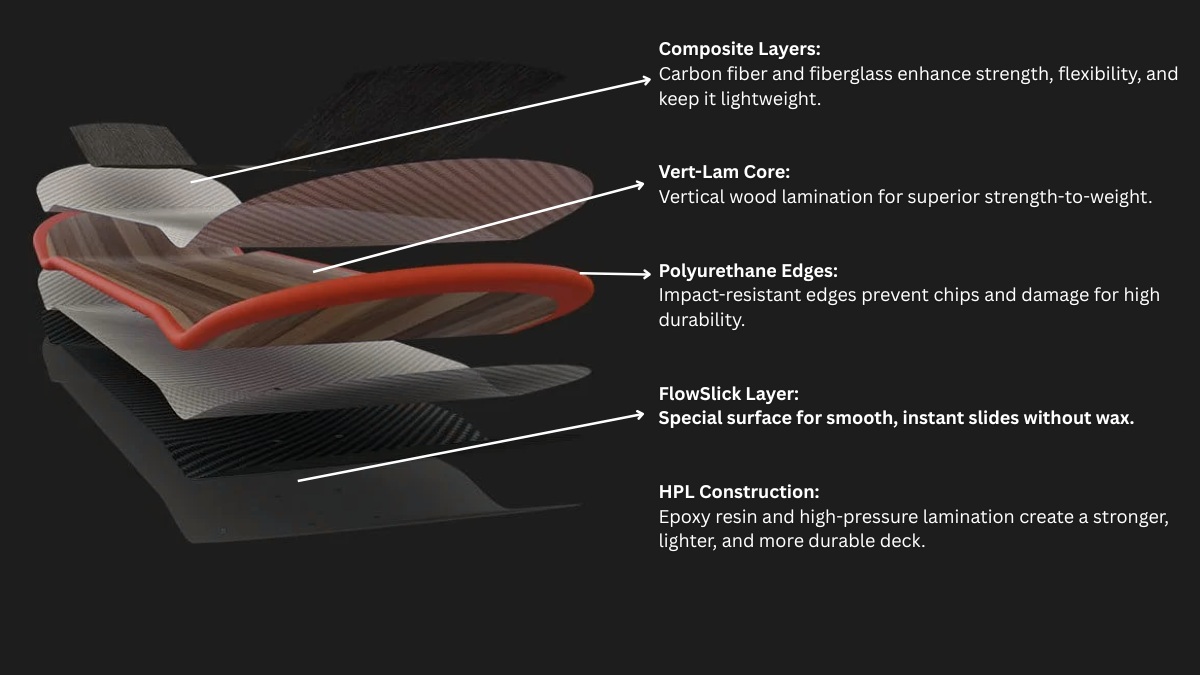
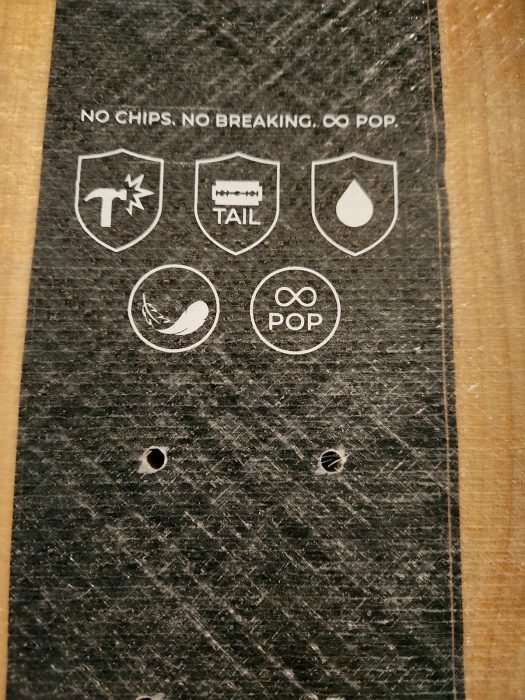
The Impact XPU deck’s construction is different from a traditional skateboard’s construction. Instead of using seven plies of maple as its core, this deck was built with a combination of ash and poplar wooden stringers that are laid vertically, polyurethane wrapped around its entire perimeter, and the core is then wrapped in carbon and fiberglass composite layers.
The Impact team then took it one step further and gave the XPU its FlowSlick layer to help the deck slide across ledges.
The end result is a deck that feels very close to a traditional skateboard deck. It is lightweight, incredibly durable, doesn’t get razor tail or chip, and you could even skate it in the rain if you wanted to, thanks to its composite layers protecting its wooden core.
How Does the Impact Skateboards XPU Deck Prevent Razor Tail?
This Impact deck’s nose and tail are wrapped in an orange polyurethane (skate wheel-like) material. As you pop, you snap this polyurethane layer off the ground rather than the maple wooden layers of your skate deck.

The repeated scraping of your tail when popping tricks causes the wooden layers of a traditional skate deck to wear down. To fix this, the Impact XPU deck has a layer of polyurethane that protects your tail as you pop.
Why polyurethane? Well, because it wears down slower than wood while still being responsive enough to pop off of.
Polyurethane is a synthetic polymer with a more durable cross-linked molecular structure when it is compared to wood. It can withstand friction and abrasions for a longer period of time, and so it works to dramatically reduce how quickly the XPU deck’s tail starts to wear down.
Does it Actually Work to Prevent Razor Tail?
Yes, very much so. So far, this deck’s tail has lasted me around significantly longer than the tails of my other decks.
So, exactly how much longer will it last you before it gets razor tail?
It will depend on the pavement you skate. If you skate rougher street spots, the XPU deck will easily last you two to three times as long as a normal skate deck before its tail starts to wear down. However, if you skate skateparks or really smooth surfaces, I’d estimate you could even extend that to as much as ten times as long.
The Impact team let me know about a lab test they conducted to help answer this: “The results showed that our polyurethane edge is over 10x more wear-resistant.” They shared this image from the test with me. It shows on the left side the razor-shape of a wooden tail versus the shape of the Impact XPU’s tail on the right and both images were taken around the same time of the test at 53 seconds into it.
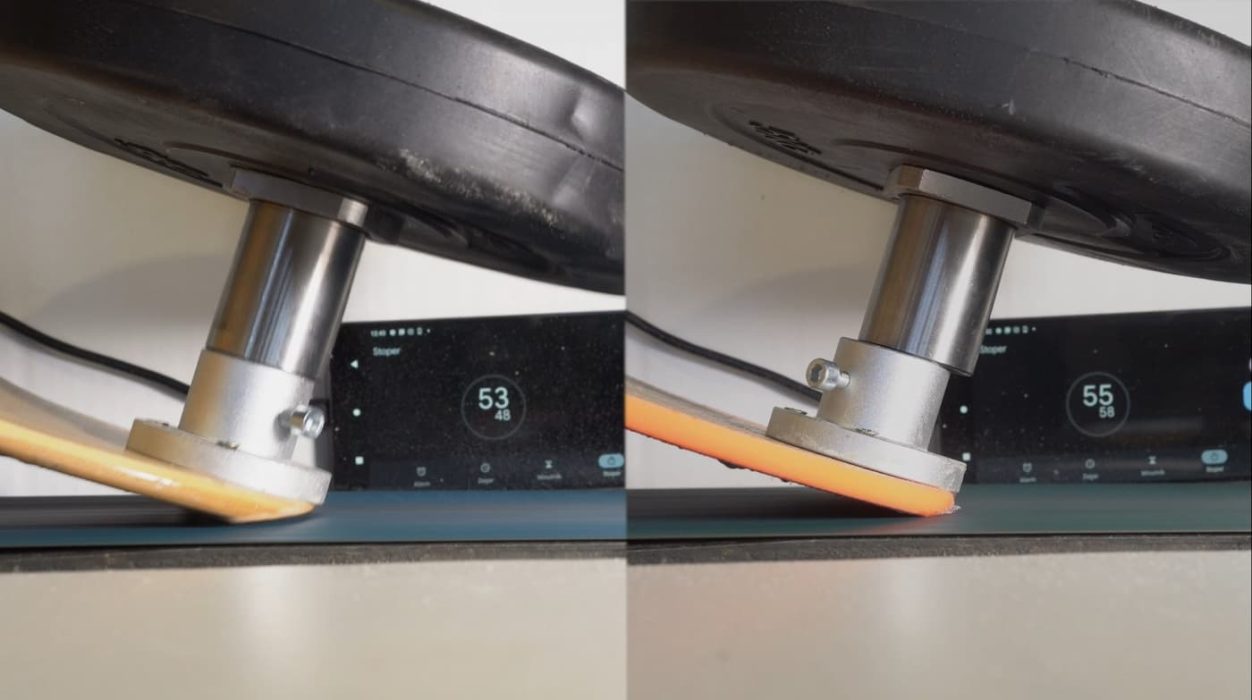
Their lab test concluded with the Impact Skateboards XPU deck lasting 705 seconds (11 minutes and 45 seconds). In other words, the XPU deck lasted 13.3 times longer (652 seconds longer) than a standard 7-ply maple deck before getting razor tail.
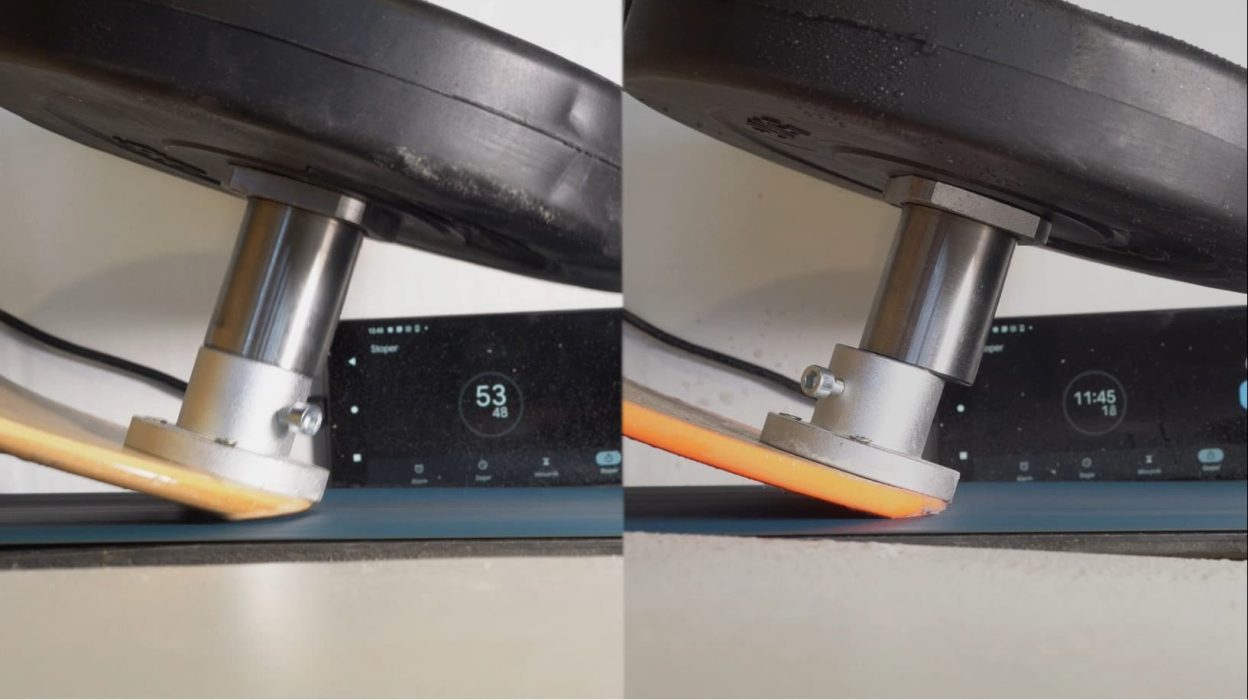
So far I’ve been seeing that test play out close to my own experience, too.
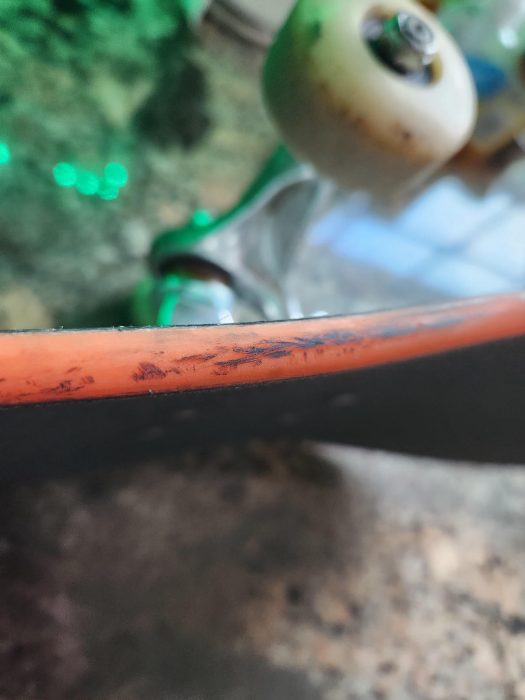
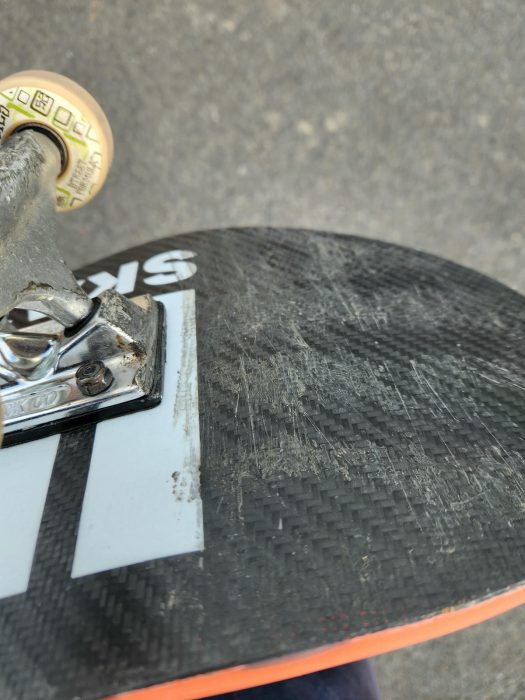
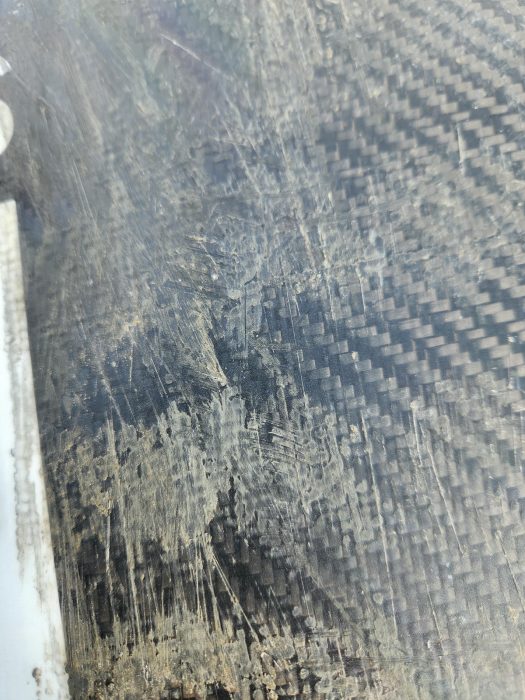
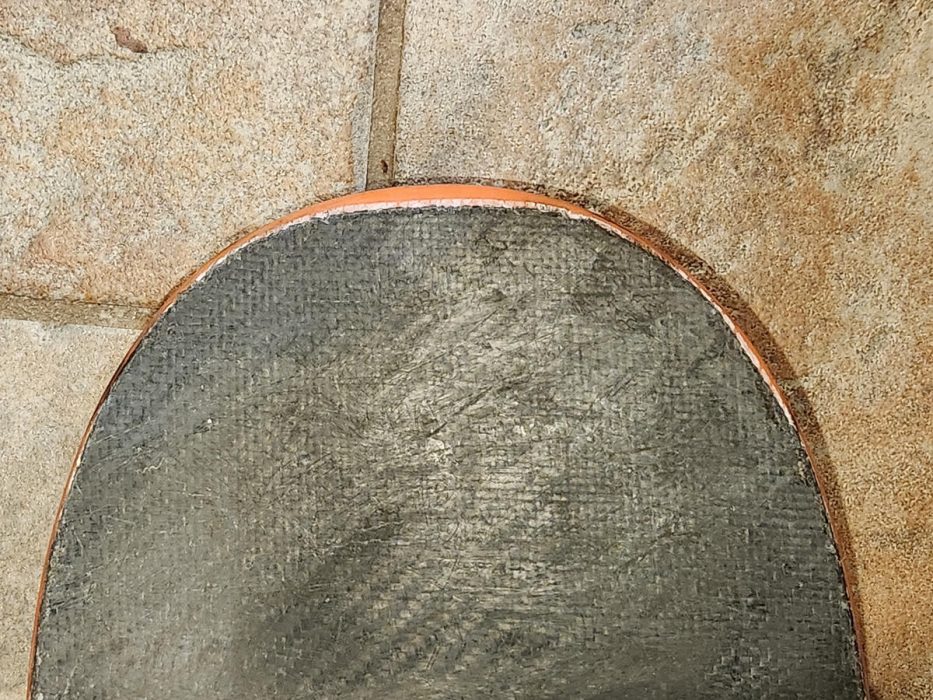
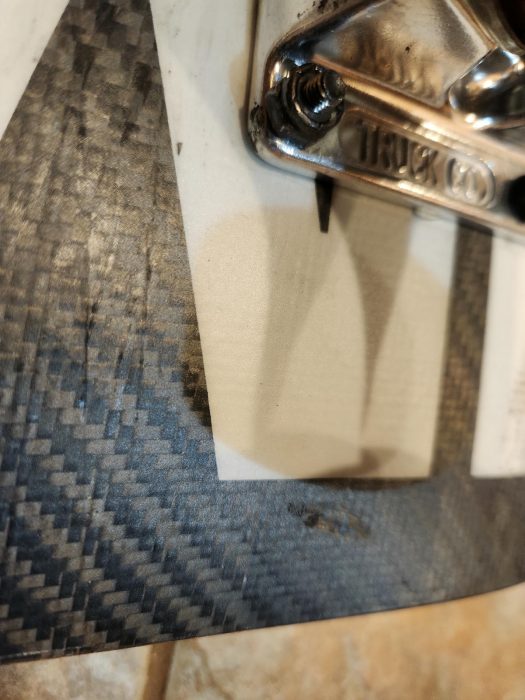
I tend to do a lot of manual and tricks where I accidentally drag my tail against the pavement. Here is what my tail looked like at one week and then again at one month into skating this deck. Both images do a good job at showing the level of wear you’ll experience with your tail.
The XPU tail’s wear at one week of skating


You can see in the second image above that it’s not that the Impact deck’s tail won’t show any form of wearing. It still does.
In the second image, you can really start to see where the FlowSlick layer has worn down over the orange polyurethane layer. However, the important part from a skate performance standpoint is that the orange layer itself has virtually no wearing, so the shape of the tail itself has remained exactly the same for the entire month that I’ve skated it.
And that’s the main highlight of this deck for me. It just doesn’t razor tail at the same rate of a traditional skate deck or the other carbon fiber skate decks.
With the tail keeping its shape longer, that’s resulted in a more consistent feeling pop over the life of the deck. This skateboard has felt the same on day one as it has at day 30.
How Does the Impact XPU Deck Feel to Skate?
After skating this for one month, I can say that the XPU deck feels very close to a traditional seven-ply skate deck. There are only a handful of differences that I’ll note here.
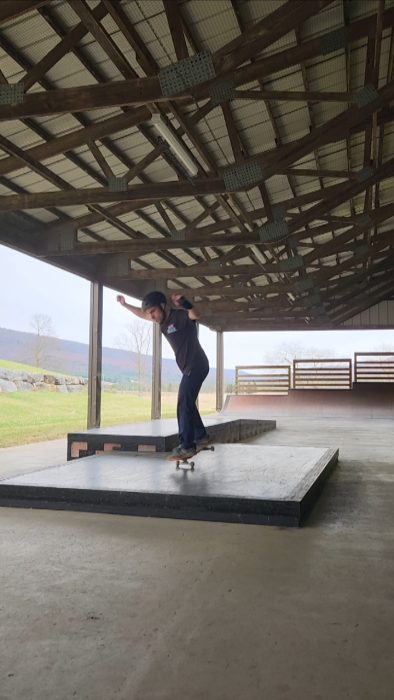
1) The XPU Deck Has a Damper Feel to It Than a Traditional Skateboard.
At first, I couldn’t tell any difference between my XPU deck and the Girl 7-ply deck that I was riding before it. To my feet, it felt just like a normal skate deck. However, after a few days, I started to notice the a subtle difference of it feeling slightly damper (it absorbs vibrations better) than a traditional maple skateboard deck.
I noticed it more so on rougher pavement, and if I had to guess why, it’s likely because of these two reasons.
- The ash and poplar core have a different level of impact absorption than maple. Their lower density and less compact structure allow for more internal energy dissipation as they vibrate.
- The polyurethane that lines the perimeter of the deck also acts as a dampening agent. This is because polyurethane has a pliable nature (it’s a rubber-like material) that helps to dissipate vibrations that would normally be transferred to the wooden core and felt in your feet as you skate.
So, with that in mind, Impact skateboards technically absorb impacts better than a traditional skateboard deck.
The Good & Bad of Having a Skateboard That Absorbs Impacts and Vibration Better Than a Traditional Deck
The deck’s added dampening and impact absorption will be a selling feature for skaters (like me) with knee issues or anyone who skates stair sets or takes large impacts. However, for anyone who needs a lot of boardfeel as they skate, the Impact XPU deck might take a few extra days to get used to.
2) The Sound as You Pop Is Different Than a Traditional Deck.
It’s worth noting that the polyurethane changes the actual sound you hear as your deck pops off the ground compared to a maple deck. After a few days you’ll get used to it, but I mention it because it might mess a few of you up.
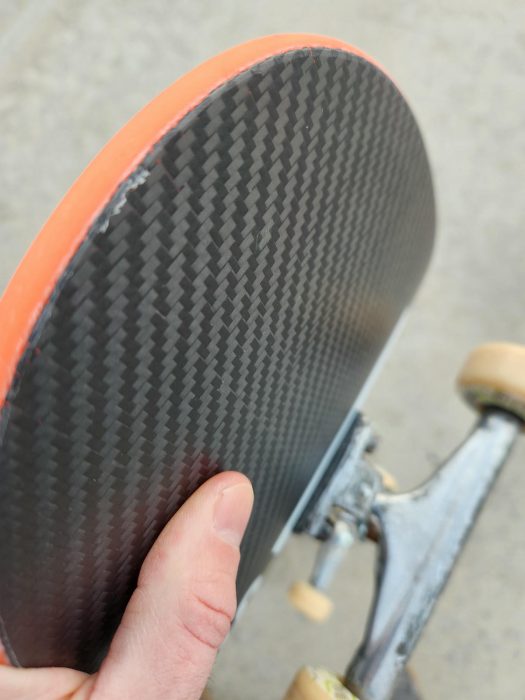
3) The Actual Level of Pop is the Same as What You Get From a Traditional Skate Deck
It feels like it has the same level of pop as a traditional skateboard deck. It just sounds different as it pops. It doesn’t feel overly soggy or washed out. It has a snappy, responsive feel overall. It just sounds a little different while it’s popping. If you’re a skater that notices the sound, it will take you a few days to get used to it.
4) The Slick Layer Works Exceptionally Well
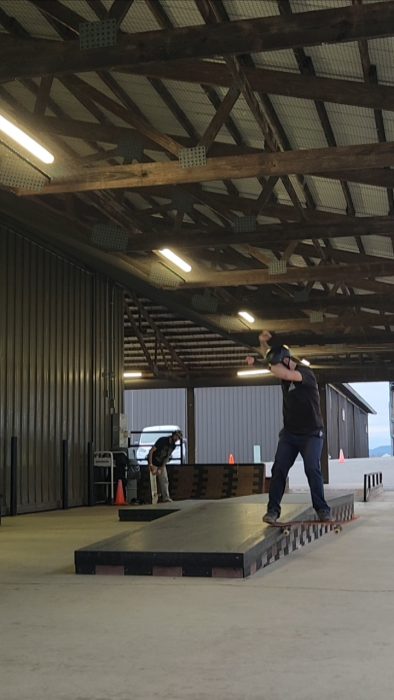
The last detail to note is that the FlowSlick layer really works well for ledge skating. The layer of the deck that slides against ledges and rails is designed to be both durable and slippery, so you won’t need to wax your deck (as much) as you skate.
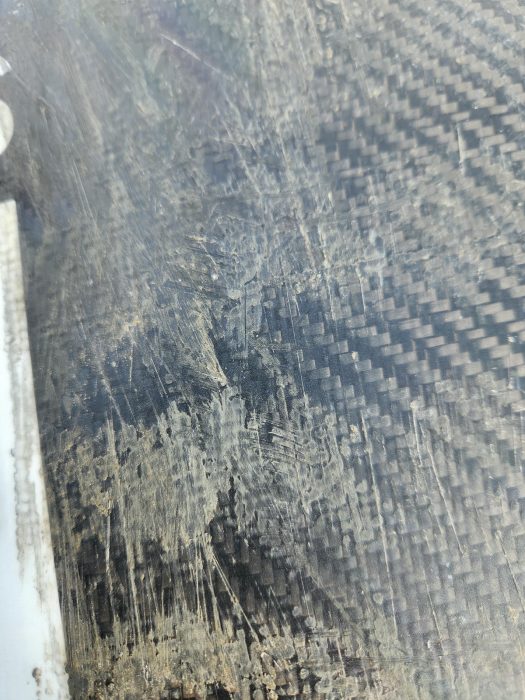
I’ve skated slick decks in the past and it works just like any other slick deck. I haven’t worn through any of the slick layer yet at the one month mark, and the fact that this deck slides so well is my second favorite feature about it.
Impact XPU Deck Vs the Santa Cruz VX Deck vs the Powell Flight Deck
While the Impact deck was designed to feel like a traditional 7-ply skateboard deck, it’s also comparable from a durability standpoint to both the Santa Cruz VX and Powell Flight Deck, so here are a few differences with the XPU deck to both of those.
1) Impact XPU Doesn’t Get Razor Tail (And The Others Get Razor Tail Pretty Fast)
One of the first things you’ll notice about the Santa Cruz VX and Powell Flight decks are that their tails start to wear down quickly.
The VX and Flight Decks Get Razor Tail Quicker Than a Traditional Deck
The thinner 5-ply design of Santa Cruz VX and Powell Flight decks, ironically leads to these boards getting razor tail faster than usual despite the fact that they are built to be incredibly durable.

While both the VX and Flight decks are built to last longer before breaking from impacts, their thinner tails wear down quicker than a (thicker) traditional 7-ply deck. That’s actually the reason most skaters would need to replace a VX or Flight deck. It’s not because they break in half. It’s because the shape of their tail makes their pop feel inconsistent once they wear down.
This is where the Impact XPU deck has a real advantage. The polyurethane-lined nose and tail in the Impact XPU deck dramatically slow down the razor tail process. So you get a durable carbon fiber-like deck that has a tail that won’t wear down as quickly as the VX or Flight Decks (or any other skate deck where a wood layer comes in contact with the ground as you pop).
2) The VX and Flight Deck Felt Like They Offered 10% More Pop (But It Eventually Felt Inconsistent and Impact’s Hasn’t Lost Any Pop)
While it’s all preference, for me, I found there is a hair more pop in the VX or Flight deck when its compared to the Impact XPU deck.
How much exactly?
I estimate the difference to be around 10% more energy going into the pop of the VX or Flight decks, but the XPU does still offers a little more pop than what you would get out of a traditional 7-ply skate deck (around 5%).

This next difference I think really contributes to that.
3) The Impact XPU is Not As Stiff As a VX or Flight Deck but Stiffer Than a Traditional Maple Deck
Where the Impact deck feels noticeably different from a VX or Flight deck is its overall stiffness, or rigidity, of the deck itself and how it feels underfoot.
Under my feet, I tend to notice how stiff a VX or Flight deck feels while I skate it.
I actually grew to enjoy that stiff feeling as it helped me pop my tricks higher than I can with a traditional maple deck.
- The Impact XPU deck’s flex pattern feels a bit softer (by around 10%) than a VX or Flight deck.
- The feel of the flex of the XPU deck is closer to a traditional deck but somewhere in the middle of a VX and normal deck. I’d estimate it’s about 10% stiffer than a traditional deck but still 10% softer than a VX or Flight.
The Impact deck still has a slight amount of give when you stand on it and try to pop it. However, I wouldn’t call it overly bouncy or flexible by any means. It feels just a touch softer than a VX or Flight deck and slightly harder than a standard maple deck.
So why does the Impact deck feel softer when it also features composite carbon and fiberglass layers?
Given that all three decks use two layers of carbon and fiberglass to reinforce them, I was surprised they didn’t all feel the same. My guess is that it comes down to the construction of the wooden cores that are sandwiched between the carbon and fiberglass layers of the XPU deck and the direction the wood is laid. The VX and Flight have their maple layers interwoven (criss corssed).
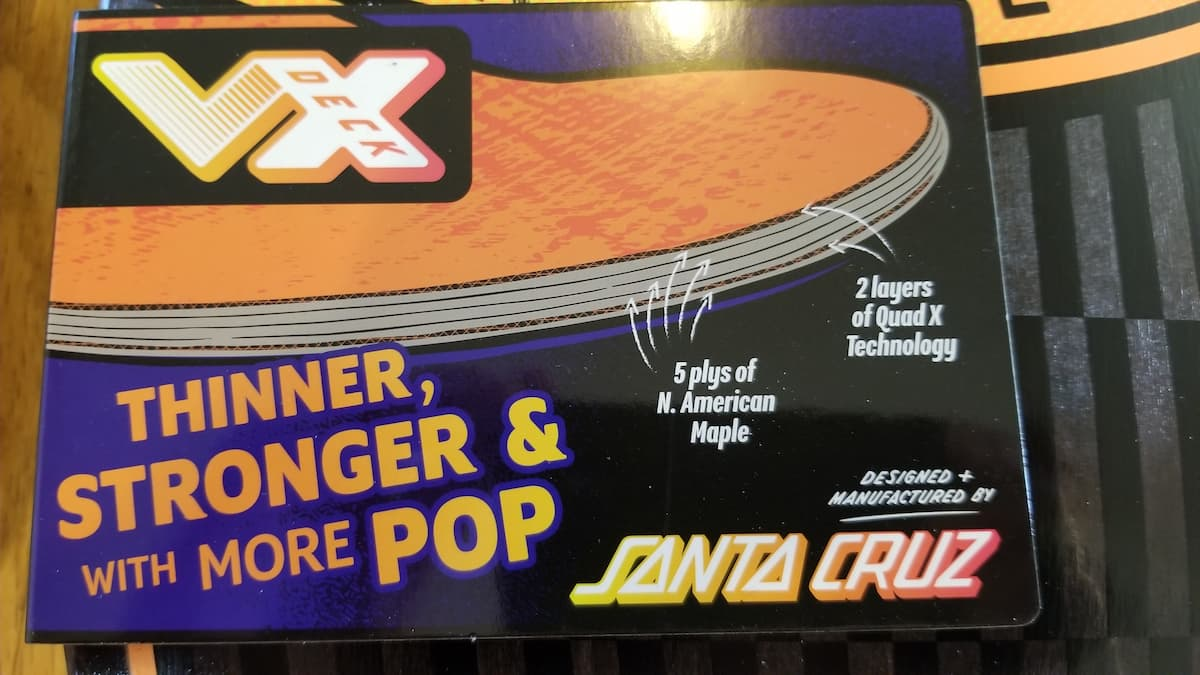
However, the XPU deck has its Ash and Poplar core laying vertically. It’s important to note this because the XPU’s wood core was specifically designed to have some flex to it, to help if feel closer to a traditional skate deck (which has some natural flex to it).
Ultimately, the carbon layers make all of three of these decks equally as durable, but the direction of the wooden layers make the VX and Flight Deck feel a little stiffer than the XPU deck, and that translates to how these decks feel different under your feet.
So, Is the Impact XPU Worth Getting Over a Santa Cruz VX or Powell Flight Deck?
It comes down to preference for how stiff you like your board to feel and how quickly you tend to get razor tail.
If you want a durable board that feels similar to a normal 7-ply skateboard deck and doesn’t get razor tail, then you’ll love the XPU deck more than the VX or Flight decks.
Which Do I Prefer?
Initially, I preferred the stiffer feel, pop, and mid concave shape of the Santa Cruz VX deck. However, with how quickly they get razor tail and their expensive $93 price tag, I am beginning to think they offer less value for my skating in the long run. I am just going through them too quickly to justify the cost.
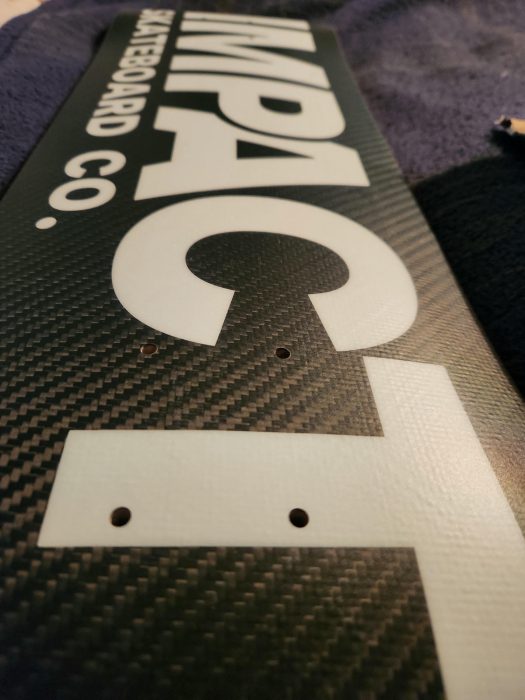
The Impact XPU deck doesn’t have the same razor tail issues as the VX deck. It’s equally as strong, and it slides better, which makes it the better choice in the long run for me.
Ultimately, it comes down to your preference to figure out which of these decks will work best for you, but the consistency of the Impact XPU’s pop, its slick layer, and the fact that it will last you a few weeks longer than the others make this deck worth trying out.
Where To Buy an Impact XPU Deck
You can buy an Impact XPU deck right from the Impact Skateboards website here.
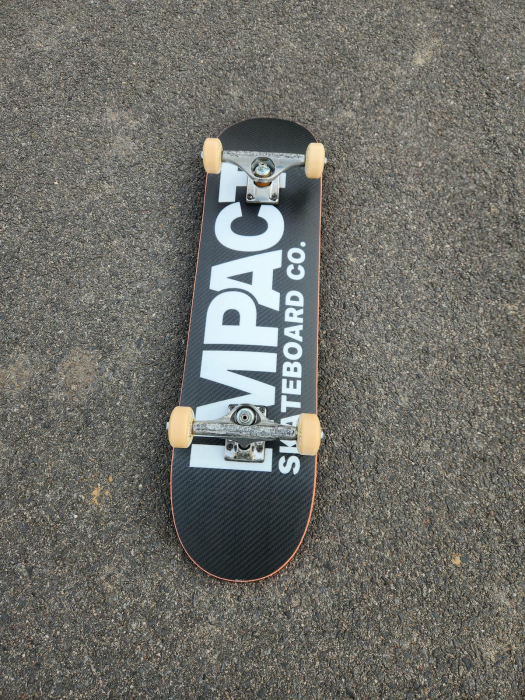
Image Gallery From the Review


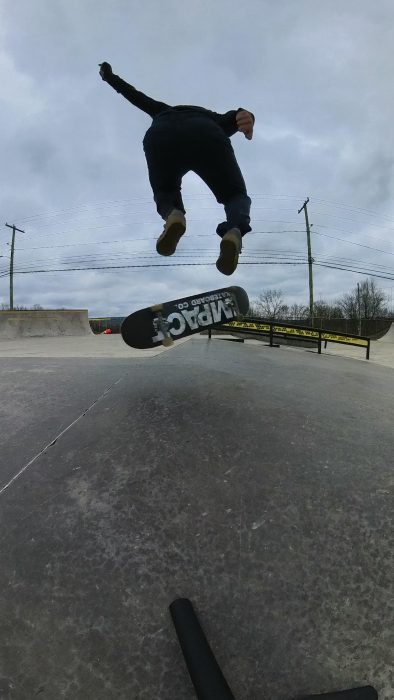

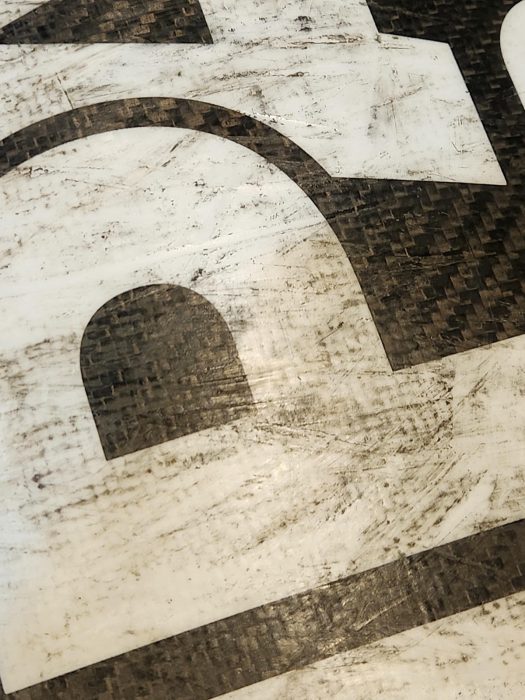
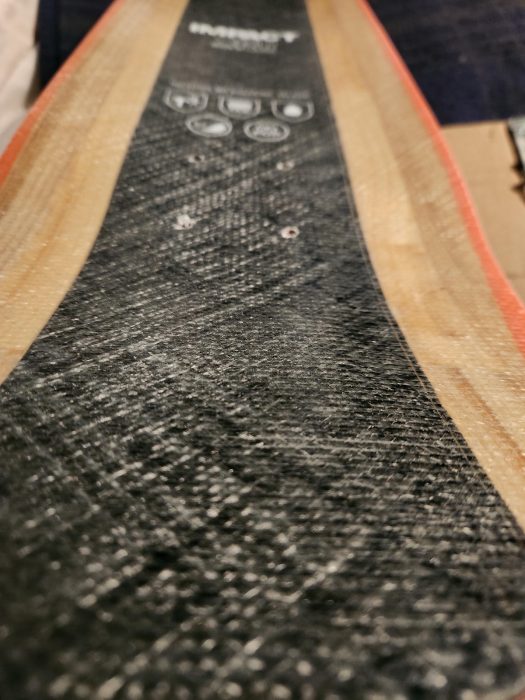
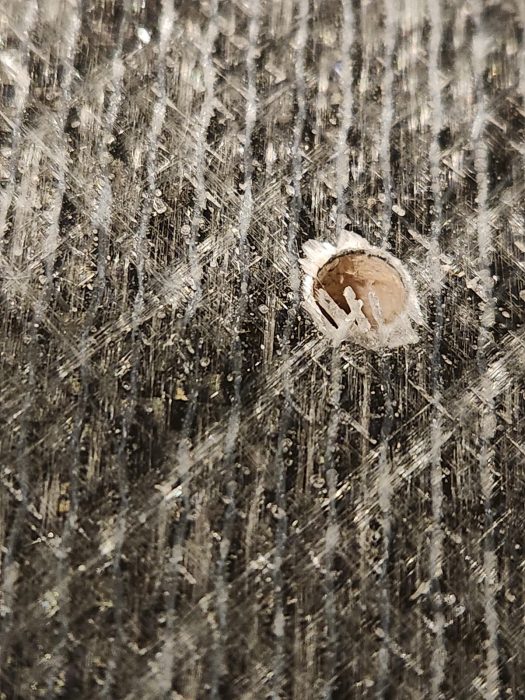


Steve Weber is the passionate snowboarder, skateboarder, and author behind Board of the World. He understands that most gear reviews focus on having the perfect snow conditions, but his testing methodology is different. Living in Pennsylvania, Steve describes exactly how a board performs when the conditions aren’t perfect. His reviews cover performance on ice, hardpack, and flat-out brick conditions. In other words, he reviews boards for the conditions that East Coast riders actually face.
Bringing 27 years of East Coast snowboarding and 21 years of skateboarding experience, Steve is a 42-year-old intermediate park rider. His recommendations are informed by decades of battling icy conditions, ensuring every review accounts for the board’s performance on the roughest of terrain.
For the last five years, Steve has poured his passion into writing in-depth, unbiased reviews that help riders make informed decisions about the gear they’ll use. He also works part-time at a snowboard shop in Northeastern Pennsylvania, which gives him a direct line to learning about the new gear tech months in advance. When he’s not writing reviews, Steve is often found riding at Montage Mountain and testing out new boards.
Steve’s goal with Board of the World is simple: to help every reader find the right gear so they can have fun outside from the first time they use it.