


The Salomon Huck Knife is an award-winning freestyle twin snowboard that was originally introduced to the Salomon Snowboards lineup back in 2017. Since then, the board has undergone several upgrades, making it the powerhouse of an all-mountain freestyle board that it is today.
This snowboard is for the park rider who wants a board that can jib and jump well while still having enough response and stability to cruise all over the resort, too.
My Honest Opinion About This Board
This board is exceptional in the park. However, it’s pretty average for carving outside of the park.

I recommend considering the Huck Knife as a park board rather than an all-mountain freestyle board.
- If you’re looking for a board to jib and jump, then definitely add this one to your “I need to try this list.”
- If you’re here because you’re looking for a responsive all-mountain carver or cruiser board, I would recommend checking out another option or considering the Huck Knife Pro.
What to Know About This Board
This is an in-depth review that covers a lot of different sections. To make learning if this board is right for you easier, please use the drop-down menu above to navigate right to the parts that matter most to your riding style.
Summary of the Salomon Huck Knife

The Salomon Huck Knife is a versatile all-mountain freestyle board that can handle every type of riding, but excels more so in the park.
This board strikes the perfect balance between stability, snappiness, and playfulness. Its carbon fiber construction and exaggerated camber profile make it excellent for launching off jumps, while its soft to medium flex allows for effortless nose presses and butters.
All in all, it’s a beast of a park board that’s also capable of ripping the whole mountain when you need it to.
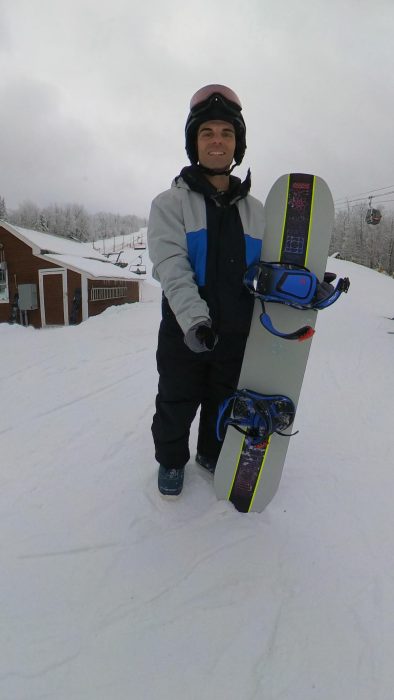
Board Reviewed: 153 Salomon Huck Knife 2025
Price of Board: $579.95
How the Price Compares to Others:
The Salomon Huck Knife costs $52.62 more than the average snowboard price of $527.33.
Our Rating Score: 4.25 out of 5
How the Salomon Huck Knife Ranks Against Others:
The Salomon Huck Knife ranks 19th out of the 34 boards we reviewed in the all mountain category.
The Salomon Huck Knife ranks 22nd out of the 26 boards we reviewed in the all mountain category.
The Salomon Huck Knife ranks 20th out of the 31 boards we reviewed in the park category.
Info About the Camber Profile
The Huck Knife features Salomon’s Quad Camber Profile.
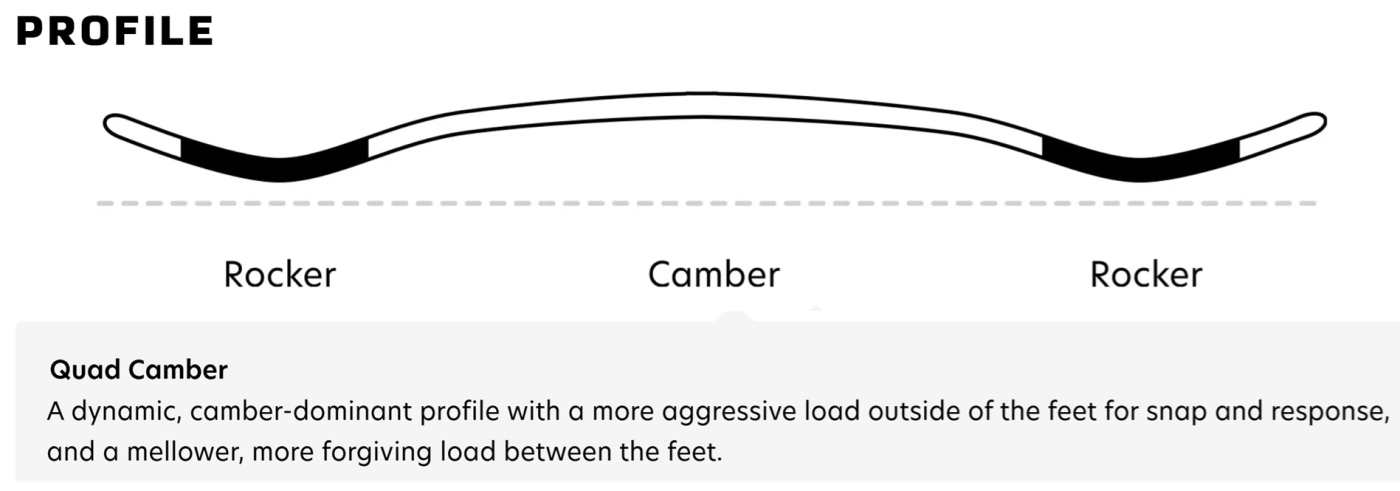
The Quad Camber features a generous amount of camber between your feet with rocker sections at the contact points in the nose and tail. It offers a great balance of camber’s power with a more forgiving rocker feel.
Salomon Huck Knife Sizes Available
The Huck Knife is available in 149,153,156, 156 Wide, 159,159 Wide, and 162cm.
For this review, I rode the 2025 Salomon Huck Knife in the 153cm size.
Actual Feel of the Flex Rating
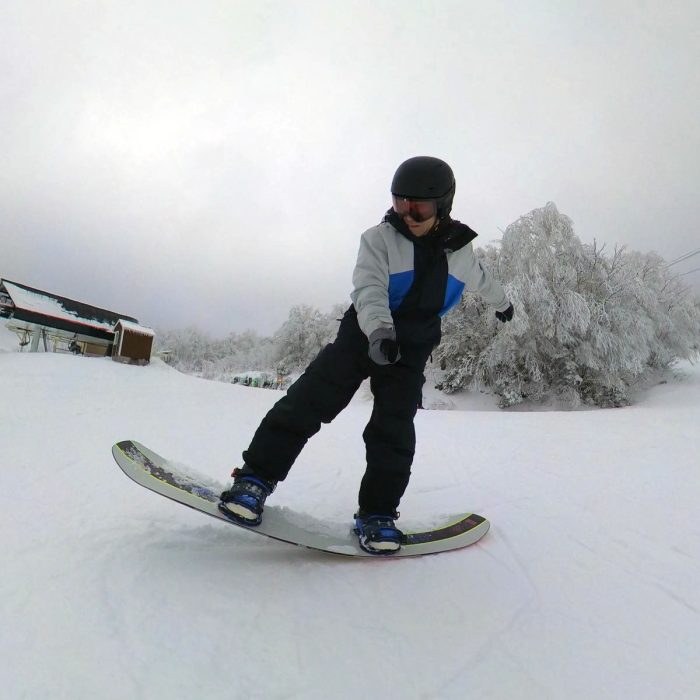
I’d say the flex felt like a 4.5 / 10 to me. It was interesting because there is a generous amount of camber in this board, and it still just locks into a nose press perfectly.
Our Rating of the Salomon Huck Knife
I believe a review needs to be more than just a personal opinion. That’s why I put every board through a consistent on-snow testing process to get real, measurable data on its performance.
For the Salomon Huck Knife, I’m using my All-Mountain Freestyle scoring system, which prioritizes a blend of carving, versatility, and park performance. The ‘Weight’ column below shows you exactly how much each characteristic contributes to the final score.
| Considerations | Rating Out 5 | Score Out of 100 | Weight / Importance to Score |
|---|---|---|---|
| Pop / Power | 4.50 | 90 | 10 |
| Carving / Turns | 3.75 | 75 | 10 |
| Speed | 4.00 | 80 | 10 |
| Ice / Poor Conditions | 4.25 | 85 | 10 |
| Switch | 5.00 | 100 | 10 |
| Jumps | 4.50 | 90 | 10 |
| Dampness | 3.50 | 70 | 10 |
| Fun to ride | 5.00 | 100 | 10 |
| Resort Riding / Versatility | 3.75 | 75 | 5 |
| Responsiveness | 3.88 | 77.5 | 5 |
| Jibs | 4.75 | 95 | 5 |
| Powder | 3.50 | 70 | 3 |
| Buttering | 4.25 | 85 | 2 |
| Weighted Score | 4.25875 | 85.175 | 100 |
Our Rating:  85.175 out of a possible 100 or 4.25 out of a possible 5 review score for the Salomon Huck Knife 2025 Snowboard.
Its Park Rating
I’d consider this board as more of a park board. When I rate it on my park scale, it gets a bit of a better score at 4.32 out of 5 or 86.475 out of 100.
See Park Rating
| Considerations | Rating Out 5 | Score Out of 100 | Weight / Importance to Score |
|---|---|---|---|
| Resort Riding / Versatility | 3.75 | 75 | 5 |
| Pop / Power | 4.50 | 90 | 10 |
| Powder | 3.50 | 70 | 3 |
| Carving / Turns | 3.75 | 75 | 5 |
| Responsiveness | 3.88 | 77.5 | 5 |
| Speed | 4.00 | 80 | 10 |
| Ice / Poor Conditions | 4.25 | 85 | 5 |
| Switch | 5.00 | 100 | 10 |
| Jibs | 4.75 | 95 | 15 |
| Jumps | 4.50 | 90 | 15 |
| Dampness | 3.50 | 70 | 5 |
| Buttering | 4.25 | 85 | 10 |
| Fun to ride | 5.00 | 100 | 2 |
| Weighted Score | 4.32375 | 86.475 | 100 |
Who is the Salomon Huck Knife the Right Board For?
This board is for the intermediate park rider who wants a twin-shaped all-mountain freestyle board that offers excellent pop and stability for hitting jumps of any size while still being exceptional for pressing into jibs. (I’d even say this board jibs better than its jump performance.)
The rider who chooses this board will love it because of its durable, reliable nature, its versatility, and its ability to rip all types of features in the park.
What else should the ideal rider know?
This board is also a great alternative for riders interested in the Capita DOA. If you like the idea of the DOA but are more interested in a softer, more playful version, then the Salomon Huck Knife is for you.
Video Summary
Here’s a short video summary that shows me riding the Huck Knife while I explain the board’s main features.
@boardoftheworld Review: Salomon Huck Knife 2025 Snowboard This board has a very pressable flex with enough carbon to give it a springboard-like pop. It is a very strong alternative to the Capita DOA. Riders who want a softer, more jib-friendly board will prefer this one. Check link in bio for the full review and specs to see if this board is right for you.
Pros of the Salomon Huck Knife
- It is a well rounded all-mountain board that really shines with its performance in the park for both jibbing and jumping.
- Its quad camber profile makes it easy to ride. It’s an excellent entry into camber boards if you’re coming from a rocker or flat profile.
- It’s durable.
- Its base offers a noticeably fast glide.
- It’s $20 cheaper than some really similar boards.
Cons of the Salomon Huck Knife
- Other very similar boards are available, and if you’re more into jibbing or jumping, the other boards might be the better option.
- The nose can feel chattery in really choppy terrain.
- Will have too much camber for some
- Not the best in powder.

How the Salomon Huck Knife Compares to Other Boards
The two boards feel very similar to the Salomon Huck Knife. The Yes Jackpot and the Capita DOA. Here is how the Salomon Huck Knife compares to both of them.
Salomon Huck Knife vs the Yes Jackpot
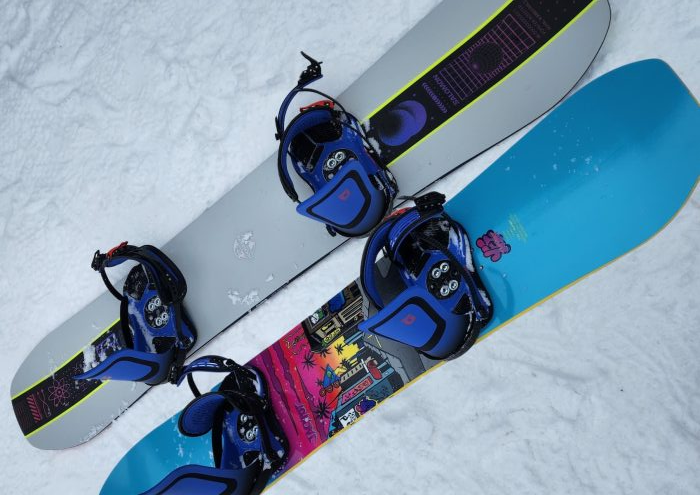
The Salomon Huck Knife ($529.95) feels noticeably similar underfoot to the Yes Jackpot ($549.95). The main difference with the Jackpot is that it has a slightly better level of edge hold on ice, so it’s what I recommend for us riders here on the East Coast, while the Salomon Huck Knife has carbon in it for a bit more response. The Huck Knife’s base also felt a little faster to me.
- Both boards feel very similar, but the Huck Knife is $20 cheaper.
- They share the same stiffness, level of pop, and profile. Both boards have camber profiles that offer a consistent feel underfoot in various conditions.
- The Salomon Huck Knife’s base feels faster than the Yes Jackpot.
- The Yes Jackpot has Yes’ Midbite technology (the section between your feet is indented further), which offers extra grip for riding on ice and makes the board easier to balance on for jibbing.
In other words, the large differences are the bases, the outline of the board between your bindings, and the use of carbon stringers in the Huck Knife.
Salomon Huck Knife Vs. Capita DOA
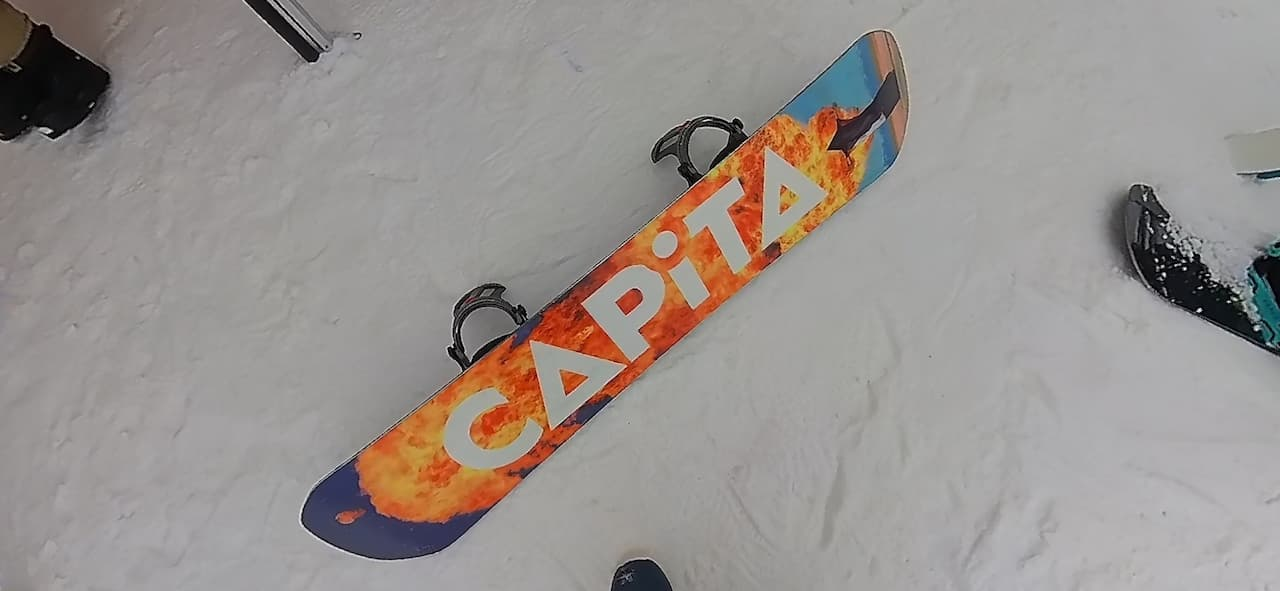
The Salomon Huck Knife and Capita DOA are very similar boards that cater to everything an all-mountain freestyle rider needs.
They Have Similar Profiles
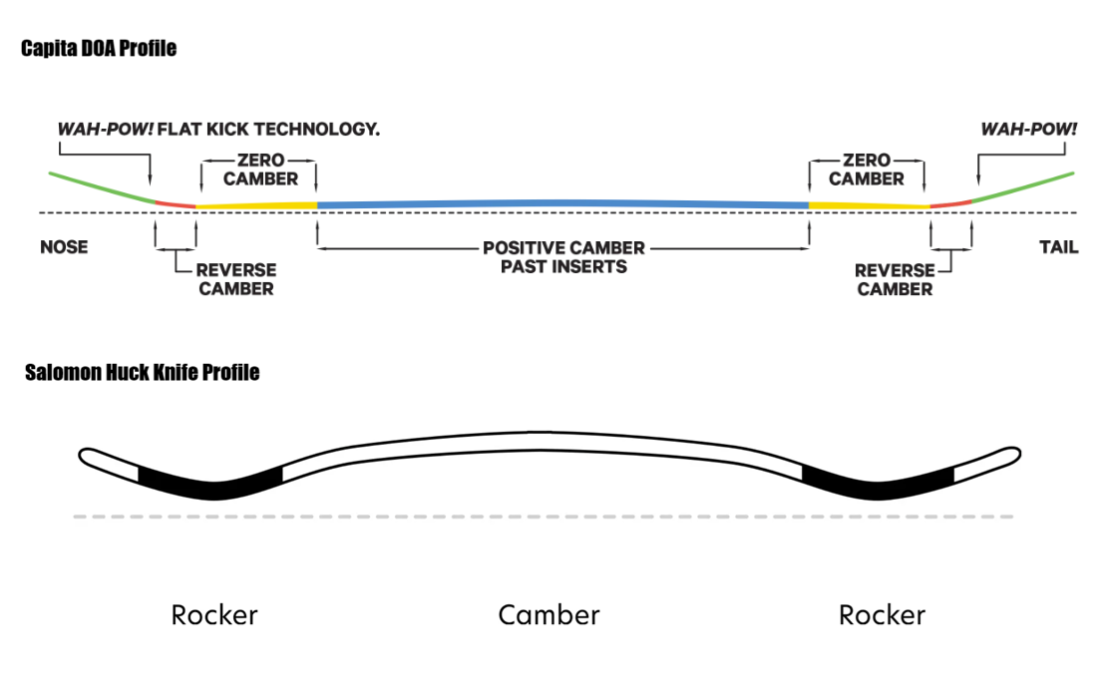
Both boards offer a similar hybrid shape where they’re camber between your feet with flat to rocket sections in their noses. The similar profiles make for two boards that offer similar performance in the park and carving outside of the park.
The Key Differences Between the Huck Knife and DOA
However, there are a few key differences to know about that will help you decide which one is the better option for you. .
1) The Huck Knife is $20 cheaper.
2) The Huck Knife is better for Jibbing than the DOA
It’s important to know that the Salomon Huck Knife is a little softer than the DOA. The Huck Knife is a hair more flexible right out of the wrapper when it’s brand new.
I’d rate the Huck Knife’s flex at a 4.5 out of 10, while the DOA is closer to a 5.5 (almost a 6). So, if you enjoy doing presses and more technical rail tricks, you’ll have an easier time on the Huck Knife.
The softer feeling of the Huck Knife is really felt in its nose and tail. The board feels softer in the tips than the center.

2) There is slightly more pop in the DOA.
Both the Huck Knife and DOA both have traditional camber sections between your feet, and carbon stringers built into their construction. The similar profiles and construction make for a similar feeling level of pop that feels almost springboard-like.
With the DOA being a hair stiffer, I’d rate the DOA’s pop as being maybe one notch greater than the Huck Knife’s. Both boards offer a massive amount of pop. However, I prefer the little extra boost I get from the DOA for launching off jumps.
3) The DOA felt like the more responsive board for carving.
With the DOA being a little stiffer, it felt like the more responsive carver. I was able to ride it a little more aggressively than the Huck Knife.
4) The Huck Knife isn’t quite as popular, so while you might have a friend who gets the new DOA, there’s less of a chance that friend already has the new Huck Knife.
5) The Huck Knife is the more durable board.
While both boards have been incredibly durable for me, I have heard a few stories of DOAs breaking over the last season. In each case, it sounded like the rider was being far more aggressive in the park than 99% of us would be. However, I mention it because I haven’t heard of the Huck Knife breaking when it’s ridden aggressively in the park.
In either case, both manufacturers offer a two-year warranty should anything unusual occur.
When to Consider Getting The Salomon Huck Knife Pro vs the Regular Version
One important note is that the Salomon Huck Knife is also available in a premium upgraded version called the Salomon Huck Knife Pro. The upgrade features more premium materials built into the core to make it more responsive, more carbon to make it snappier, and an upgraded base to make it faster.
So why get the Pro over the regular version?
If you like the idea of the Huck Knife but want to take the aggressive riding up several notches, it’s an option for you. Just know it is a very different feeling ride than the regular Salomon Huck Knife.
Categorical Performance Notes for the Salomon Huck Knife
How is It for All-Mountain Riding

For all-mountain riding, this board did all right. I’d say it’s versatile enough as an all-mountain board to get by, but it’s more for the type of all-mountain rider who spends the majority of their time in the park.
So if you are in the park more than 60% of the time, this will be a versatile enough board for you, but if you spend more time outside of the park than in it, there are other all-mountain boards you will enjoy a little more so.
Why? Well, because it feels stable and carves well enough in all types of terrain, but it does have its limits when it comes to the nose and tail chattering. The freerider who wants to carve aggressively most of the time won’t find this stable enough, but the jumper and jibber will.
Jumping Performance
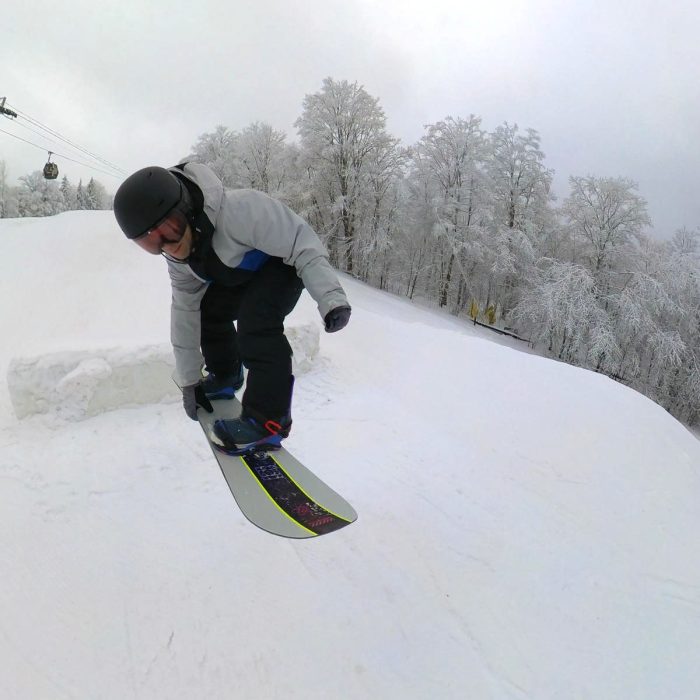
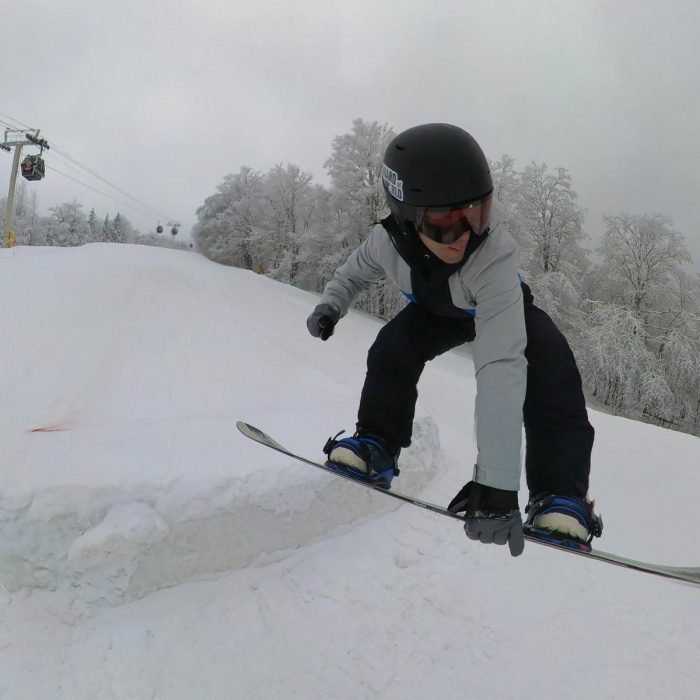
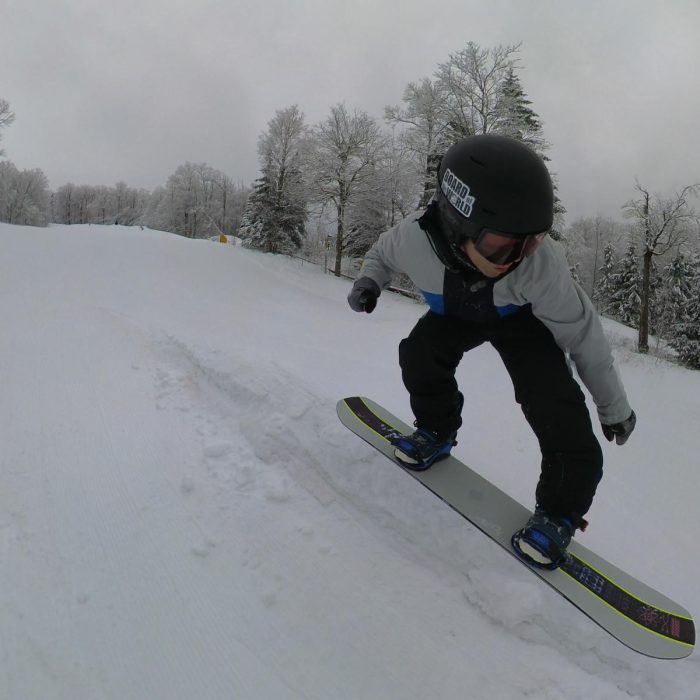
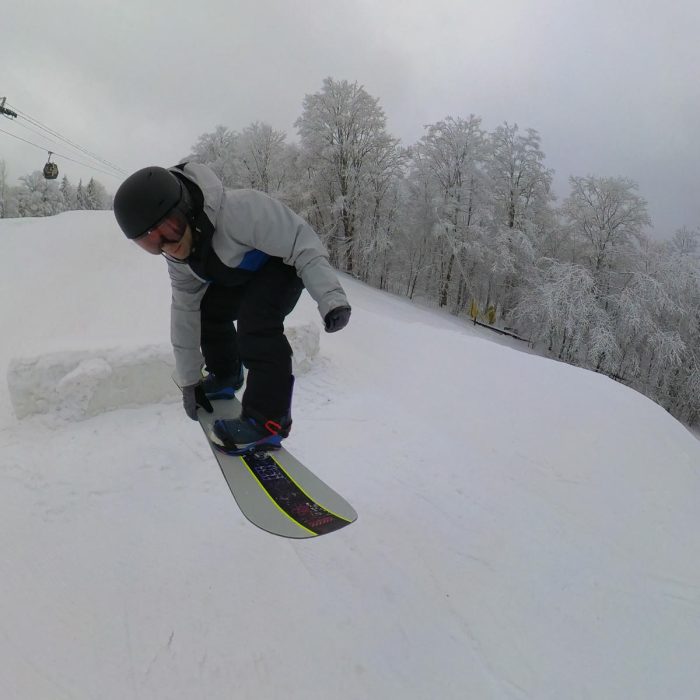
This is where the board shined for me. It has that familiar feel and predictable pop off jumps that you’ll be in the air comfortably from your first run with it.
RE: The Pop In This Snowboard
I found this board gave me a noticeable extra boost of pop off jumps. It offers a springy feel to it that works well to get you in the air.
I didn’t need to load up its pop or try to time it right. It just gave me a bit more of a boost than I put into it, and that’s exactly what I loved about it.
Jibbing Performance
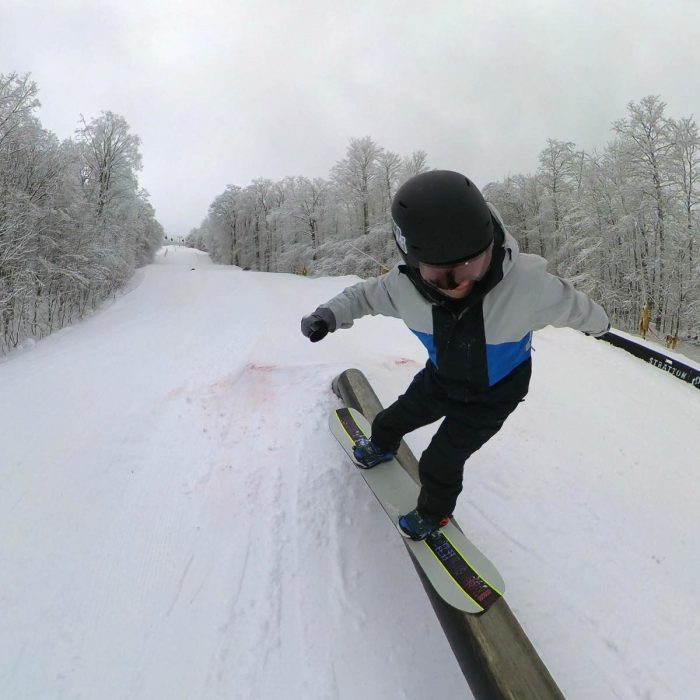
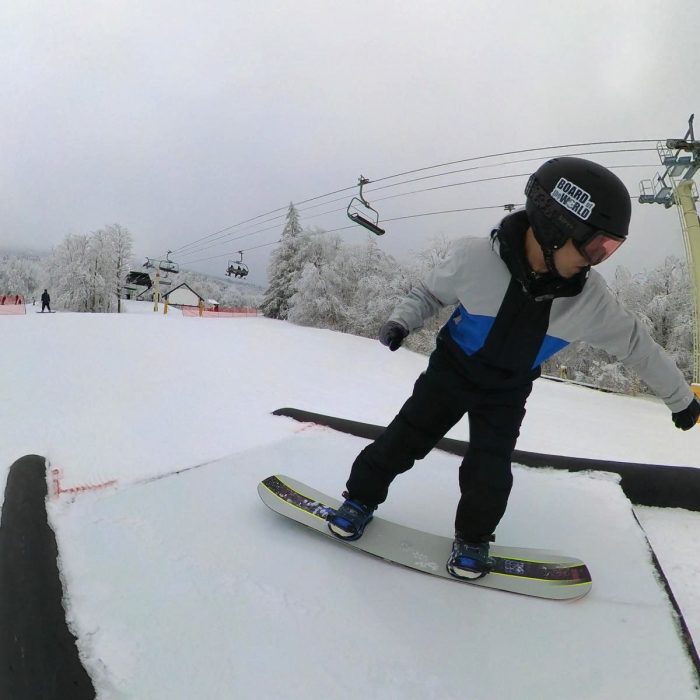
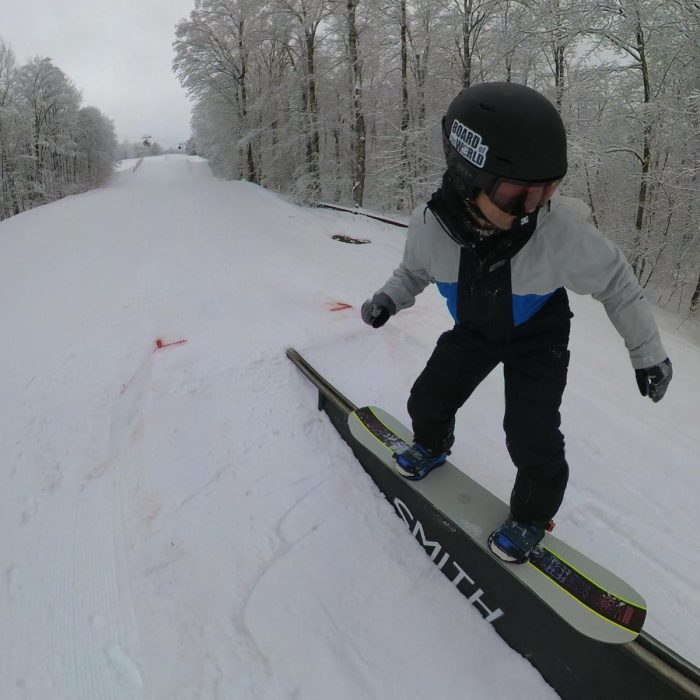
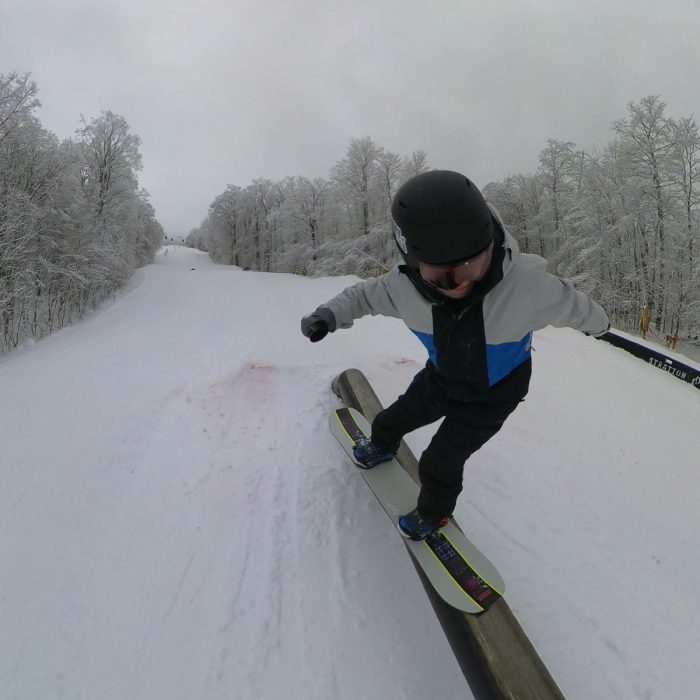
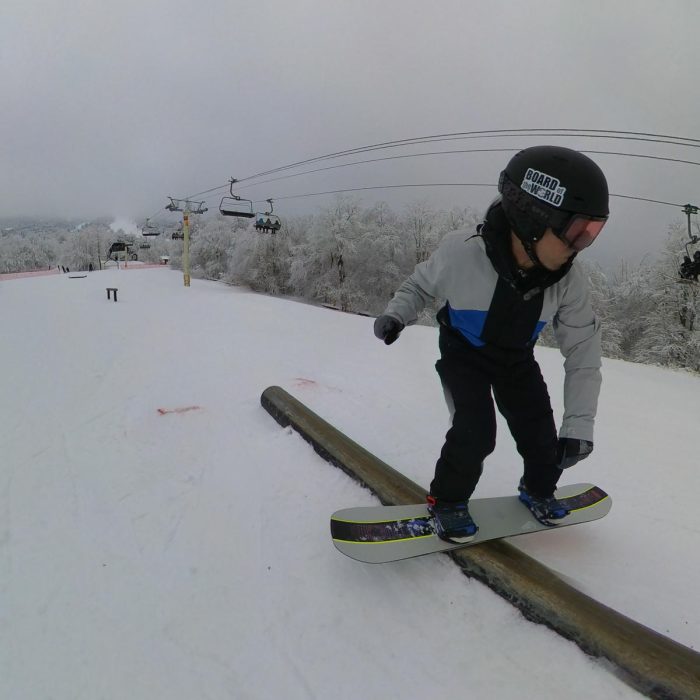
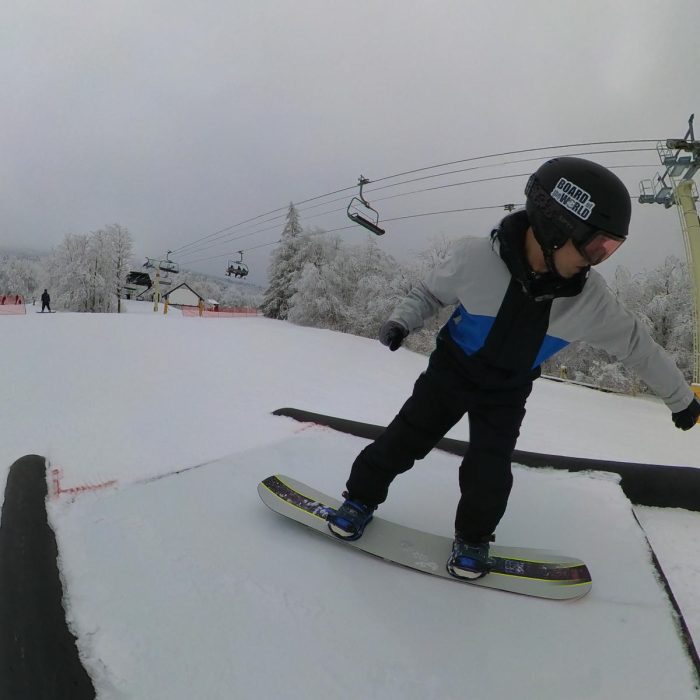
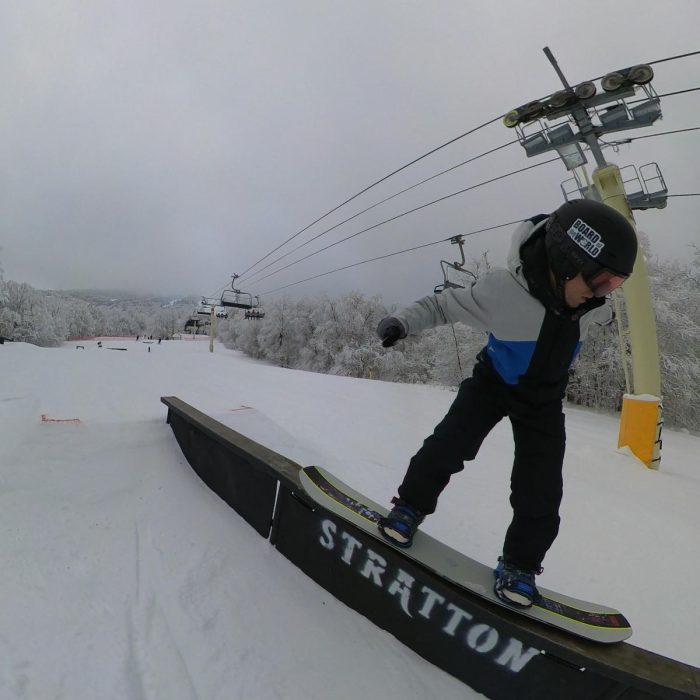
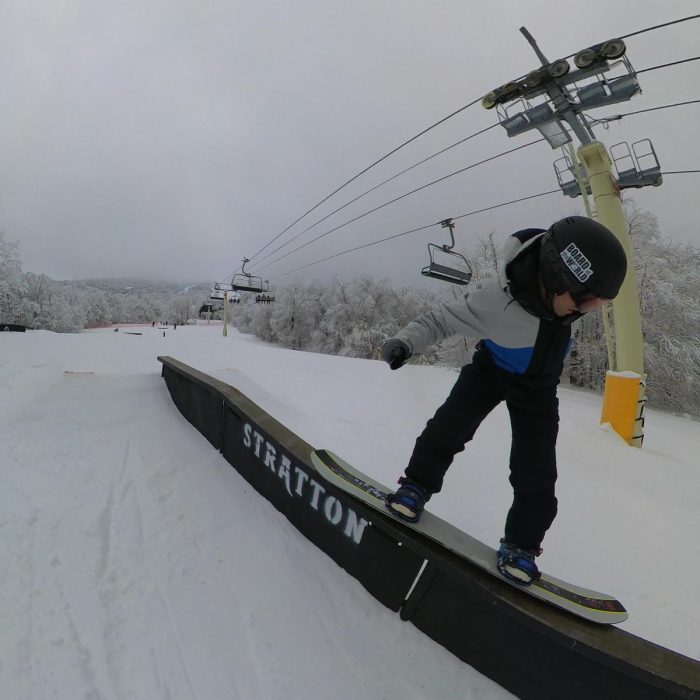
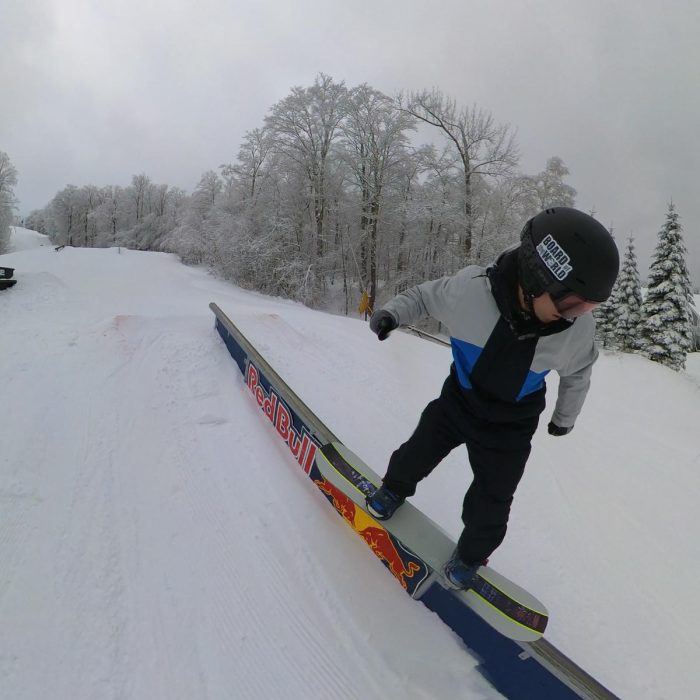
This board worked well for jibbing too. The mid flex molds around the feature to make it a little easier to balance on and it didn’t overdo it. The carbon in the board also gives it a nice spring off the feature as the board snaps back into its original shape. It makes it a little easier to do tricks out of features.
Buttering Performance
It’s actually pretty easy to butter with for a camber-dominant board. The rocker sections in the tips and a softer flex help give the board a playful feel that makes buttering feel a little bit easier than it would be in most other boards with a similar amount of camber between your feet.
With that said, it does still take some muscle and effort to get the board to stay flexed, so if you’re buying this board specifically to butter, please know there are even softer, easier options. That said, if you’re looking for a board with a lot of camber that can still rip the occasional butter, then this is that board.
The best part about buttering with the Huck Knife is that it rebounds back into its shape with a little boost of extra pop, so you can get an extra 180 trying to pop out of your butter.
Carving Performance
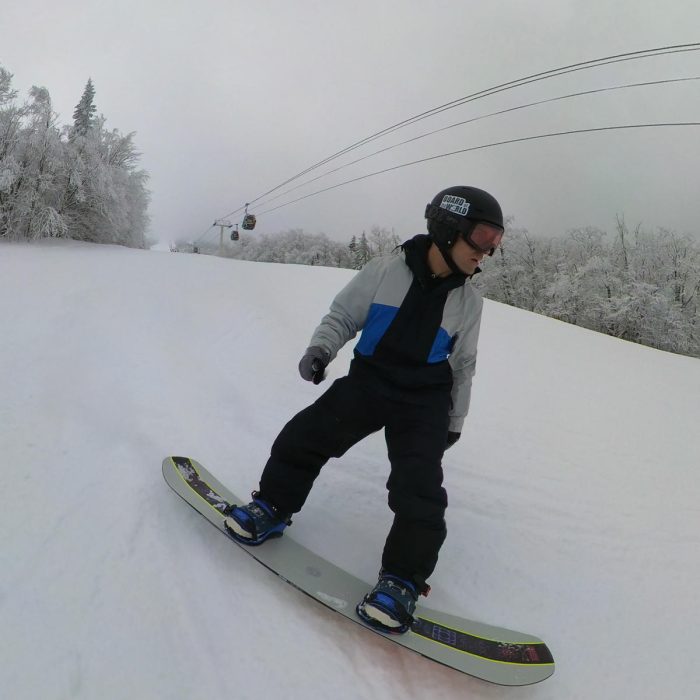
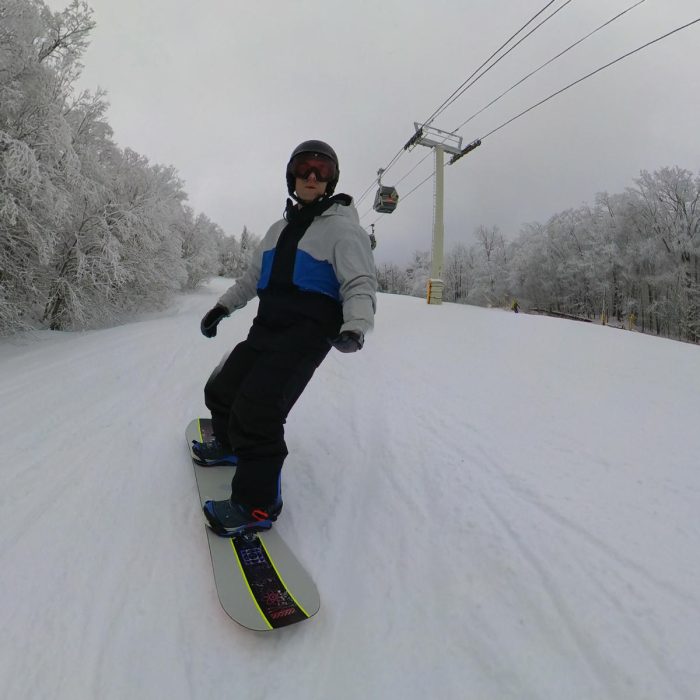
For a board with a decent amount of camber between your feet, this still feels like an easy snowboard to carve with. The turn initiation feels pretty much effortless due to the board’s softer tips with rocker sections right at its contact points. The rockered contact points make for a pretty catch-free feeling ride.
Types of Turns the Salomon Huck Knife Makes
The Huck Knife accels with making shorter, tighter turns. It steers directly underfoot, and its really simple to change direction on a dime if you need to.
The Huck Knife Has a Decent Level of Edge Hold On Ice
I found the Huck Knife to offer a little extra grip on ice due to its EQ Rad sidecut.
If you were to look at the sidecut of the Huck Knife, you would notice that it has a few disrupted angles. In other words, it isn’t one solid continuous arc. Where the disrupted angles come in contact with the snow, you get a little extra point of contact to grip the snow. I wouldn’t say the angled notches offer as much grip as, say, Magne Traction, but it felt like a stronger grip than boards that don’t have this feature.
It’s Not Intended for Riding Aggressively
Overall, the carving experience is better suited for park and casual resort riders rather than aggressive carvers or freeriders. Anyone trying to aggressively carve with this board will find its limits quickly.
The main challenge I noticed was its softer tips just chattered too much to feel stable for long stretches of speed. If you keep your knees bent, you’ll be fine, but if that’s how you ride all day, every day, it will get old real fast.
The Huck Knife has more than enough carving performance for the causal resort rider to take a few runs out of the park with friends. However, if you like to ride aggressively often, I strongly recommend considering getting the Salomon Huck Knife Pro instead of the regular version.
Powder Performance
It did alright with the six inches of fresh snow I got to ride it in, but this is a twin with no additional features to help it float.
It will do ok to a certain point, but you’d be better off taking a dedicated powder board with you on the deeper days.
Speed & the Base

The base was great for everything I needed it to do. I didn’t notice it slowing down in the flatter sections. It allowed me to get enough speed to clear the knuckles of medium-sized jumps, and it had a nice, consistent glide to it.
Is it the fastest base? No, but that’s the benefit of the Salomon Huck Knife Pro.
Specs of the Salomon Huck Knife
| Size (cm) | Waist Width (cm) | Effective Edge (mm) | Tip Width (mm) | Tail Width (mm) | Stance Setback (mm) | Stance Range (mm) |
|---|---|---|---|---|---|---|
| 149 | 24.8 | 1162 | 286 | 286 | 0 | 474-586 |
| 153 | 25.3 | 1192 | 292 | 292 | 0 | 489-601 |
| 156 | 25.5 | 1216 | 295 | 295 | 0 | 504-616 |
| 156W | 26.2 | 1216 | 302 | 302 | 0 | 504-616 |
| 159 | 25.7 | 1240 | 298 | 298 | 0 | 514-626 |
| 159W | 26.4 | 1240 | 305 | 305 | 0 | 514-626 |
| 162 | 26 | 1264 | 302 | 302 | 0 | 524-636 |
Is the Salomon Huck Knife Worth It?
If you enjoy pressing into boxes and still want a board that can launch you off jumps, then yes, the Salomon Huck Knife is definitely worth it. However, if you’re looking for an all-mountain Swiss Army knife of a board that carves exceptionally well, I’d consider a few other options.
Bindings to Pair With the Salomon Huck Knife

The Union Ultra bindings paired beautifully with the Salomon Huck Knife.
Where to Buy the Salomon Huck Knife
You can find the Salmon Huck Knife at Salomon’s website, Tactics, Buckman’s, and Evo.
About the Reviewer

Rider Name: Steve Weber
Field Test Notes: I rode the 153 2025 Salomon Huck Knife at the EWSRA on snow demo in Stratton VT on January 31st 2024.
Rider Experience Level: Intermediate to advanced – I’ve been riding for over 15 years. However, I lean more freestyle than freeride (I prefer hitting jumps and rails over making the perfect turn) .
Rider’s Preferred Terrain: The park with small to medium sized features
Home Mountains: Big Boulder, Jack Frost, Montage – North Eastern Pennsylvania (Lots of east coast ice.)
Size / Model: The board I reviewed was a 2025 Salomon Huck Knife in the 153cm size.
Bindings Used: The 2024 Union Ultra
Rider Weight: 142lbs
Rider Age: 41(and yeah I still get down in the park)
Why Trust This Review?
With over 15 years of park riding experience here on the icy East Coast, I know what it takes to have a safe and fun time out on the mountain. I’m an intermediate park rider who can relate to riders of all skill levels. I’ve been writing in-depth reviews just like this one for the past four years, and my main goal with this review is simply to help you find the right board.
I write these reviews as a “for the fun of it” project. They are as unbiased as I can be for someone who tends to ride in an area with icier conditions.
How to Support Us
You’ll notice that Board of the World is an ad-free site.
If you want to support us, please consider clicking one of our affiliate links above to purchase your board. These links point to the cheapest offer I could find and won’t cost you anything extra. They are just used as referral links to alert the store that Board of the World sent you there. When you make a purchase, the store gives us a small commission.
If you aren’t shopping for a board right now, you can always support us by leaving a comment or question below, too.
Thanks for reading and good luck out there!
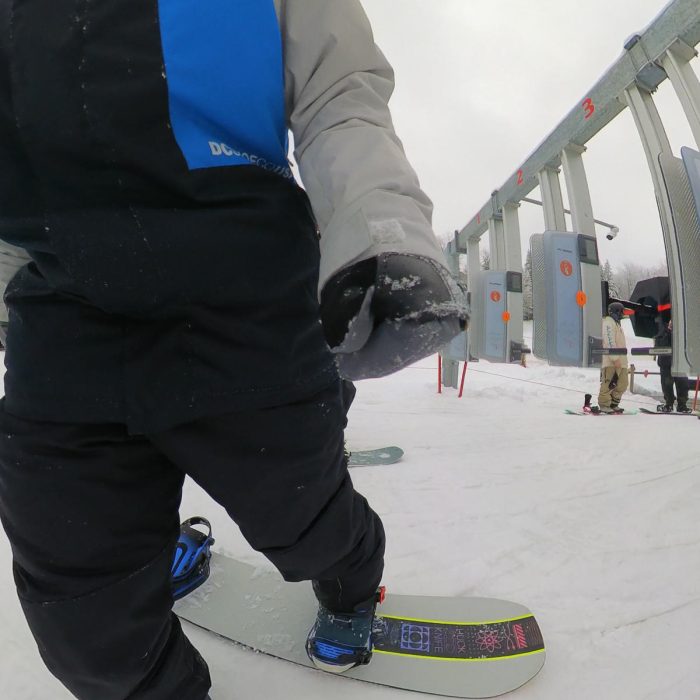
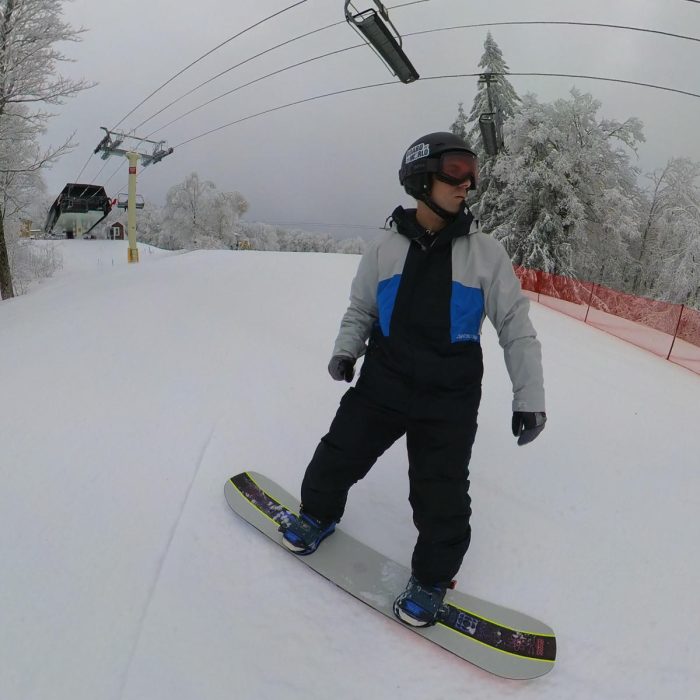
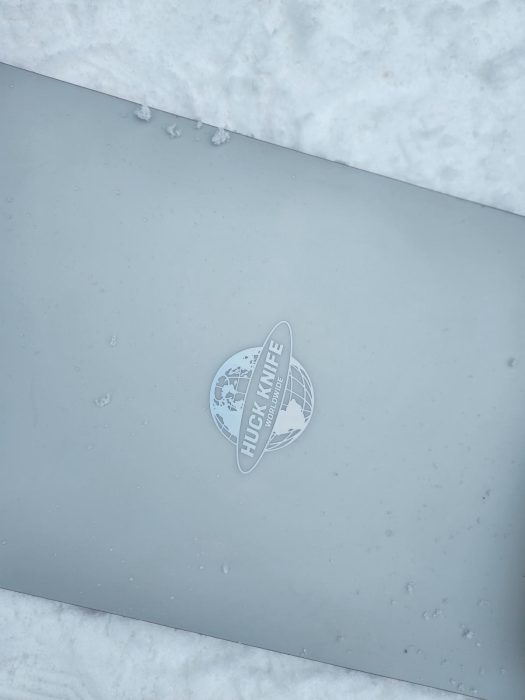
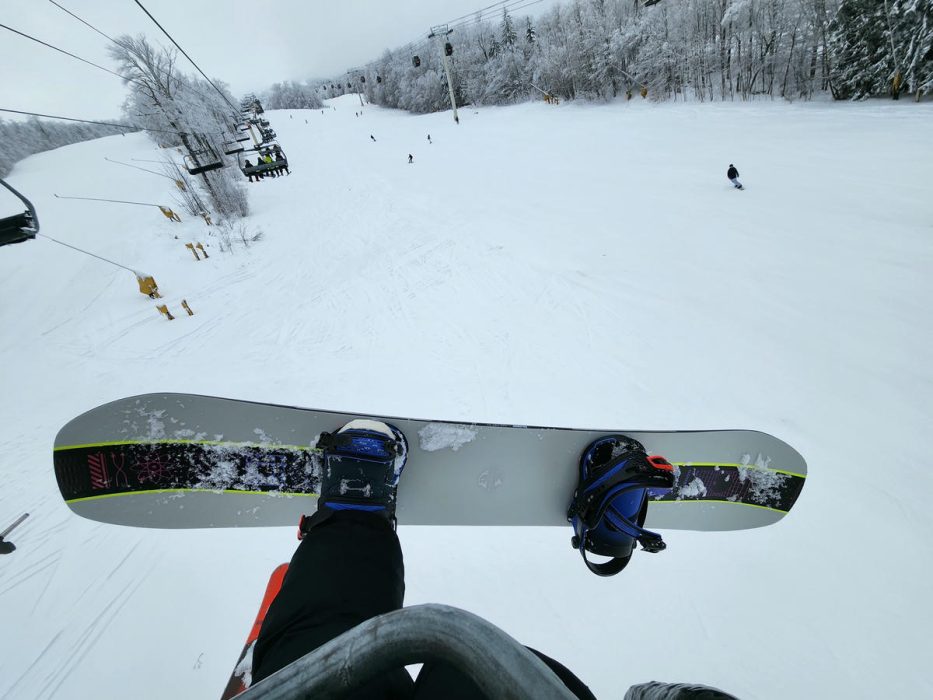
Photos of the New 2025 Salomon Huck Knife Snowboard
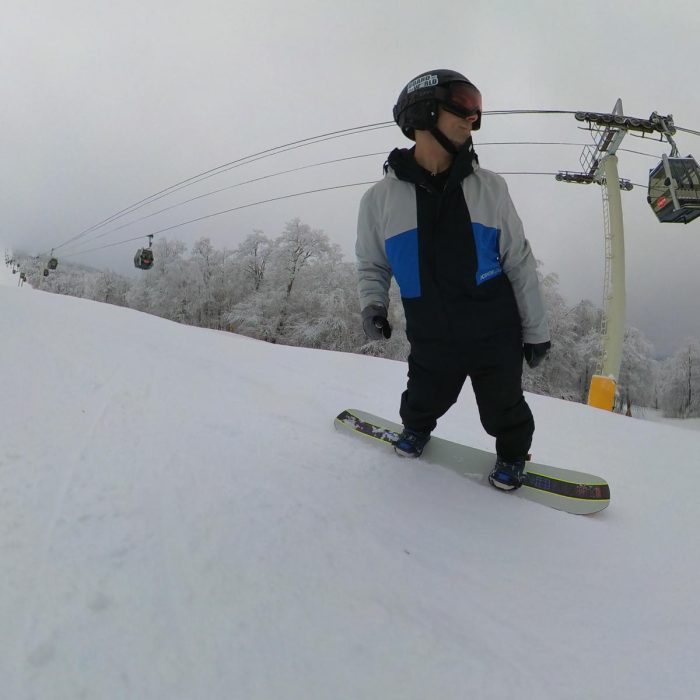
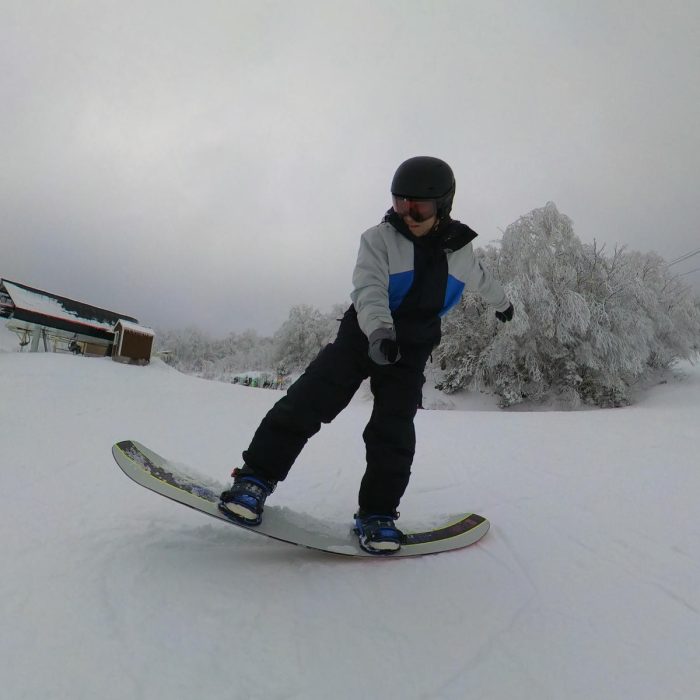
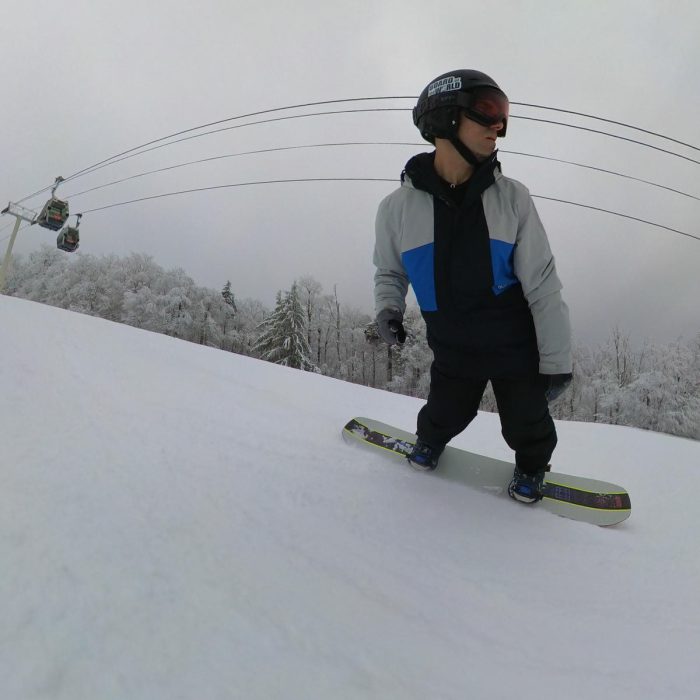
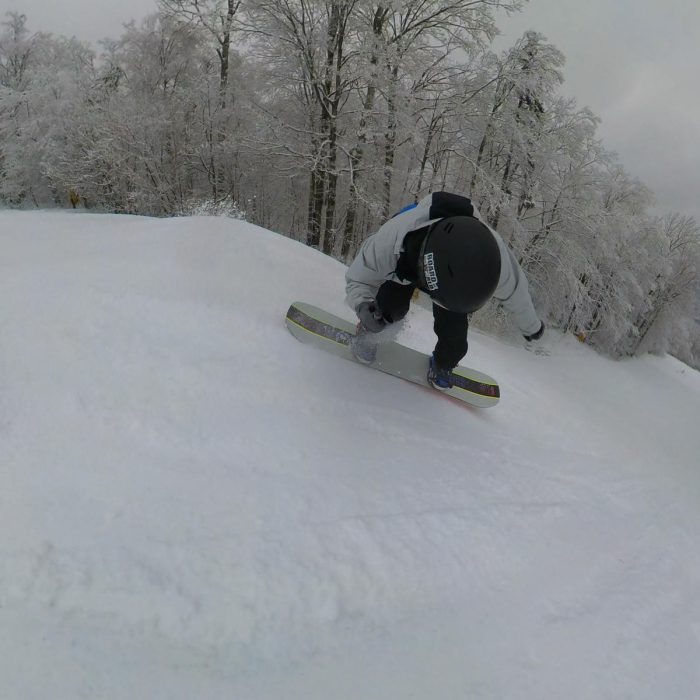
Here is a gallery of images from my review of the Huck Knife.

Steve Weber is the passionate snowboarder, skateboarder, and author behind Board of the World. He understands that most gear reviews focus on having the perfect snow conditions, but his testing methodology is different. Living in Pennsylvania, Steve describes exactly how a board performs when the conditions aren’t perfect. His reviews cover performance on ice, hardpack, and flat-out brick conditions. In other words, he reviews boards for the conditions that East Coast riders actually face.
Bringing 27 years of East Coast snowboarding and 21 years of skateboarding experience, Steve is a 42-year-old intermediate park rider. His recommendations are informed by decades of battling icy conditions, ensuring every review accounts for the board’s performance on the roughest of terrain.
For the last five years, Steve has poured his passion into writing in-depth, unbiased reviews that help riders make informed decisions about the gear they’ll use. He also works part-time at a snowboard shop in Northeastern Pennsylvania, which gives him a direct line to learning about the new gear tech months in advance. When he’s not writing reviews, Steve is often found riding at Montage Mountain and testing out new boards.
Steve’s goal with Board of the World is simple: to help every reader find the right gear so they can have fun outside from the first time they use it.