


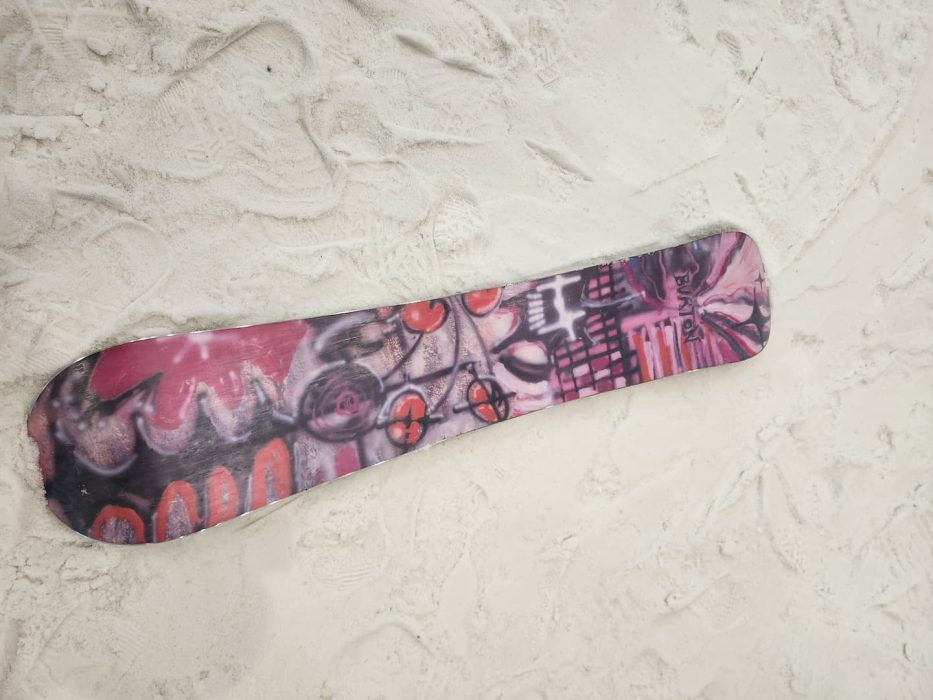
The 2025 Burton Good Company Snowboard is a versatile and budget-friendly board that’s perfect for hitting small to medium sized features in the park.
This review explains what I thought about the Good Company and aims to help you decide if you should get the Good Company or just go with one of the more expensive boards like, the Blossom or Burton Custom Camber.
Summary of the Burton Good Company 2025
The Burton Good Company is one of the cheapest park boards on the Burton lineup that you can buy. It is a camber board with a medium 5.5 out of 10 flex that can lock into a nose press and offers a little extra boost of pop off jumps. The carving experience with this board is decent, but its main highlights are found more so in the park than cruising around the entire resort.
Board Reviewed: 152 Burton Good Company 2025
Price of Board: $449.95
How the Price Compares to Others:
The Burton Good Company costs -$77.38 less than the average snowboard price of $527.33.
Our Rating Score: 4.11 out of 5
How the Burton Good Company Ranks Against Others:
The Burton Good Company ranks 31st out of the 31 boards we reviewed in the park category.

Who is the Burton Good Company For?
The Good Company is for the all-mountain freestyle rider who wants a board for hitting park features that comes in at a price of less than $500. This board has everything a rider needs to start learning to hit park features without breaking the bank.
Main Reason the Ideal Rider Gets this Board: Its Price / Value
Priced at only $440, the Good Company offers a lot of value for its price. It’s also $180 less expensive than the Blossom and $230 cheaper than the Burton Custom Camber. The lower price tag make it an attractive option for riders seeking a high-quality snowboard without needing to pay over $500 for a board.
The Secondary Reason To Get this Board: It’s Park Performance
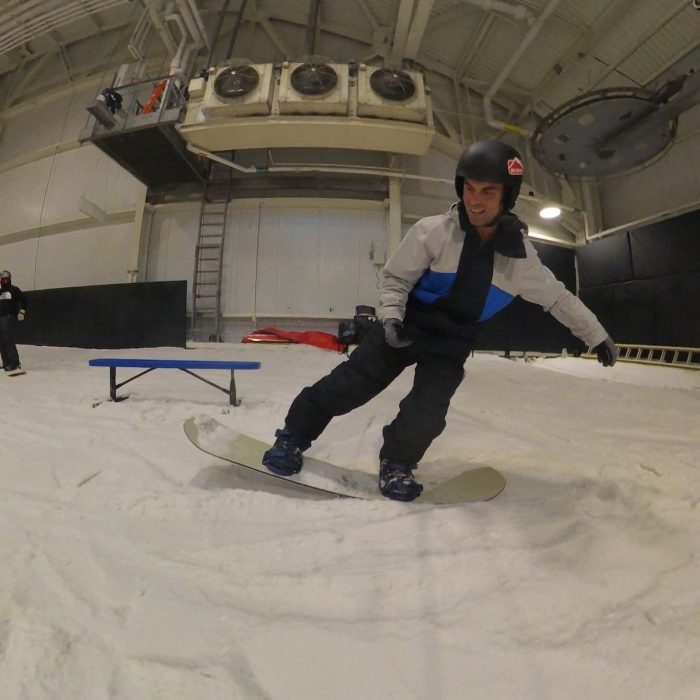
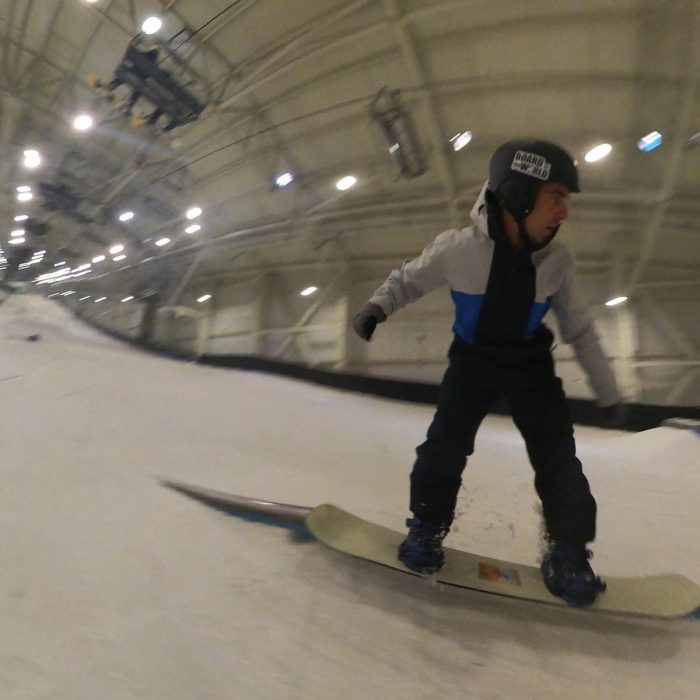
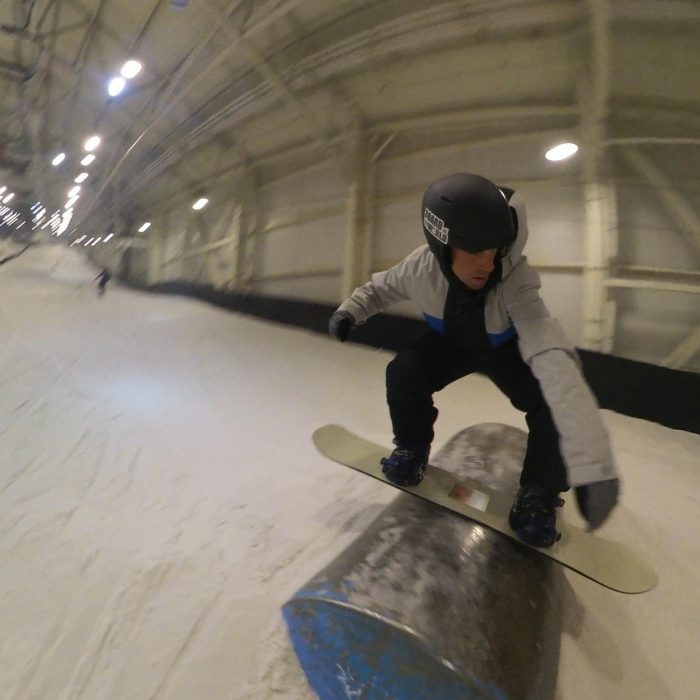
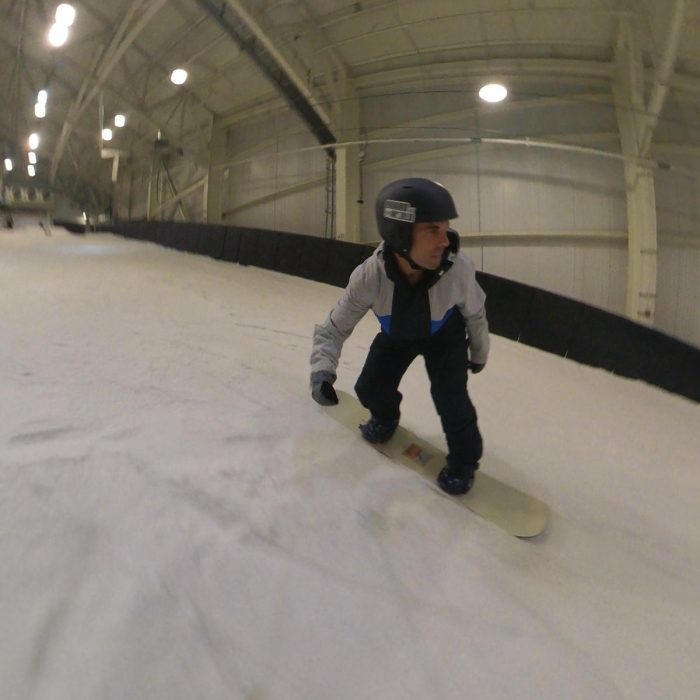
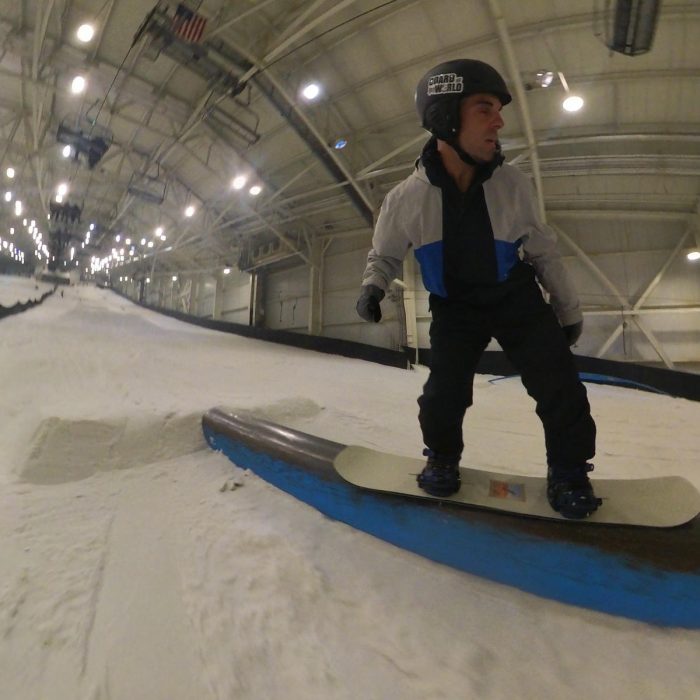
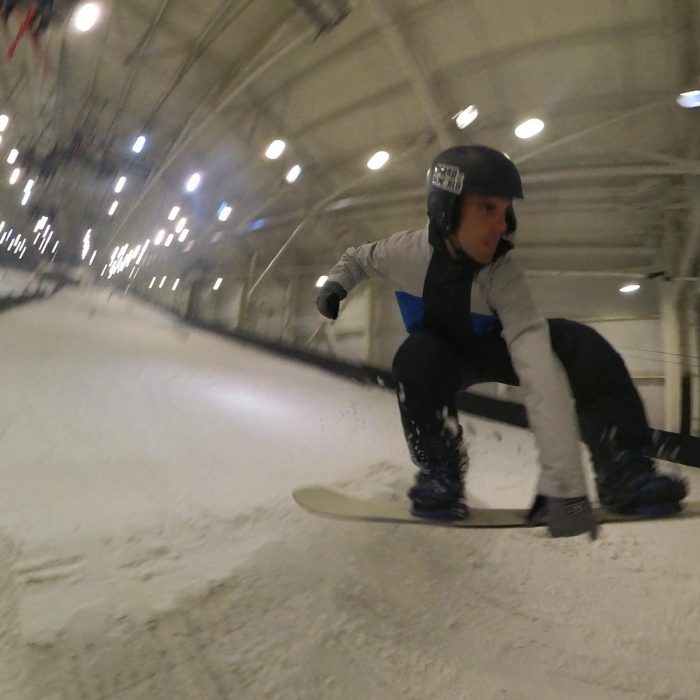
This board is perfect for the resort rider who also loves to hit smaller park features. Out here on the East Coast, this would be my pick for the Burton Board to best ride Big Snow’s indoor park with. It’s softer and perfect for jibbing while having more than enough pop and stability for the small indoor-sized jumps.
Pros of the Burton Good Company
- Price: This is a lot of snowboard for its price. For less than $500, it’s rare to get Triax™ Fiberglass and a sintered base.
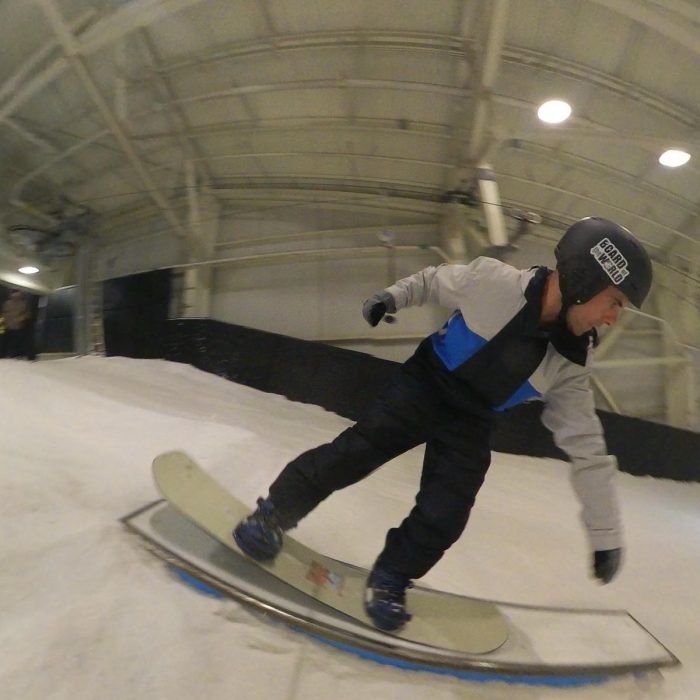
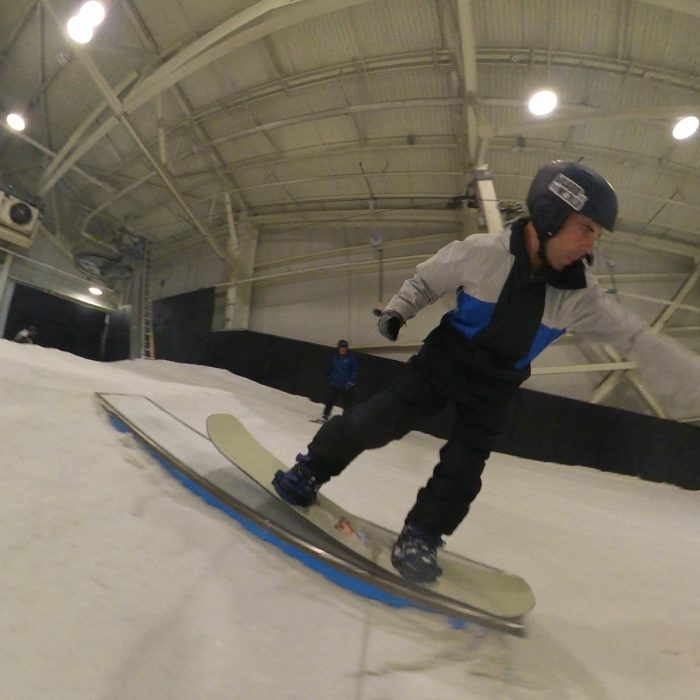
- Great for Jibbing & Hitting Small Park Features: The Good Company has a medium flex at around a 5.5 / 10. The flex makes it great for nose-pressing features and still having enough snap to launch you into the air off of jumps.
- Versatility: This is a board that will be versatile enough anywhere at your local resort. It features a traditional camber profile with a playful flex, so it offers the drive and power while still being approachable for most riders. It’ll be great for both carving and launching off smaller jumps.
- Durable Yet Lightweight Build: The Super Fly 800G Core combines hard and soft woods to create a lightweight yet robust structure. This construction enhances the board’s pop and overall performance.
- Customize Your Stance: The Burton Channel mounting system allows you to customize your stance exactly where you need it rather than based on the holes that were pre-drilled into your board.
- Noticeably Strong Edge Hold: This is a board that offers some grip. Burton added a special positioning of the wood grain along the edges of this snowboard. The benefit of the positioning is that it increases edge hold, response, and strength while contributing to a more controlled feeling ride.
Cons of the Burton Good Company
- There Are Similar Options That Are Better: For a more versatile option that’s a bit more responsive for both all-mountain and park riding, I recommend considering either the Burton Blossom (true twin) or the Burton Custom Camber (directional twin). The Good Company offers similar features to both of those boards. With the Good Company being the cheaper option, it is worth checking out the others if you are able to afford their upgrades (they’ll be around $180 more, though).
- The Base Isn’t the Fastest: While it should be more than fast, this isn’t as fast as the Burton Boards with the sintered WFO bases that Burton offers.
My Rating Of the Burton Good Company
The Burton Good Company was rated on our All Mountain Freestyle scoring system. This rating scale prioritizes park performance along with carving and versatility. The weighting column of the score will give you an idea of how much each consideration contributed to the overall score.
| Considerations | Rating Out 5 | Score Out of 100 | Weight / Importance to Score |
|---|---|---|---|
| Pop / Power | 3.90 | 78 | 10 |
| Carving / Turns | 4.00 | 80 | 10 |
| Speed | 4.05 | 81 | 10 |
| Ice / Poor Conditions | 3.75 | 75 | 10 |
| Switch | 5.00 | 100 | 10 |
| Jumps | 4.00 | 80 | 10 |
| Dampness | 3.50 | 70 | 10 |
| Fun to ride | 5.00 | 100 | 10 |
| Resort Riding / Versatility | 4.25 | 85 | 5 |
| Responsiveness | 4.10 | 82 | 5 |
| Jibs | 4.25 | 85 | 5 |
| Powder | 3.25 | 65 | 3 |
| Buttering | 3.50 | 70 | 2 |
| Weighted Score | 4.11 | 82.35 | 100 |
Our Rating:  82.35 out of a possible 100 or 4.11 out of a possible 5 review score for the Burton Good Company 2025 Snowboard.
See the Highlighted Features of the Burton Good Company
Image Gallery from the Review






Should You Get the Burton Good Company or Blossom?
The overall feel of the Good Company is very similar to the Burton Blossom. However, the Good Company differs by having a medium flex and a slower base compared to the Blossom, which is slightly stiffer. With that said, the Good Company is the more entry level option than the Blossom. Currently, the Burton Good Company costs $440, which is around $180 cheaper than the Burton Blossom.
So which one should you get?
Ultimately, it depends on how you like to ride and what you need out of your next snowboard.
- The Blossom is the more responsive board, so it is noticeably better for carving.
In terms of park riding, it also depends on the features you hit most often in the park.
- If you like to jib more than you like to hit jumps. The Good Company is the better board for jibbing thanks to its softer flex. It’s the easier board for locking onto rails, and that makes balancing your jib tricks feel a little easier.
- On the other hand, if you like to hit jumps more than you jib, go with the Blossom. It’s the more responsive board with more pop for launching you off jumps and more stability to help with your landings.
So, Which Do I Prefer Between the Burton Good Company and Burton Blossom?
I preferred the Burton Blossom.
The Blossom just felt like the higher-end, more impressive board under my feet. Where the Good Company was more like, “oh cool, this is a softer and slower version of the Blossom.” With that in mind, if you can afford the additional $180, you’d get more snowboard for your money if you just went with the Blossom instead.
If you jib more than you jump, go with the Good Company. However, if you hit jump more than you
In my opinion, if you can afford the additional $180 for the faster base and more response, you probably should go with the Burton Blossom. I found that board to be exceptional for cruising all over the resort and hitting features.
Now, with that said, the Good Company is a very close second choice for that board. While it isn’t as fast or responsive, it does everything the Blossom does for you:
It gets you a board that can jib and jump decently well.
It gets you a board that carves all over the mountain decently enough to take runs with friends.
It’s a Burton board. (So it is built with high-quality materials from a trusted brand that offers a three-year warranty).
The most noticeable difference is that it just isn’t as fast as the Blossom. For most resort riders, that is perfectly fine because the base in the Good Company is more than fast enough for the casual resort rider.
Should You Get the Burton Good Company or the Custom Camber?
The Burton Good Company and the Burton Custom Camber are further apart in their comparison.
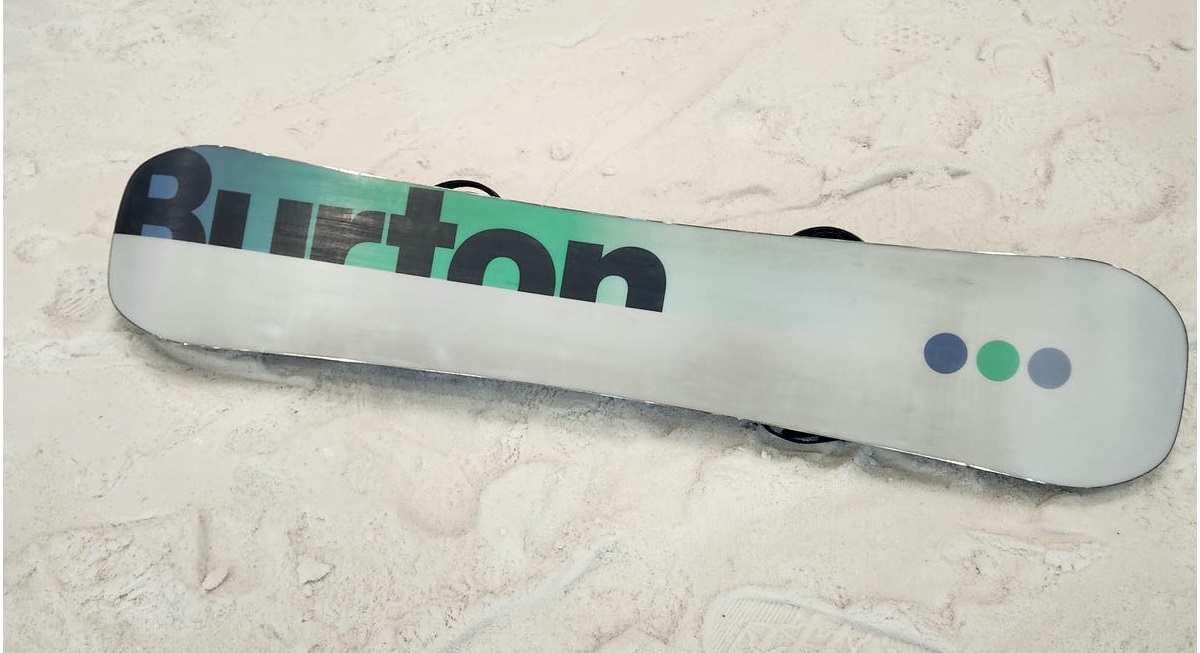
The Custom Camber is a higher-end, more expensive board, costing an additional $230, that shares many of the same upgraded features as the Blossom. Compared to the Good Company, the Custom Camber is faster, more responsive, and offers a more explosive feeling pop. However, the primary difference between the Good Company and the Custom lies in their shapes.
The Burton Custom Camber has a directional twin shape, while the Good Company has a true twin shape. This means the Burton Custom Camber has a slightly longer nose and a set-back stance. In other words, the rider stands on the Good Company with a centered stance, at an equal distance, between the nose and tail, while the rider of the Custom Camber stands more set back towards the tail of the board.
The directional shape of the Burton Custom Camber makes it a more versatile choice for all-mountain carving and slightly better at floating in powder.
So they’re two very different boards, but if you’re looking for a higher-end, more versatile option, I’d recommend going with the Burton Custom Camber, and if you’re strictly a park rider and are more interested in keeping your costs low, go with the Good Company.
Notes for How The Board Feels to Ride
This section details how the board felt to me in specific areas.
Carving Performance
The Burton Good Company carves decently well. Its sidecut is best for making quicker, tighter turns over wide, aggressive turns. It’s a decent option for the casual resort carver over the aggressive carver.
Park Performance
While this board can carve, you’d really want to buy it more for its park performance features. It’s excellent for jibbing and a really strong choice for hitting jumping, thanks to its balance between playfulness, stability, and pop.
Jibbing
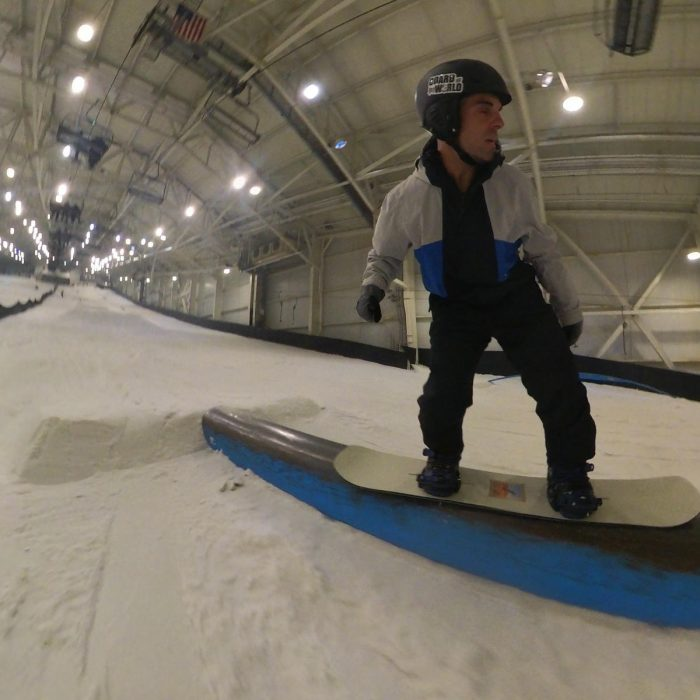
For jibbing, it’s got a flex that feels like a 5.5/10 to me. Most riders will find it easy to press into rails thanks to a sweet spot right outside the insert pack. The medium flex and camber profile work well to hug the features you slide across without bouncing or jarring to trip you up. All in all, I’d rate it as an easy board to balance your jibs with.
Jumping
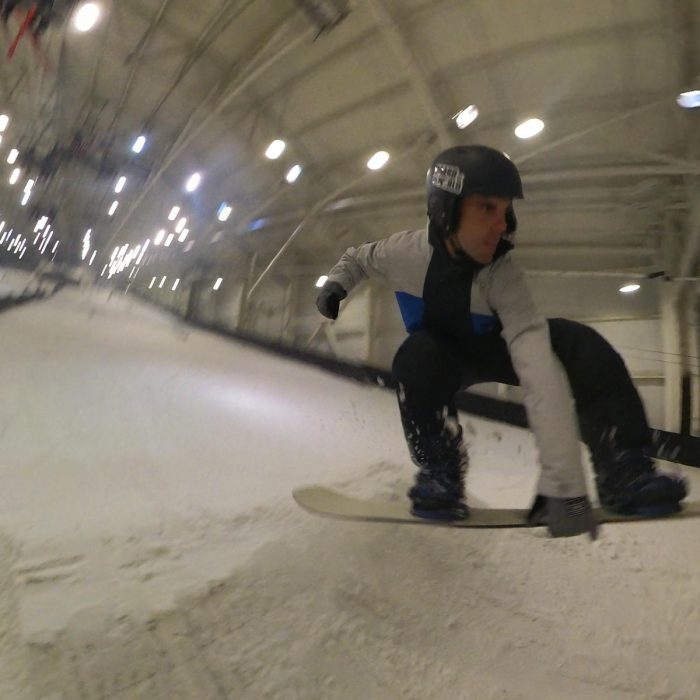
The Good Company has a slightly average level of pop that is really intuitive to time for loading up. It’s perfect for the park rider who wants to hit small to medium-sized jumps. The jumping highlighted features are found in its construction, though. Burton designed the Good Company specifically to have a lighter swing weight, so it feels easily maneuverable in the air. It’s a great camber board to learn new spin tricks with.
Buttering
This board can butter with some effort, but I would note that there are far easier options for flat-ground tricks out there.
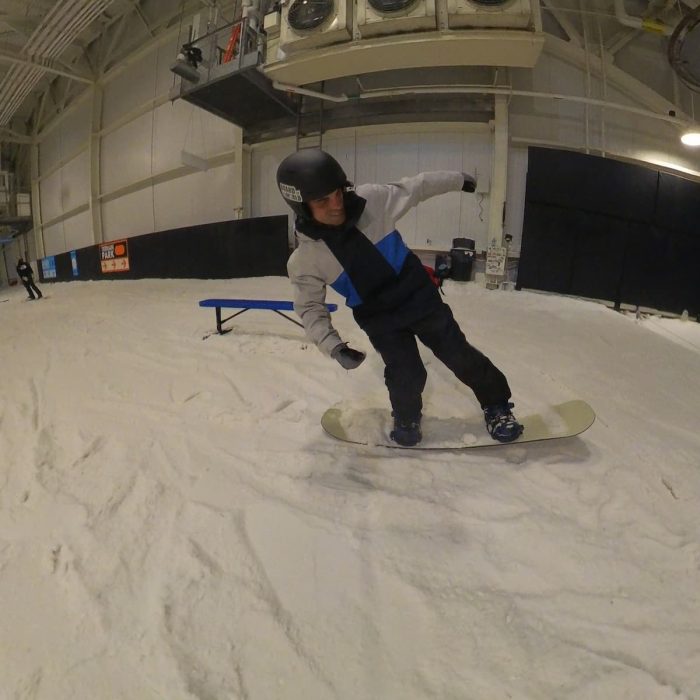
This board isn’t as soft as the Burton catalog’s description would lead you to believe. Its camber profile wants to snap it back into its original shape, so while you flex it and try to swivel into your butter, it wants to rebound back into its normal position.
If you put some muscle into it, it will butter nicely for you. Just go into this with the board’s butter-ability, taking some practice and more effort than you might think.
The Base
The base isn’t the fastest on the Burton lineup. However, it works well enough to get you from feature to feature in the park with it feeling a hair slow in the flatter sections. Overall, it does a decent job maintaining its speed, and it will be more than fast enough for the majority of you reading this.
One thing to note is that since it is a traditional sintered base, you will need to wax it often to maintain its level of glide. I recommend waxing it after 3 to 4 days of riding.
Specs and Sizing of the Burton Good Company
The Good Company is available in 135cm, 145cm, 148cm, 152cm, 155cm, 155cm Wide, 159cm, and 159cm Wide sizes, so there is a board for nearly every rider from teens through adults.
Expand to See the Full Specs and Sizing Recommendations
| Board Size | Weight Range | Waist Width (cm) | Running Length (cm) | Sidecut Radius | Sidecut Depth (cm) | Stance Width (cm) | Nose Width (cm) | Tail Width (cm) | Effective Edge (cm) |
|---|---|---|---|---|---|---|---|---|---|
| 135 | 80-120 lbs. / 36-54kg | 23.5 | 94 | 6.4m | 1.72 | 45.5 | 26.94 | 26.94 | 98.5 |
| 145 | 100-150 lbs. / 45-68kg | 24.5 | 104 | 7.1m | 1.9 | 50.5 | 28.3 | 28.3 | 108.5 |
| 148 | 100-150 lbs. / 45-68kg | 24.8 | 107 | 7.3m | 1.96 | 53 | 28.71 | 28.71 | 111.5 |
| 152 | 120-180 lbs. / 54-82kg | 25 | 111 | 7.6m | 2.03 | 53 | 29.06 | 29.06 | 115.5 |
| 155 | 120-180 lbs. / 54-82kg | 25.2 | 114 | 7.8m | 2.08 | 56 | 29.37 | 29.37 | 118.5 |
| 159 | 150-200 lbs. / 68-91kg | 25.5 | 118 | 8.1m | 2.16 | 56 | 29.81 | 29.81 | 122.5 |
| 155W | 120-180 lbs. / 54-82kg | 26 | 114 | 7.8m | 2.08 | 56 | 30.17 | 30.17 | 118.5 |
| 159W | 150-200 lbs. / 68-91kg | 26.3 | 118 | 8.1m | 2.16 | 56 | 30.61 | 30.61 | 122.5 |
Bindings that Pair With the Good Company
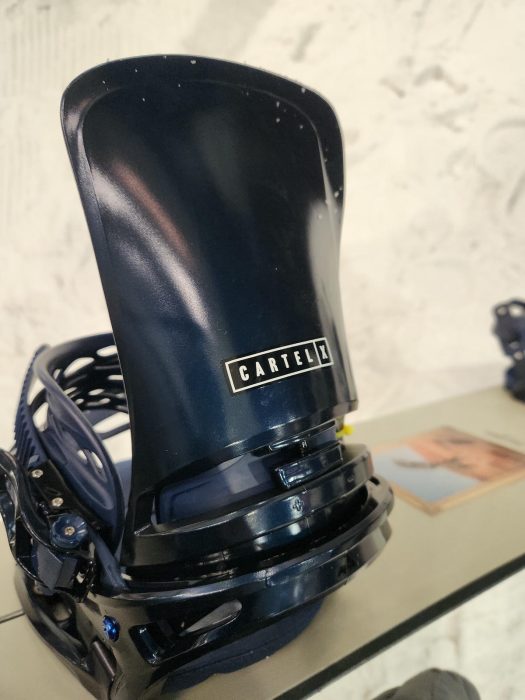
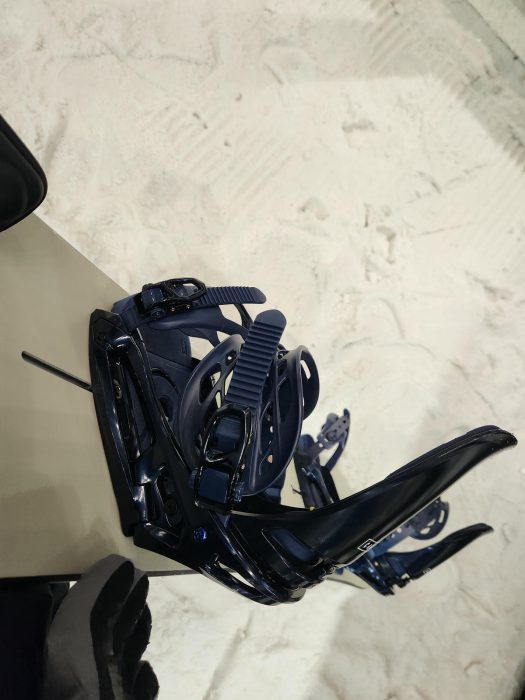
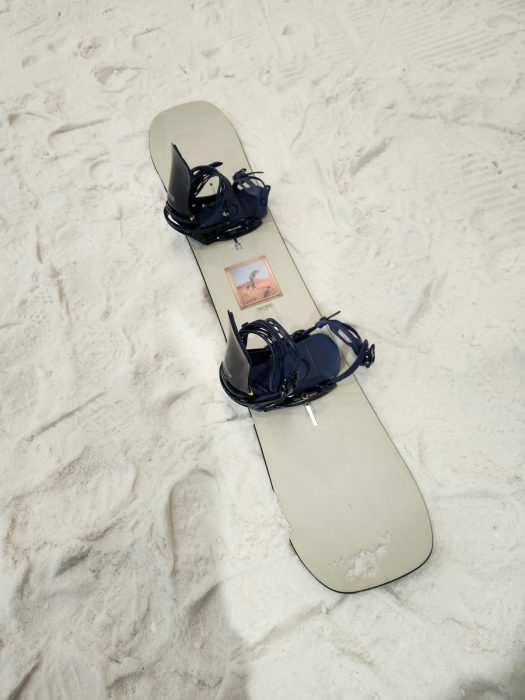
I rode it with the 2025 Burton Cartel bindings, and it paired incredibly well.
Is the Burton Good Company Worth It?
Maybe. It depends on how much price is a factor for you.
The 2025 Burton Good Company Snowboard stands out as a great park board for its price. There aren’t many park boards that offer the Triax glass and sintered base for the price.
With that said, the Blossom and Custom Camber are both such standout boards that I urge you to consider before selecting the Good Company. The main reason why you’d choose this board over the others would just be the price. The Good Company is a lot of board for only $440, so for those of you looking for a budget friendly board from the Burton lineup, you won’t go wrong with the Good Company.
About the Reviewer

Rider Name: Steve Weber
Field Test Notes: I rode the 153 2025 Burton Good Company at the Burton on snow demo at Big Snow on August 1st 2024.
Rider Experience Level: Intermediate to advanced – I’ve been riding for over 15 years. However, I lean more freestyle than freeride (I prefer hitting jumps and rails over making the perfect turn) .
Rider’s Preferred Terrain: The park with small to medium sized features
Home Mountains: Big Boulder, Jack Frost, Montage – North Eastern Pennsylvania (Lots of east coast ice.)
Size / Model: The board I reviewed was a 2025 Burton Good Company in the 152cm size.
Bindings Used: The 2025 Burton Cartel Bindings
Rider Weight: 142lbs
Rider Age: 41
Why Trust This Review?
With over 15 years of park riding experience here on the icy East Coast, I know what it takes to have a safe and fun time out on the mountain. I’m an intermediate park rider who can relate to riders of all skill levels. I’ve been writing in-depth reviews just like this one for the past four years, and my main goal with this review is simply to help you find the right board.
I write these reviews as a “for the fun of it” project. They are as unbiased as I can be for someone who tends to ride in an area with icier conditions.
How to Support Us
You’ll notice that Board of the World is an ad-free site.
If you want to support us, please consider clicking one of our affiliate links above to purchase your board. These links point to the cheapest offer I could find and won’t cost you anything extra. They are just used as referral links to alert the store that Board of the World sent you there. When you make a purchase, the store gives us a small commission.
If you aren’t shopping for a board right now, you can always support us by leaving a comment or question below, too.
Thanks for reading and good luck out there!

Steve Weber is the passionate snowboarder, skateboarder, and author behind Board of the World. He understands that most gear reviews focus on having the perfect snow conditions, but his testing methodology is different. Living in Pennsylvania, Steve describes exactly how a board performs when the conditions aren’t perfect. His reviews cover performance on ice, hardpack, and flat-out brick conditions. In other words, he reviews boards for the conditions that East Coast riders actually face.
Bringing 27 years of East Coast snowboarding and 21 years of skateboarding experience, Steve is a 42-year-old intermediate park rider. His recommendations are informed by decades of battling icy conditions, ensuring every review accounts for the board’s performance on the roughest of terrain.
For the last five years, Steve has poured his passion into writing in-depth, unbiased reviews that help riders make informed decisions about the gear they’ll use. He also works part-time at a snowboard shop in Northeastern Pennsylvania, which gives him a direct line to learning about the new gear tech months in advance. When he’s not writing reviews, Steve is often found riding at Montage Mountain and testing out new boards.
Steve’s goal with Board of the World is simple: to help every reader find the right gear so they can have fun outside from the first time they use it.
hi Steve with what boots were you pairing the cartel x bundings ?
Hi George, I rode these with my ThirtyTwo STW BOA Boots.I wouldn’t say that’s an ideal pairing for the binding, though. The STW boots are softer than the bindings, so I recommend aiming for at least a mid flexing boot to make better use of the Cartel X’s response level. Try to pair the Cartel X with a boot in the 5-8 out of 10 flex range. Burton would likely steer you to the Burton Photon Boots for these bindings. I am ThirtyTwo fan, so I’d say go with the ThirtyTwo TM-2 or ThirtyTwo Lashed.
Good luck with your search!