
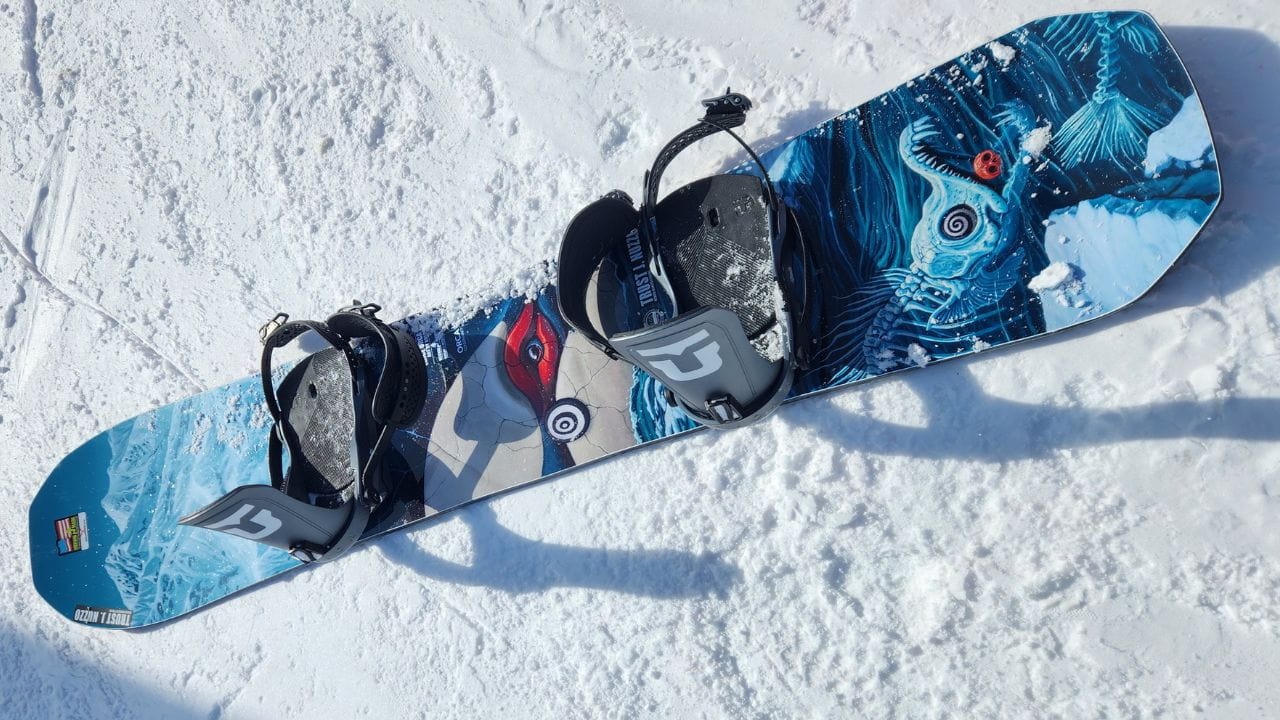

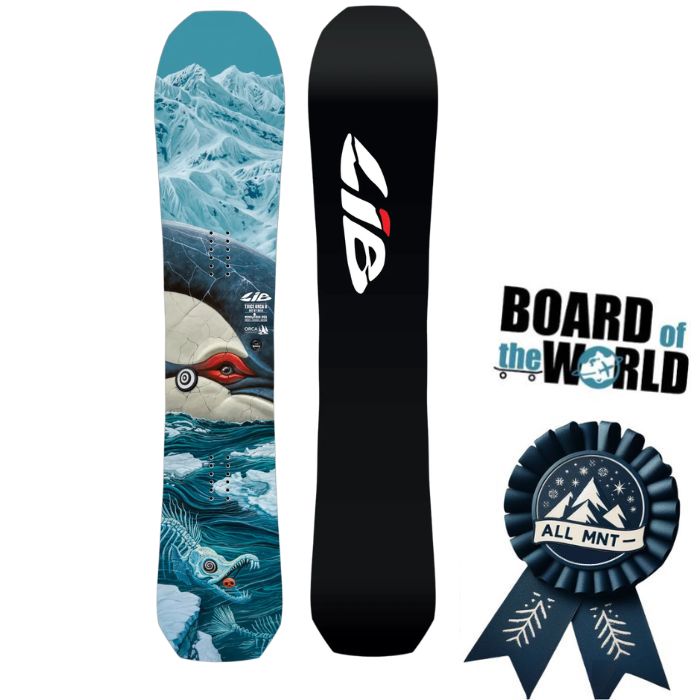
Lib Tech just dropped the Orca II, or “Orca Two,” as a surprise early release. While the Lib Tech Orca II snowboard was originally slated for the 2027 lineup, it arrived in shops seven months ahead of schedule.
I spent two days testing the new Orca Two at the EWSRA on-snow tradeshow in Stratton, Vermont, on February 3rd and 4th, 2026. This review focuses on the differences I found between the new model of the Orca and the classic version from last season.
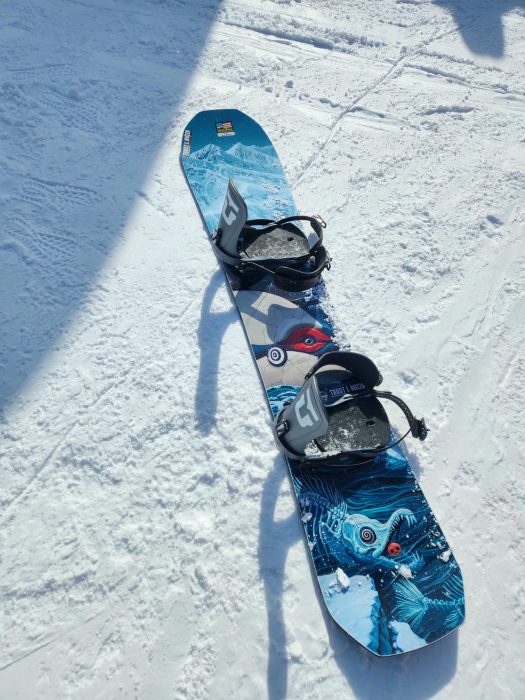
For reference, I am an avid rider of the Orca and own an older version of the board as part of my own quiver.
So is upgrading worth it?
With the exception of slightly better switch riding performance, the board feels very similar to the first-generation’s Lib Tech Orca that we already know and love.
The Orca Two keeps the same overall feel, locked-in edge hold on ice thanks to its Magne-Traction, and it still floats exceptionally well in powder thanks to its overall shape and c2x profile.
With it feeling nearly identical to last season’s Orca, you probably won’t need to update unless a slight improvement to the board’s switch riding abilities is worth the additional $190 to you.
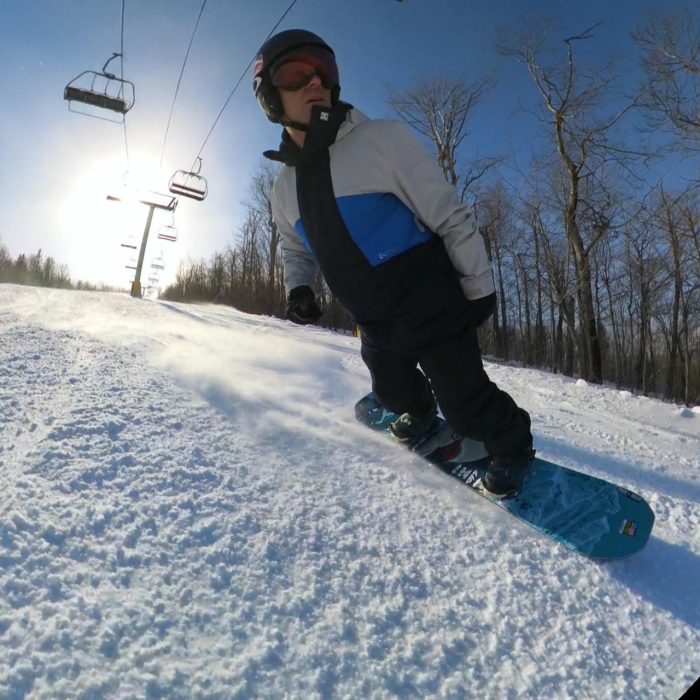
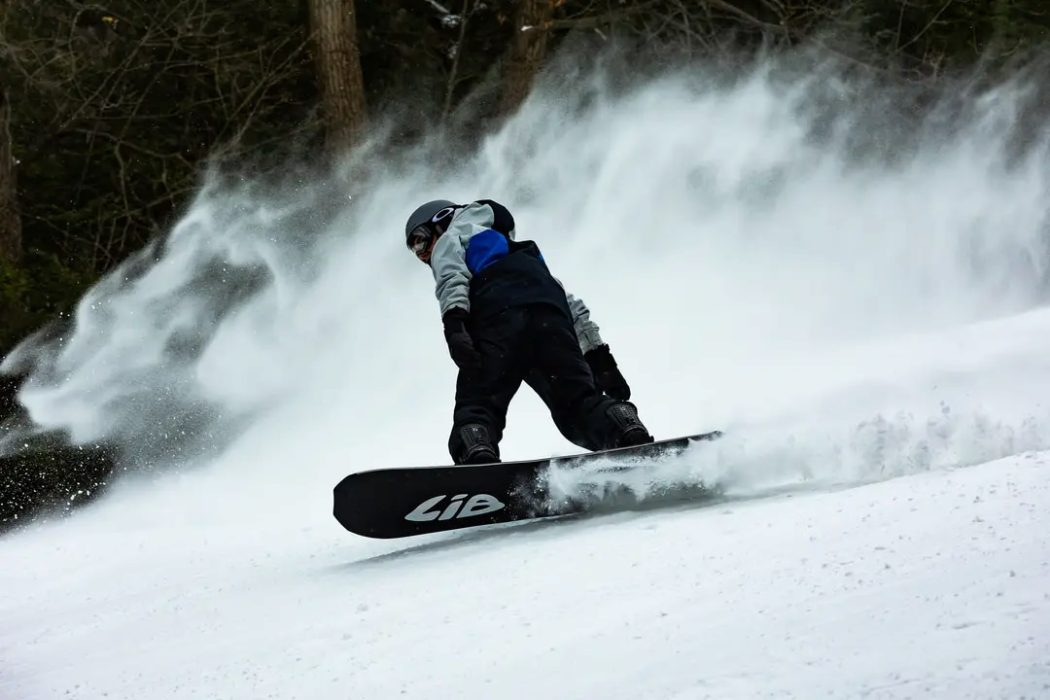
I tested the Orca Two in fresh groomers, powder stashes, the side country tree lines of Stratton, and the small to medium sized terrain park all to get a feel for exactly what is different about the new version of this board.
I’d say the feel of the ride is so similar that most riders won’t notice the difference. So with that in mind, if you find the older model at a lower price, and don’t mind last season’s graphic, I’d recommend picking that one up while it is on sale. However, there are three technical updates to consider that might make you want to get the Orca II depending on where you get to ride.
Spoiler: It rides better switch, it’s lighter, and it’s more eco-friendly.
Pros of the Lib Tech Orca II
- Versatile All-Mountain Performance: The Orca II has a very short / tight 7-meter sidecut and Magne-Traction (serrated like a steak knife) edges to that give it a massive amount of stability for carving with extra level of grip on ice and hardpack. Additionally, its set-back stance, 10mm tapered shape, and C2X hybrid profile help it to float effortlessly in powder.
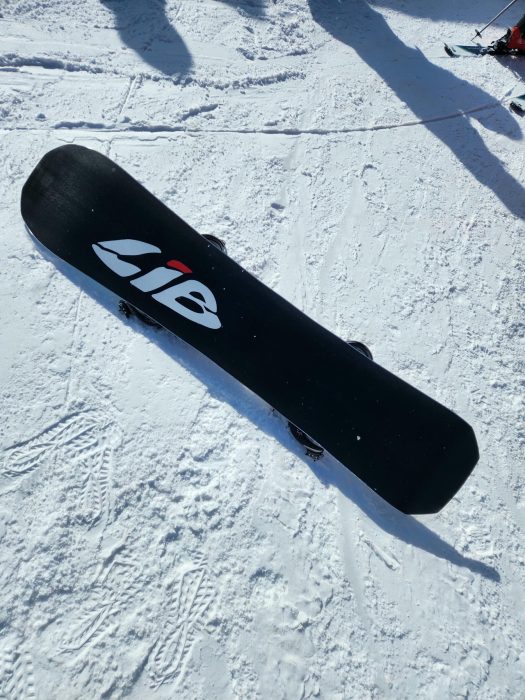
- Improved Switch Riding Capability: The upgraded shape gives it a more rounded-off nose and tail to make it more balanced for riding switch than last season’s version.
- Balanced 7/10 Flex and Stability: The stiffer 7/10 flex pattern allows for stability while carving and hitting jumps while C2X hybrid profile makes it still easy to press and butter. This combination gives the board a powerful level of pop without sacrificing its freestyle feel.
- Reduced Overall Weight: The HPONH construction uses a .01 thinner recycled PET top sheet and a Makah Hemlock core to lower the board’s overall weight from the previous version without changing its feel.
- High-Density Sintered Knife Cut Base: This is a higher end sintered base that is designed to get the maximum amount of wax retention while holding it longer than most other sintered bases. It’s fast and durable, but with it being nearly all black, it’s also very easy to repair it with a black p-tex candle to keep it looking brand new.
Cons of the Lib Tech Orca II
- It is on the Expensive Side: The Orca II isn’t the cheapest deck at $749.99.
- Subtle Performance Upgrades: Many riders will not notice the weight reduction or the more rounded shape.
- C2X Profile Feel: Riders who prefer thelocked-in feel of traditional full camber may find the C2X profile too loose to get used to. If that’s you, check out the GNU Gremlin. It’s similar but it has camber between your feet.
How Does the Orca II Score for All-Mountain and Powder Riding?
The Lib Tech Orca II is as a versatile all-mountain deck that is ready for every type of condition you’ll enounter at the resort. With that said, its strongest qualities are how well it floats in deep snow and its level of edge hold.
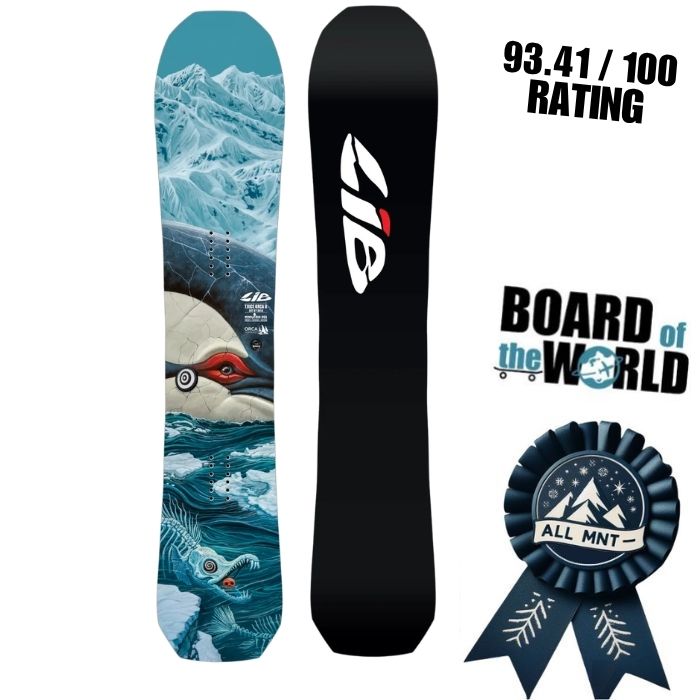
In our all-mountain rating scale, the Lib Tech Orca II earns a 91.15 out of 100 . However, when scored as a dedicated powder board, the weighted review score increases to 93.41 out of a possible 100. This is due to just how well this board floats in deep snow.
| Performance Attribute | Technical Score (Out of 10) | Powder Weighting | All-Mountain Weighting |
|---|---|---|---|
| Powder Float | 10 / 10 | 30% | 3% |
| Ice / Poor Conditions | 10 / 10 | 5% | 10% |
| Resort Riding / Versatility | 9.8 / 10 | 10% | 10% |
| Carving / Turns | 9.3 / 10 | 10% | 10% |
| Final Weighted Score | — | 93.41 | 91.15 |
Technical Performance Analysis: Where the Lib Tech Orca II Excels
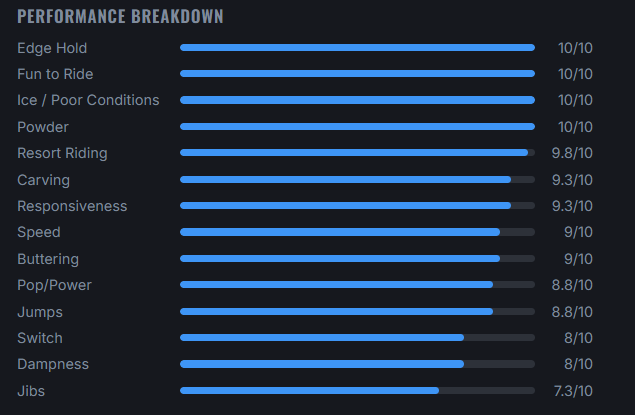
The Lib Tech Orca II earns a perfect 10/10 score in three critical performance categories: Powder Floatation, Edge Hold, and Ice Grip . This technical breakdown shows the board’s rating scores across 13 riding categories. While the Orca II’s performance highlights are for carving and its ability to float, still earned near perfect scores (9.8/10) in most resort riding categories.
Why the Orca II is an Absolute Resort-Pow Boss of a Board
Hands down, the Lib Tech Orca II is a powder specialist through and through. However, don’t let the shape of this board fool you. It’s more than capable of also being a beast of a daily driver, too. The Orca II is built with a wide, volume-shifted shape, a poppy 7 out of 10 flex, and Travis Rice’s signatures C2X hybrid profile that make it playful, responsive, and ready to charge all types of conditions.
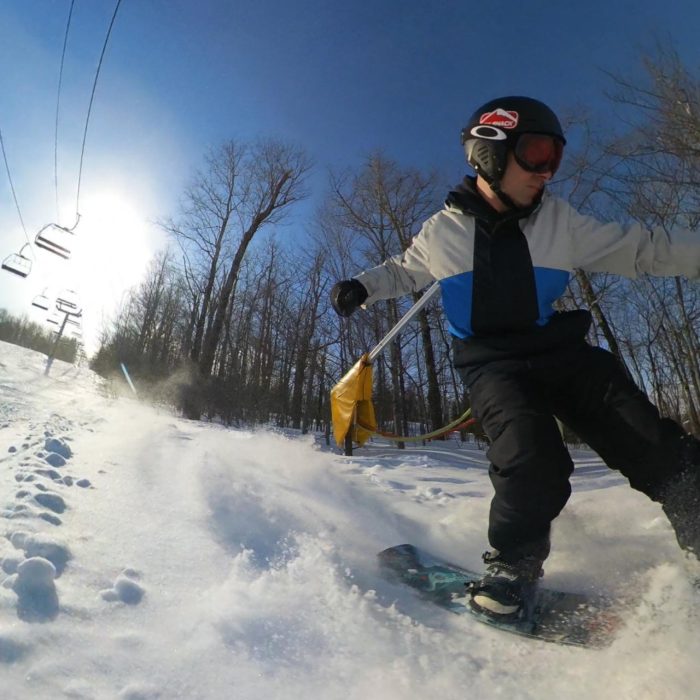
And that’s the real beauty of this deck. It is so versatile. While its the most fun board to have on a pow day, there’s still so much to love about this board even when there is no pow. Thanks to the Magne-Traction® edges , it transitions from a 10/10 floater to a 10/10 ice-gripper the second the trees get tracked out. It’s the right move if you want a dedicated powder board that doesn’t feel too loose when the fresh snow disappears.
The Bottom Line: The Orca II is a 10/10 powder machine that manages 10/10 ice conditions with zero issues. It simplifies your quiver by offering rock-solid stability on the hardpack all while floating effortlessly in deep snow.
What Are the Differences Between the Lib Tech Orca II and the First Generation?
The Orca II includes three main upgrades focused on its shape for better handling, its lighter eco-friendly construction, and a new hemlock core. These changes improve the board’s agility and sustainability without degrading its performance in any way.
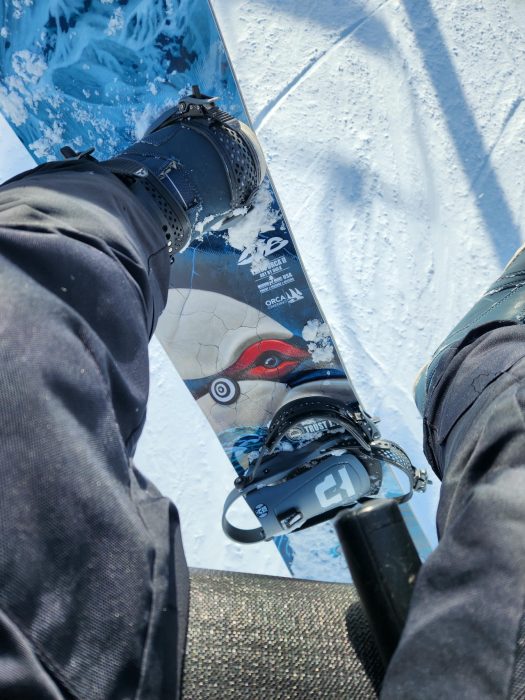
- Upgraded Shape: The nose is now more rounded for easier turning in deep snow and quicker turn initiation on groomers. The new”whale tail” design is now more rounded and softened, which improves its switch riding performance.
- Ocean Bound Top Sheet: This features a new eco-sublimated top sheet that is made from recycled PET plastic collected within 50 kilometers of oceans and waterways. It is milled 0.01 thinner to reduce overall weight while remaining UV stable to prevent yellowing or fading from riding in the sun.
- Makah Hemlock Core: The core now uses Makah Western Hemlock instead of being a blend of 60% Aspen and 40% Paulownia wood. The Makah Western Hemlock is sustainably harvested by the Makah tribe that’s located near the Mervin factory. Hemlock gives the board some added retention strength for response and durability while still giving the boards its familiar 7/10 flex pattern.
The Benefits of the Lib Tech Orca Two
The Orca II features six key benefits that are designed to improve this board’s all-mountain performance and sustainability.
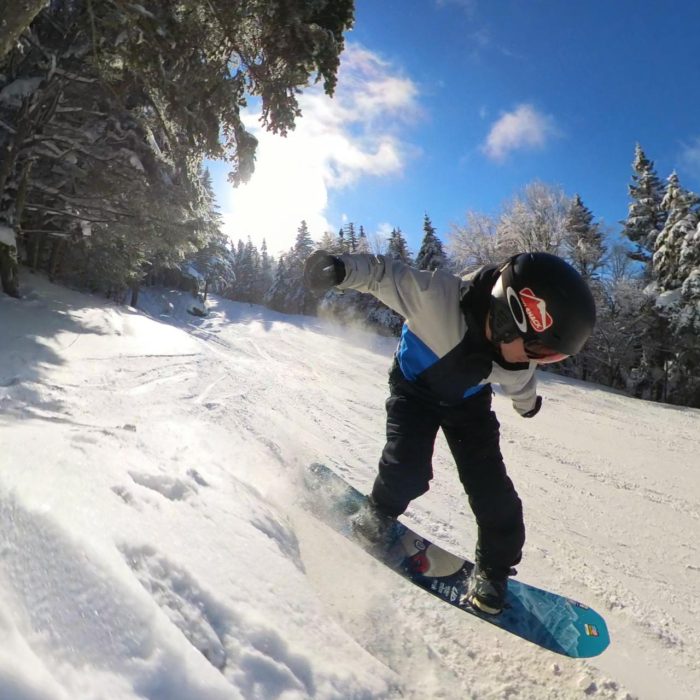
- New Whale Tail Technology: This more rounded tail is now softer and has short-radius. It is designed for “trench-gouging” carving performance and pop.
- Volume Shifted Design: This board is built to be ridden 3 to 6 cm shorter than your standard snowboard size. The extra width gives you extra surface area for easier balance while increasing maneuverability with having a shorter length.
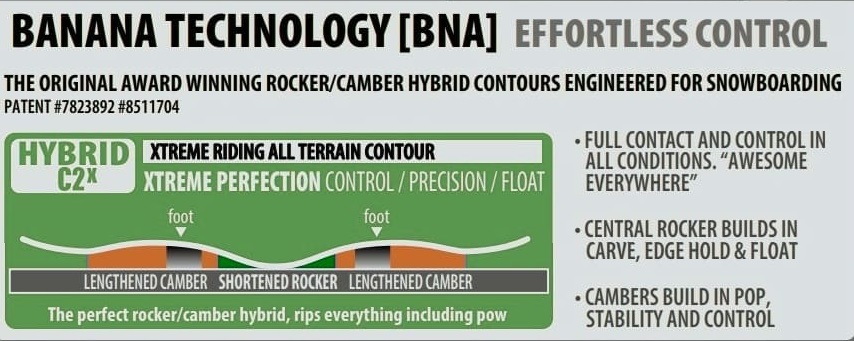
- C2X Hybrid Profile : This profile combines a short rocker from the nose until just after your front foot and then a generous, elongated camber section begins through the board’s tail. This profile offers stability, control, and precision, at high-speeds all while still having a playful, skate-like feel in a board that was built to float in deep snow.
- Ocean-Bound Eco-Friendly Top Sheet: The new top sheet uses recycled PET plastic collected near waterways. This material is milled 0.01 thinner to make the board lighter, increase its durability, and prevent the topsheet’s image from fading in the sun.
- New Makah Hemlock Wood Core: New type of wood (rather than Aspen and Paulownia) that’s sustainably harvested by the Makah Tribe. This type of Hemlock is self-regenerating and offers a better flex, more durability, and better insert pack retention.
- Philanthropic Support for Whales: A portion of every sale is donated to the Orca Conservancy. These funds directly support the protection of Southern Resident Killer Whales.
- Made in the USA: Every Orca II is built at the Mervin Manufacturing facility in Sequim, Washington, near Seattle. This zero-hazardous-waste factory uses sustainable power and water-based eco-sublimation to produce boards without toxic solvents. Mervin offers a high-level quality control a one year warranty against manufacturer’s defects.
How Does the Orca II Perform in Different Conditions?
The Orca II offers a balance of stability and control with an easy to ride, playful feel thanks to it C2X hybrid profile. This is a board that is outstanding in the powder and stable and fun to ride on groomers and ice. It still has a a volume-shifted design, meaning you should ride it 3-6 cm shorter than your standard board size.
During my testing, the most noticeable change was with switch riding or landing switch. Because the tip and tail are more rounded, the board tracks better when you land switch off jumps or need to change direction quickly.
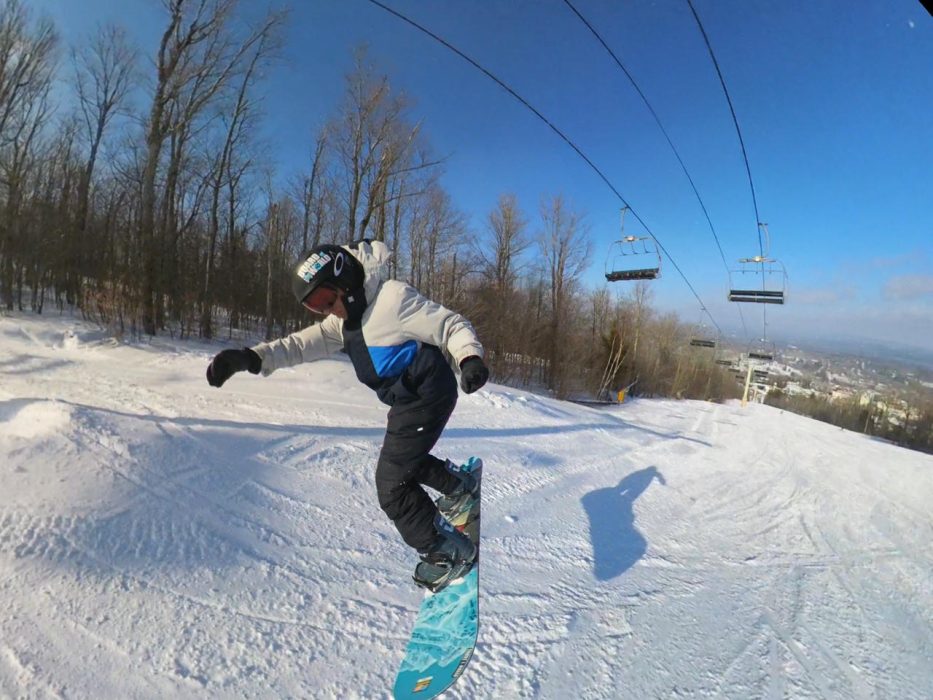
The rest of the updates did not translate into any noticeable performance upgrades for me.
- The weight still feels light, but it always was a light board.
- The Magne-Traction edges still offer that same locked-in level of grip on ice and harder snow.
- While the topsheet is more eco-friendly now that it is made from recycled material, I haven’t noticed any benefits with how that upgrades the ride.
Overall, it’s the tail shape that improved it.
| Feature | Orca I (Original) | Orca II (New) |
|---|---|---|
| Tail Shape | Traditional Whale Tail | New Rounded Whale Tail |
| Top Sheet | Standard Eco-Sublimated Topsheet | New Lighter Ocean-Bound Recycled PET Topsheet |
| Core Material | 60% Aspen / 40% Paulownia | Makah Western Hemlock |
| Switch Riding | Capable but Directional | Improved Switch Riding |
Is the Lib Tech Orca II Worth the Price to Upgrade?
Yes, but for the right rider. If you’re looking for an all-mountain / powder board that is versatile enough to ride versatile anywhere and everywhere, all while making snowboarding feel like it is a little bit easier, you’ll love the Orca and the Orca II.
Do You Really Need to Upgrade to the Latest Version of the Orca II?
For most riders, probably not. It depends on how much you’ll be landing switch. I don’t think the original Orca is that bad at riding switch. It’s just more suited for the rider who spends around 90% of their time riding in their dominant stance. If that sounds like you, too, then you can just save the additional $190 and get last season’s Orca while its on sale for $560.
So, What Type of Rider Should Upgrade to the Orca II?
The Orca II is designed for the all-mountain rider who needs a high-performance deck that is exceptional in powder and still capable of landing switch. While the Orca Two is equally as strong as the first version of the board, it offers a specific tail upgrade that improves its switch riding capabilities.
If you find yourself riding switch closer to 30% of your time or more, I recommend upgrading to the Orca II over the first version. The more rounded-off, and softer, tail give the board a more balanced feel when riding in your opposite stance. This makes the Orca II the better choice for riders who want more of a freestyle feel into their all mountain and powder sessions.
Is the Lib Tech Orca Still Good Board When There is No Powder?
Yes, both the Lib Tech Orca and Orca II have features that make them incredibly versatile and ready to ride even when there is no powder. Both boards have a tighter sidecut, volume shifted shape, and C2x profile make them stable, yet nimble cruiser boards on groomers. They also have Magne Traction serrated edges give them an extraordinary level of edge hold on ice and hardpack.
While some of my favorite days snowboarding were spent on this snowboard charging through powder, I’ve also had fun on this board cruising through the rain when conditions were atrocious.
Both the Orca and Orca II are some of my favorites and you’ll see that reflected in my review scores for them. They rate higher in their category on this website than most other boards.
With that being said, the improvements from the Orca’s first version to the Orca II are subtle and most riders won’t notice a difference.
If you want to learn more about the foundation of this board, you can read my full in-depth Lib Tech Orca review to see why I love this design so much.
Finally, I am an East Coast rider who owns the 2025 Orca in a 150. It is my dedicated powder board and my favorite non-camber option. My only grievance is that the base can be prone to gouges if you use it for jibbing, as it is not designed for park rails. For everything else, from carving hardpack to floating through trees, it is a masterpiece.
Where to Buy the Orca Two?
Images from the Review
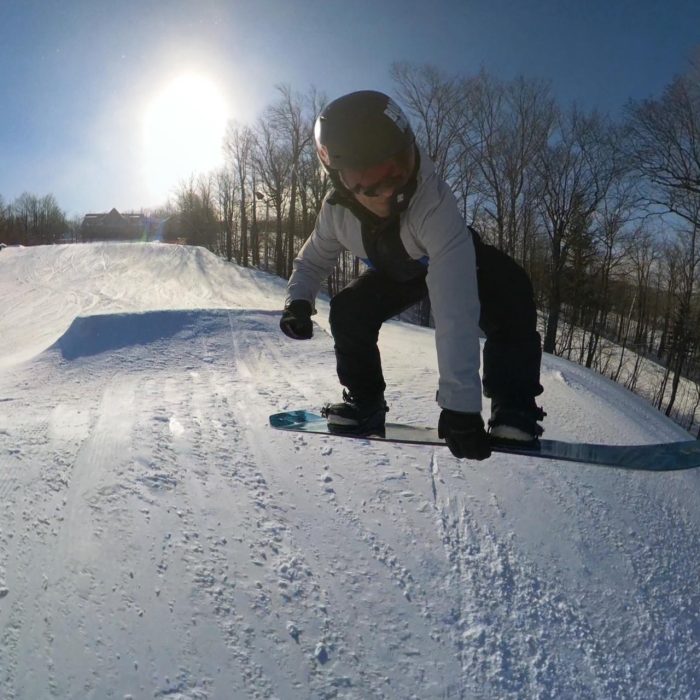
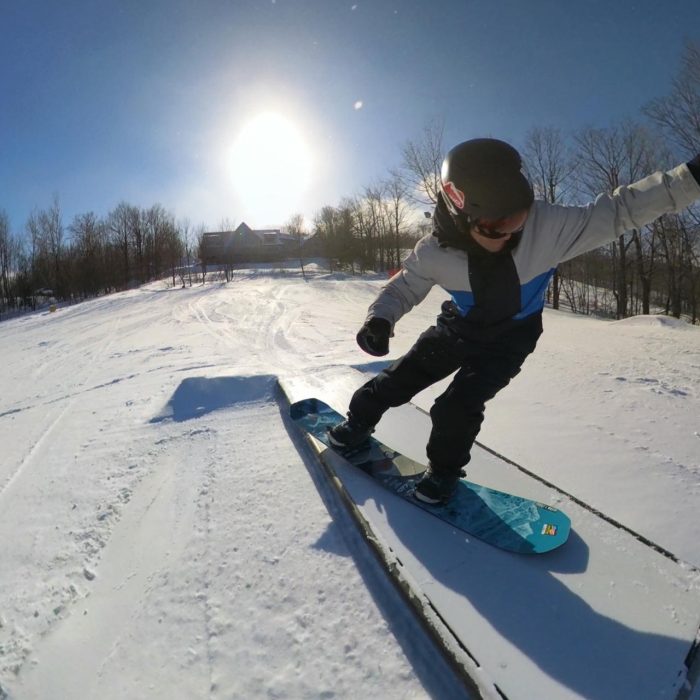
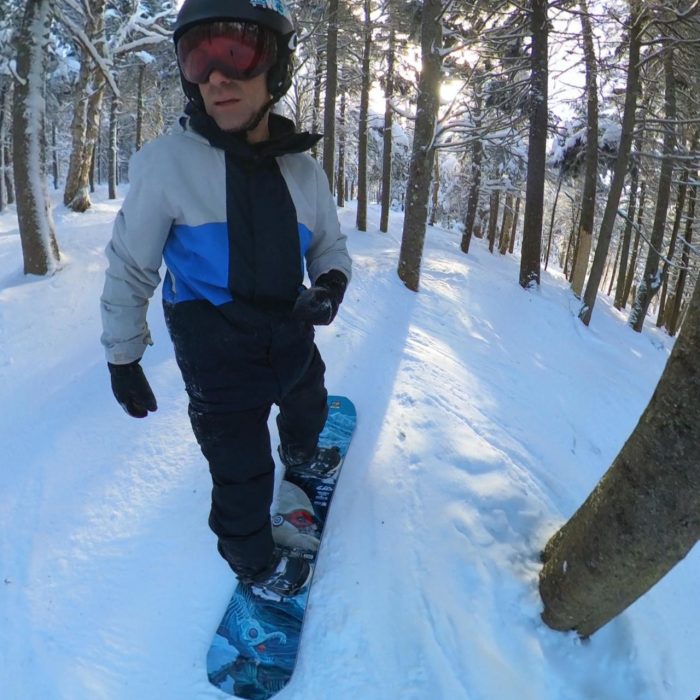
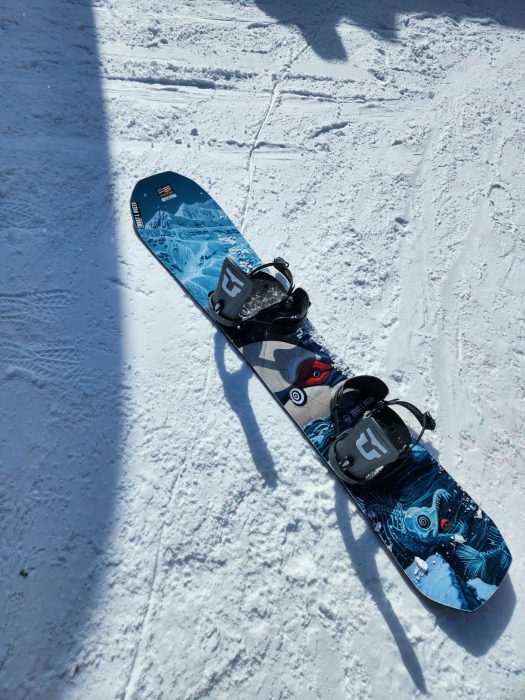
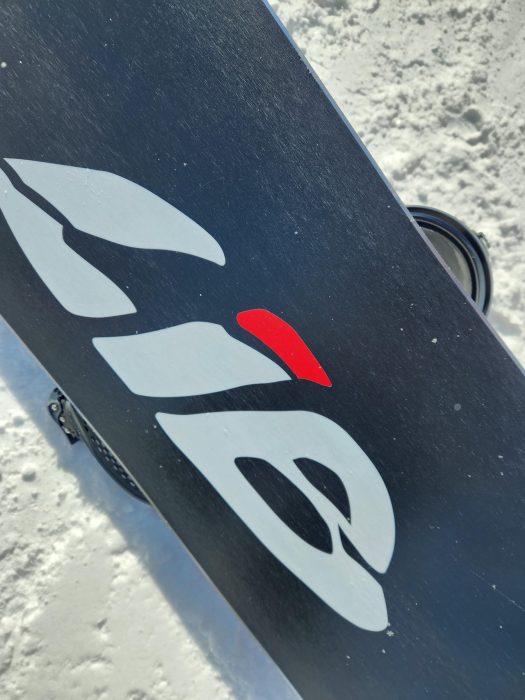
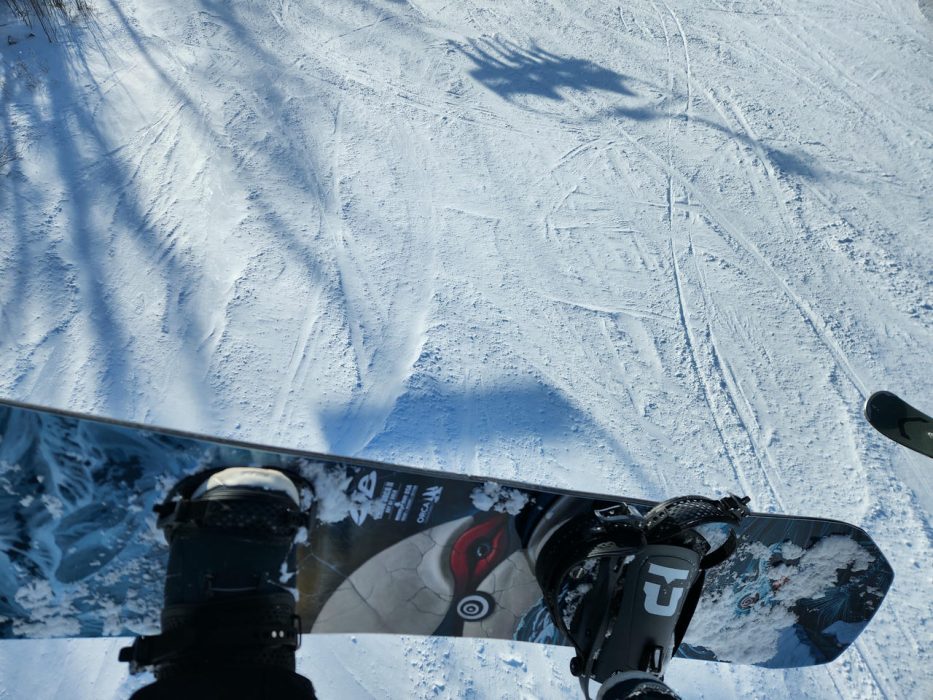
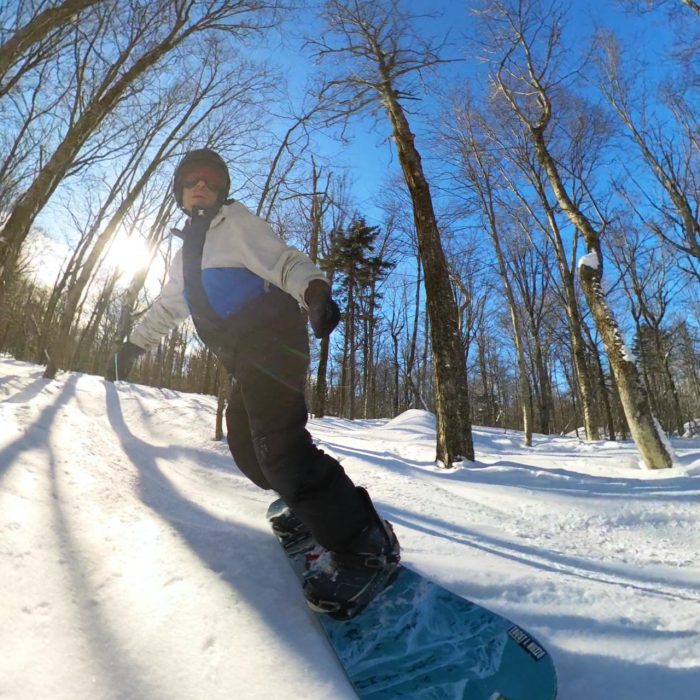
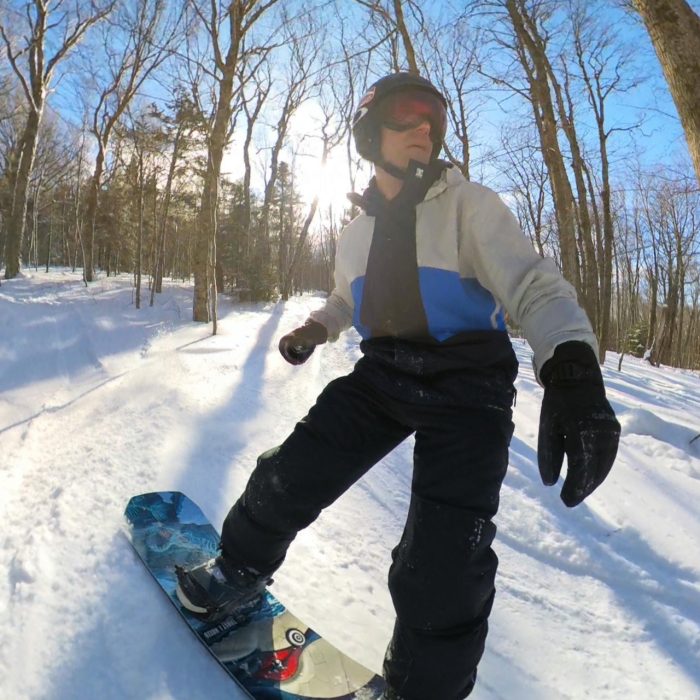
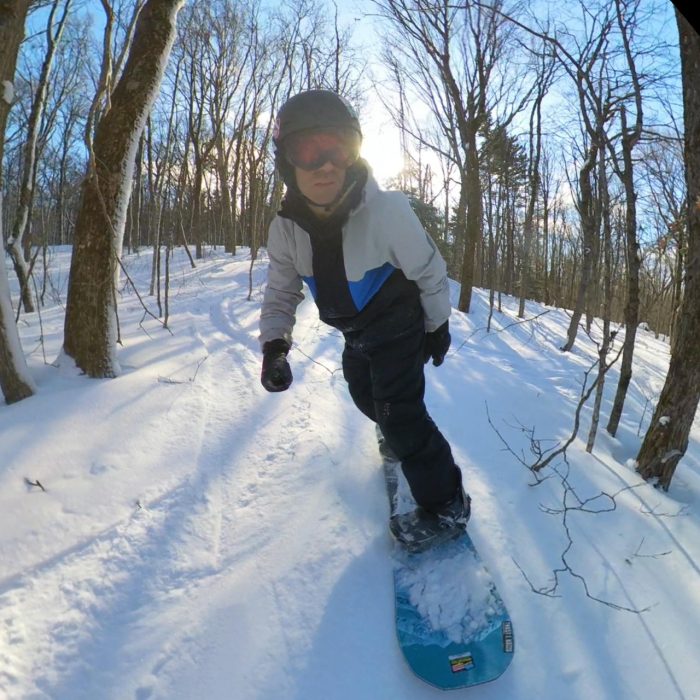
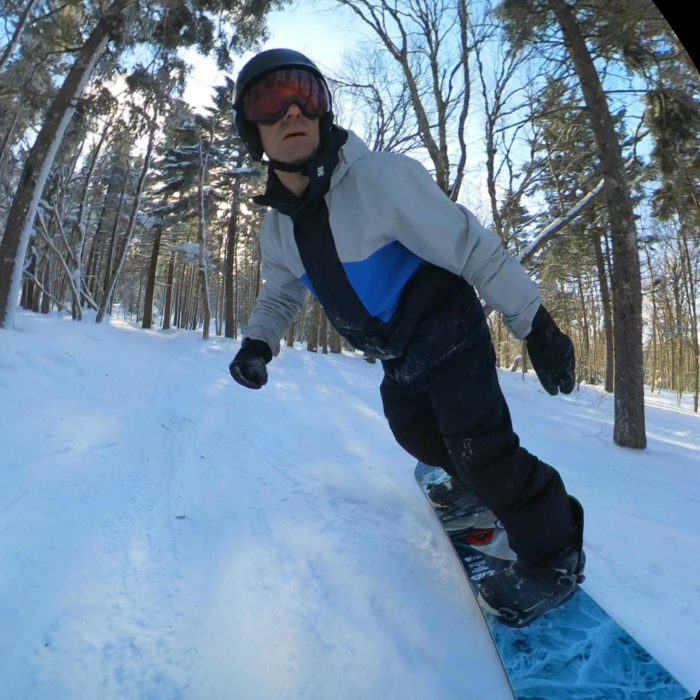
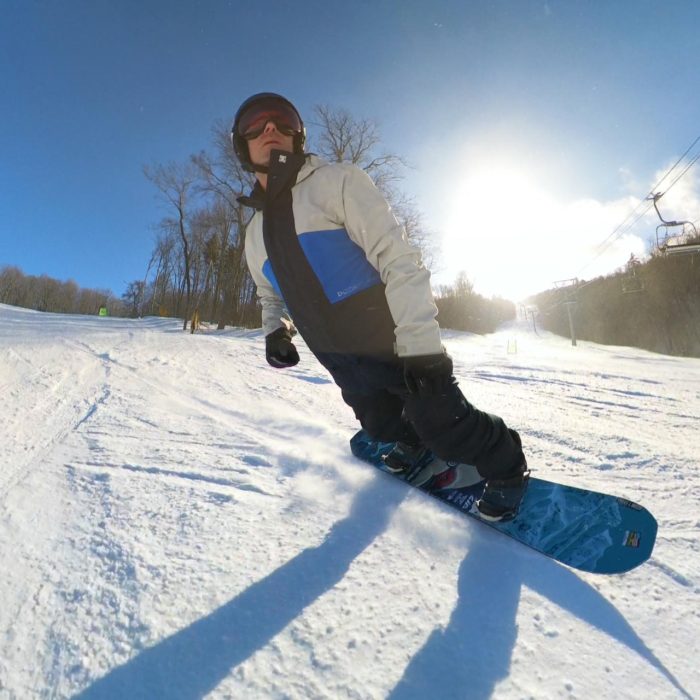
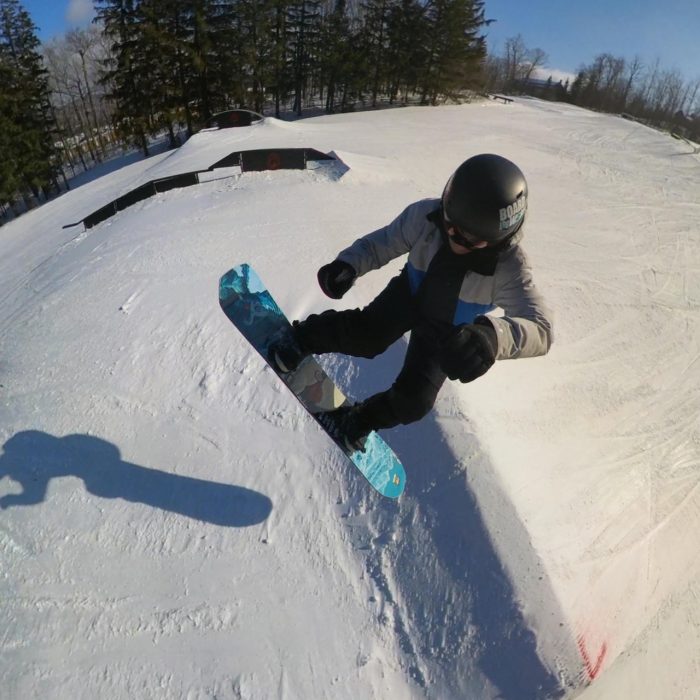
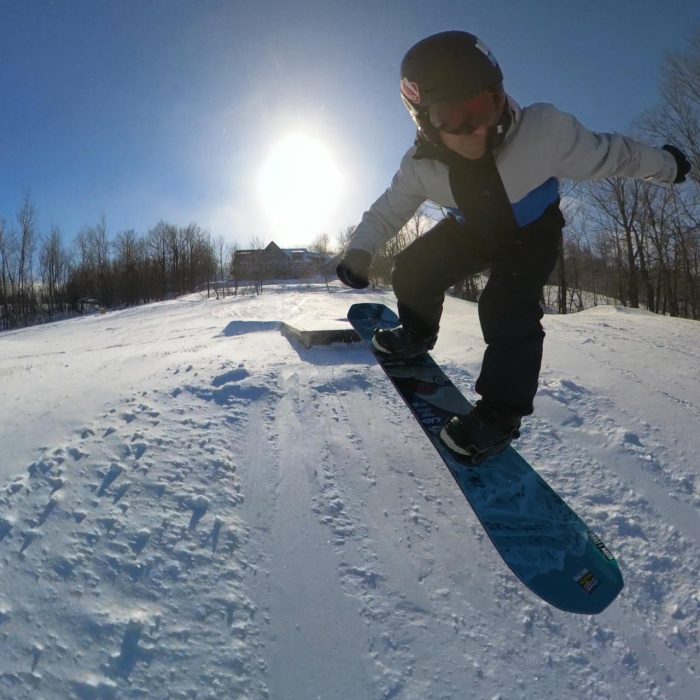
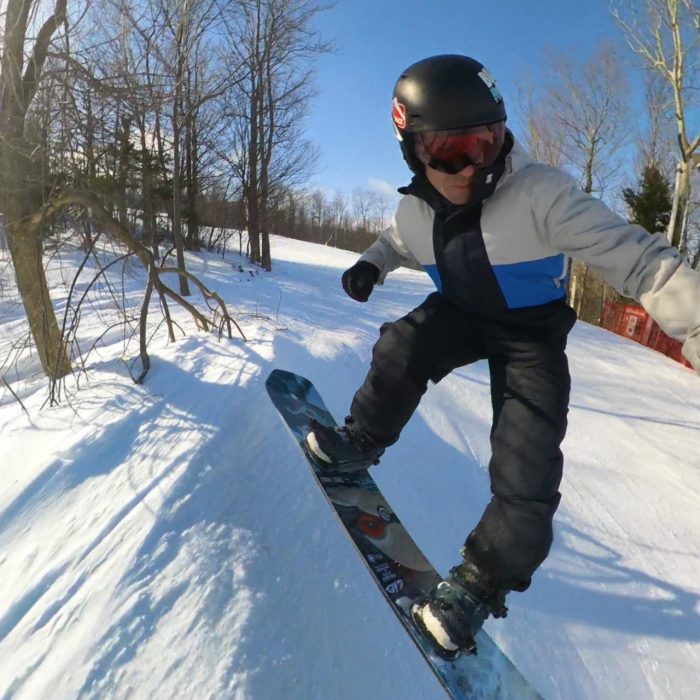
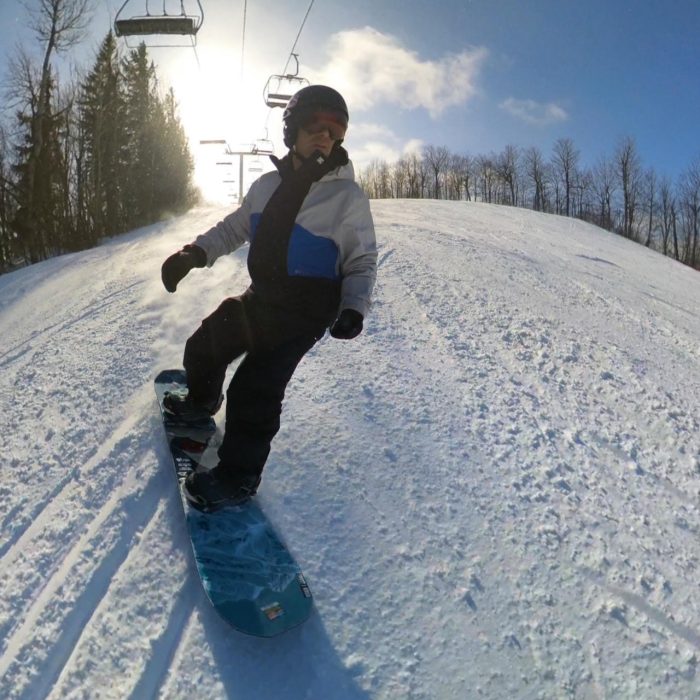
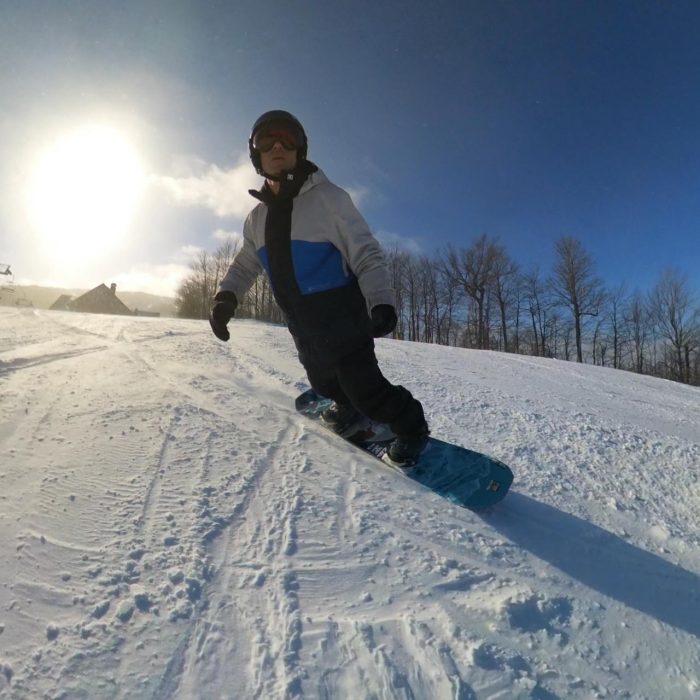
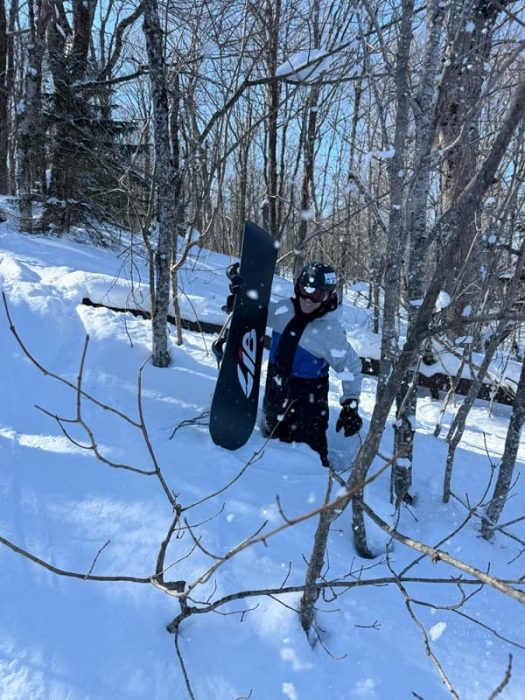
Here are some images of me riding the Orca II in Vermont.
About the Reviewer
Rider Name: Steve Weber
Home Mountains: I tested this deck in Stratton, Vermont in early February of 2026. I rode this deck in all conditions from fresh powder to groomed runs and a few ice patches.
Size and Model: The board ridden for this review was a 2027 Lib Tech Orca II in the 156cm size. I also owns last season’s Lib Tech Orca in a 150cm size and previously owned an older Orca in the 153cm size. In gernal, the Lib Tech Orca feels more stable as the size increases. However, I think its the most fun to ride in the smallest size that you’ll fit on. For me that’s my 150cm size. The perk of this board is that you can size it down up to 6cm of your usual size. I usually ride a 154cm and sizing down by 4cm felt best.
Rider Weight: 144lb
Rider Height: 5’6”
Bindings: 2026 Union Force
Boots: Thirty Two STW Boa Boots in a US men’s size 9.
Rider Age: 42
Why Trust This Review?
With over 15 years of park riding experience here on the icy East Coast, I know what it takes to have a safe and fun time out on the mountain. I’m an intermediate park rider who can relate to riders of all skill levels. I’ve been writing in-depth reviews just like this one for the past four years, and my main goal with this review is simply to help you find the right board.
I write these reviews as a “for the fun of it” project. They are as unbiased as I can be for someone who tends to ride in an area with icier conditions. You can support this project by making a purchase through any of the links in the post. They point to the lowest offer for the board, don’t cost you anything additional, and tell the retailer I sent you.
Thanks for reading! Please leave a comment below if you have any questions.
Any Questions
If you have any questions feel free to leave them below in the comments or ask me a question through the new Board of the World app here.

Steve Weber is the passionate snowboarder, skateboarder, and author behind Board of the World. He understands that most gear reviews focus on having the perfect snow conditions, but his testing methodology is different. Living in Pennsylvania, Steve describes exactly how a board performs when the conditions aren’t perfect. His reviews cover performance on ice, hardpack, and flat-out brick conditions. In other words, he reviews boards for the conditions that East Coast riders actually face.
Bringing 27 years of East Coast snowboarding and 21 years of skateboarding experience, Steve is a 42-year-old intermediate park rider. His recommendations are informed by decades of battling icy conditions, ensuring every review accounts for the board’s performance on the roughest of terrain.
For the last five years, Steve has poured his passion into writing in-depth, unbiased reviews that help riders make informed decisions about the gear they’ll use. He also works part-time at a snowboard shop in Northeastern Pennsylvania, which gives him a direct line to learning about the new gear tech months in advance. When he’s not writing reviews, Steve is often found riding at Montage Mountain and testing out new boards.
Steve’s goal with Board of the World is simple: to help every reader find the right gear so they can have fun outside from the first time they use it.