
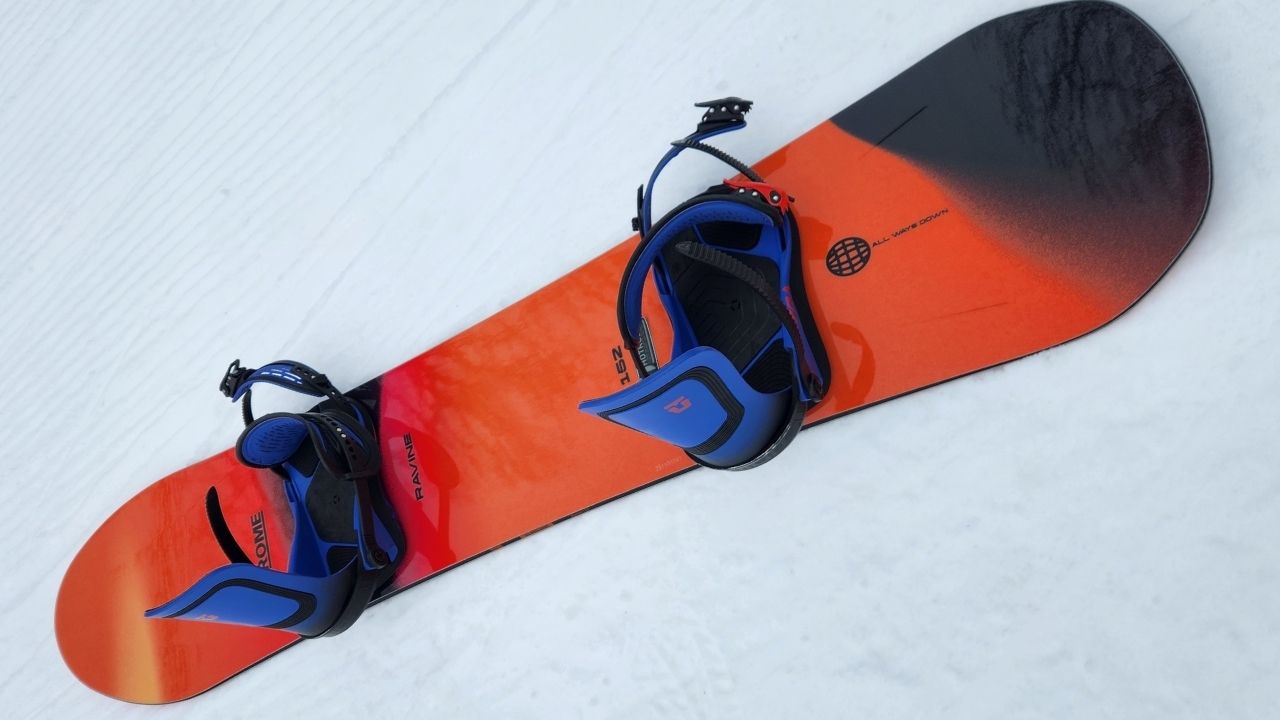

The Rome Ravine 2026 is a directional all-mountain board that solves the real problem of “I want a powder board to add to the quiver, but I want to actually ride it even if we don’t get snow” that us East Coast riders actually face. And that’s exactly what this board does.
The Rome Ravine is a powder-ready all-mountain board that you will actually ride rather than having it collect dust as it rests against the wall while you wait for the conditions to be just right.
The Ravine floats in deep snow just like a dedicated pow deck, but it also rips on groomers like a high-end daily driver, and jibs and jumps phenomenally well, too.
If you are looking for a surfy, yet stable board that allows you to hunt for hidden powder stashes but still hit every inch of your local resort, the Rome Ravine is absolutely one to check out.
What’s Upgraded for 2026 Ravine Snowboard?
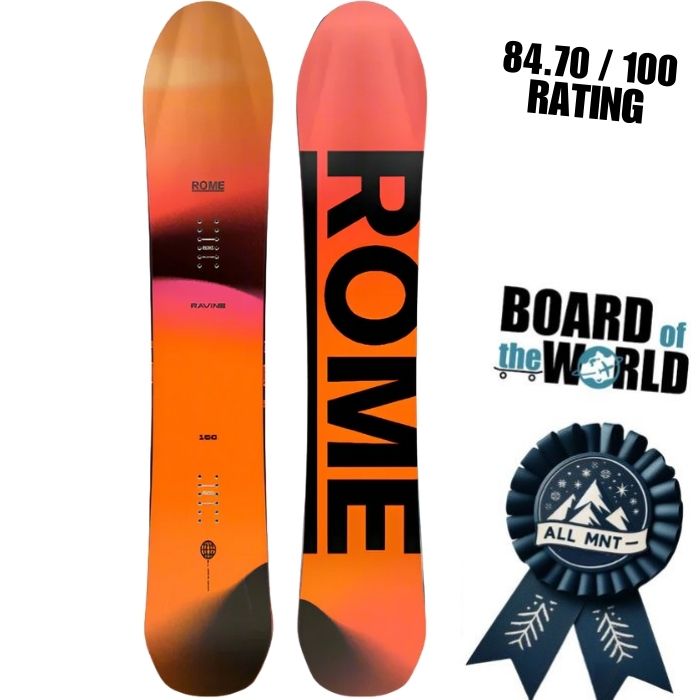
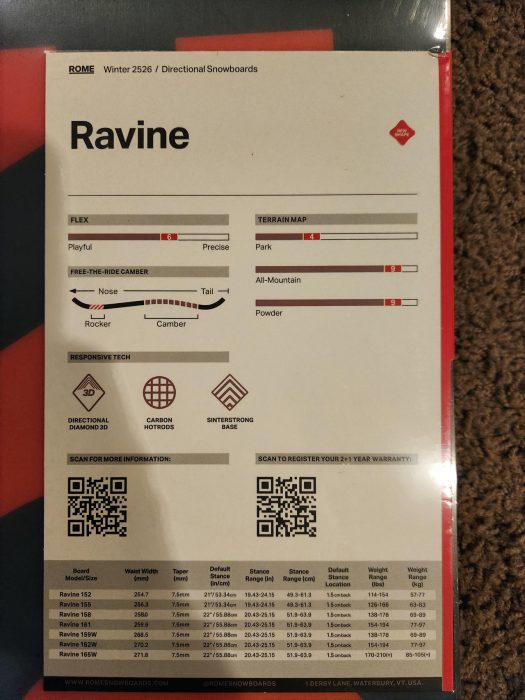
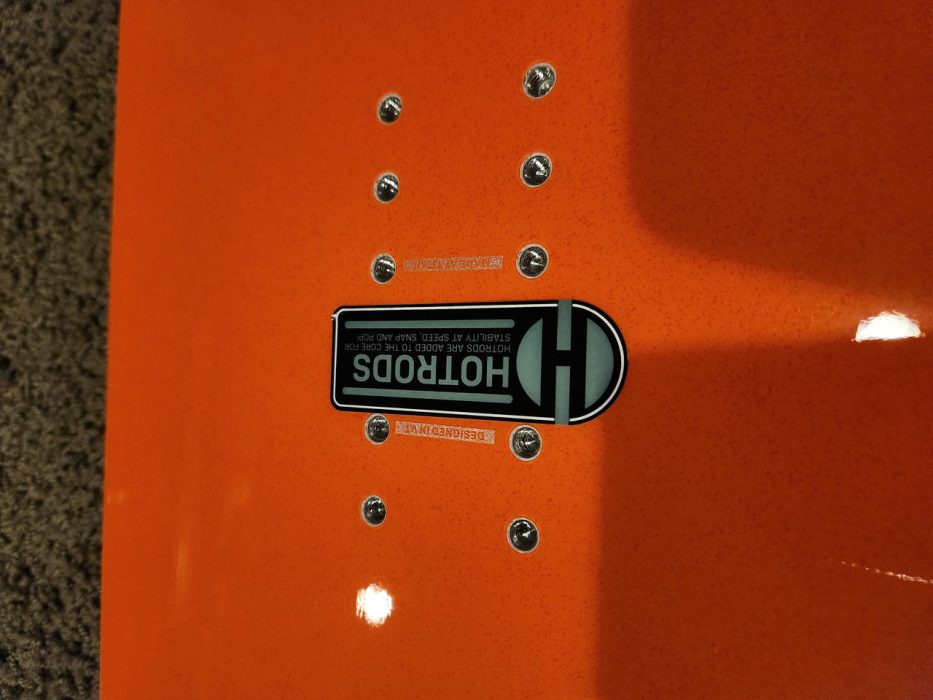
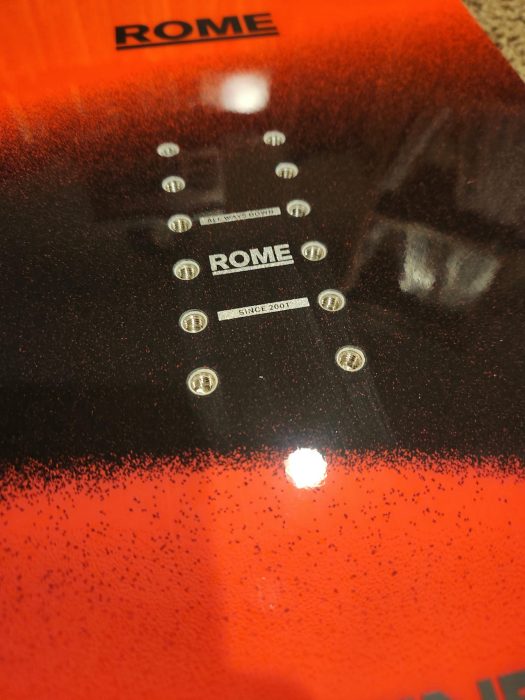
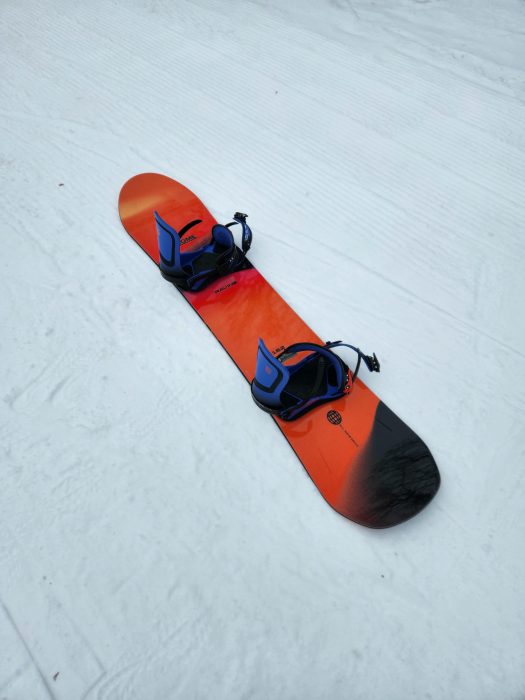
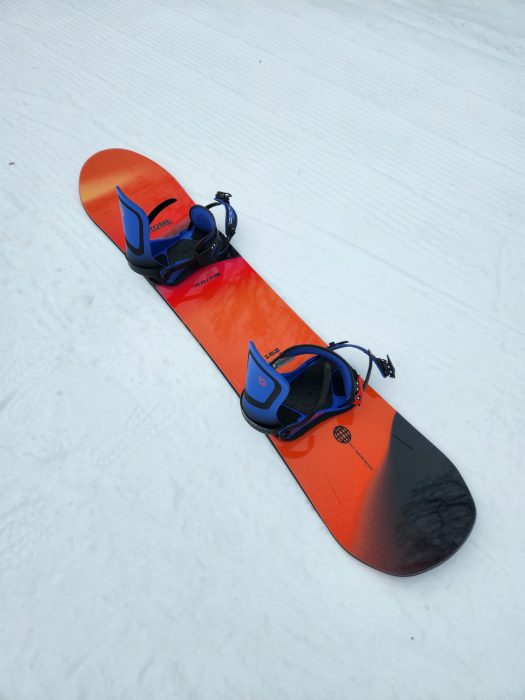
The Rome Ravine was completely reshaped for 2026 season. Now it features the Directional Diamond 3D shape (its nose is more rounded with a spoon contoured with the very center still left flat like an arrow, and the end of the tail is more rounded with carbon two carbon hot rods added in for additional pop.
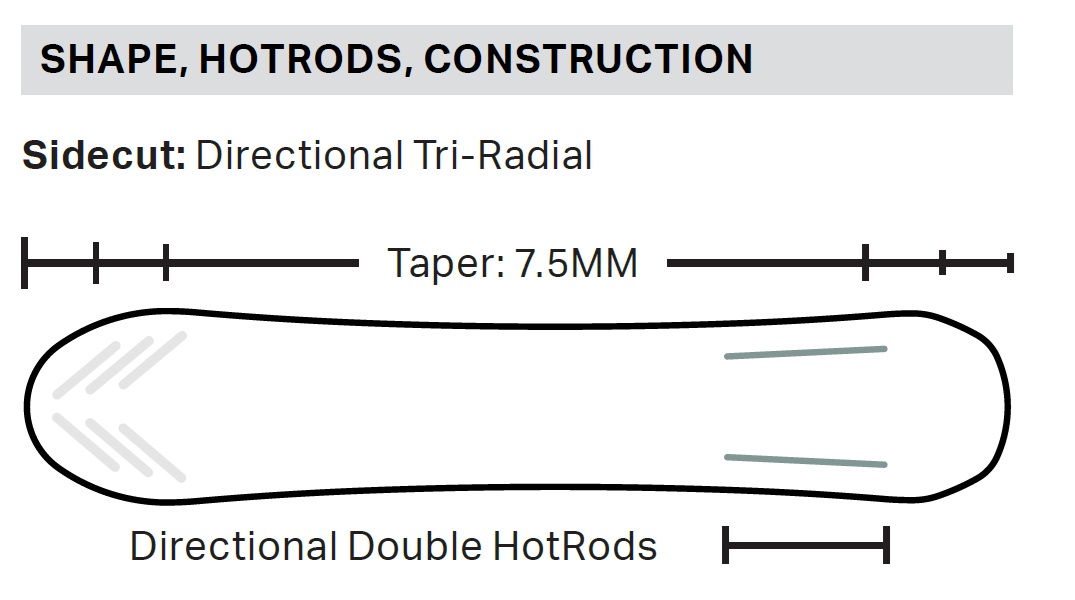
The 2026 Ravine also has a 0.29 inch (7.5mm) taper and a 0.59 inch (1.5cm) setback stance with a camber profile that’s set back to match.
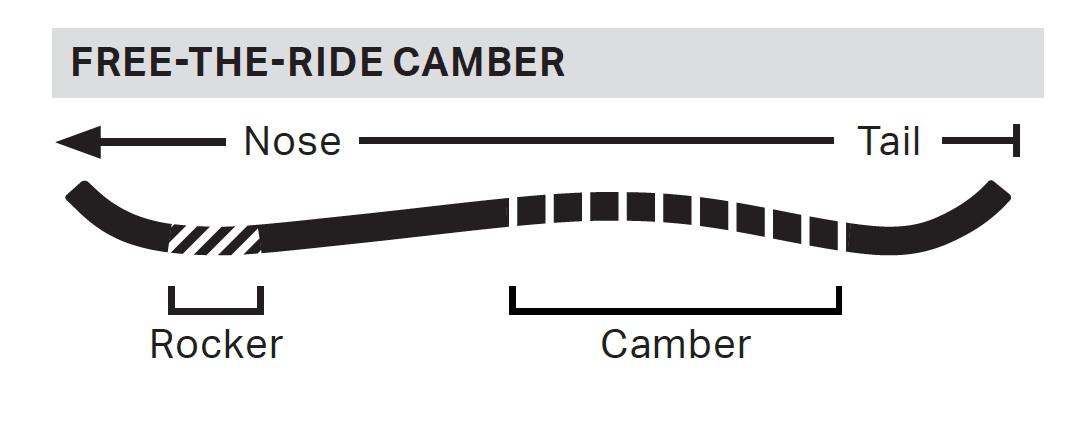
It now has a setback camber profile where its rocker in the nose is flat under your front foot, and then it goes to a generous camber section through the back foot through to the tail.
The New Shape Makes It More Versatile & East Coast-Friendly
Here is the reality for a lot of us here on the East Coast. We see your videos, and we want to surf in pow, too. But we buy a designated pow board, and it just rests against the wall 95% of the time until the conditions are perfect to ride it. The Rome Ravine solves this because it’s designed differently. It is a versatile all-mountain board first, that just happens to be amazing in powder whenever you get the chance to ride in pow.
The nose is spooned (3D shaping), which does two things: it makes the board float effortlessly in powder (I found a stash on the right edge of a trail, and it stayed right on top), and it helps the board power through uneven terrain without hooking up. You can use the Ravine as your daily driver on groomers, and when it finally snows, you’ll also have the right board for those conditions, too.
Summary of Board Specs
| Consideration | Rating | Notes |
|---|---|---|
| Flex | Rated Medium Feels 4.5/10 (Nose) – 5/10 (Tail) | Pressable medium feeling flex all around. Slightly softer, longer nose 4.5/ 10 flex rating with a 5/10 tail and 5/10 torsional flex. |
| Pop | 9/10 | Outstanding pop from the tail. The Hot Rods give this an extra blast of pop, specifically off the tail. The nose has a pop that feels about average. |
| Ice Edge Hold | 8/10 | Good grip on ice, but lacks serrated edges, so you need to keep your edges sharp. |
| Resort Riding | 9/10 | Stable, surfy feel that is fun to carve with. A fast and versatile board that can do it all very well. |
| Float / Powder | 9/10 | The 3D spooned nose and set back stance make it float effortlessly and helps you power through uneven terrain. |
| Jibs/Jumps | 7/10 (Jibs) 9/10 (Jumps) | Jumps are the highlight due to the pop. It jibs decently, but the base is a pinch soft so beware of burrs and screws on the features you hit (easy to repair with ptex either way) |
| Weight | Noticeably Light | Feels very light underfoot, adding to the maneuverability in the air or to carve with. |
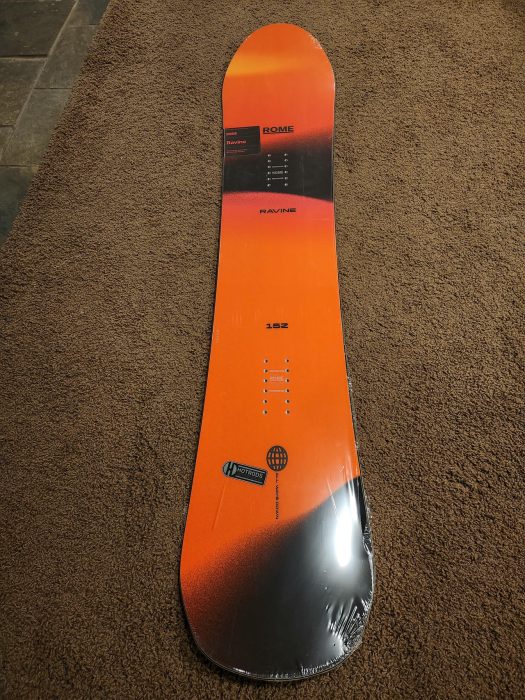
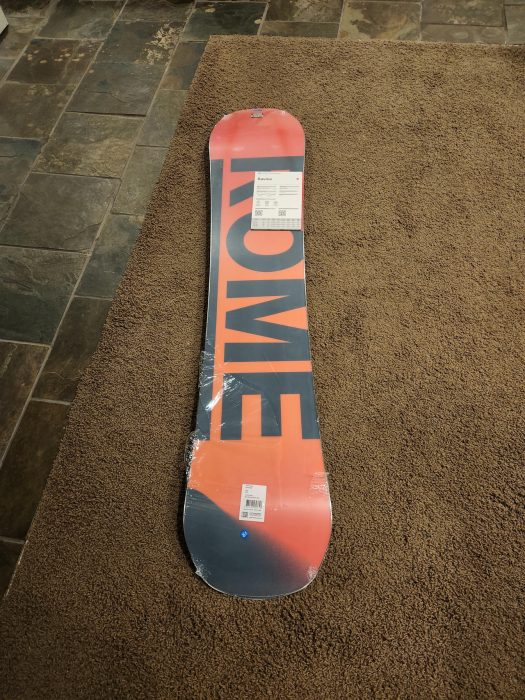
Board Reviewed: 152 Rome Ravine 2026
Price of Board: $479.96
How the Price Compares to Others:
The Rome Ravine costs $11.95 more than the average snowboard price of $468.01.
Our Rating Score: 4.235 out of 5
How the Rome Ravine Ranks Against Others:
Ranks 30th out of the 38 boards reviewed in the all mountain category.
Review Video Summary
How the Rome Ravine Rides
With the board’s new shape, it feels like a cruisy, surfy ride, while still feeling stable enough to carve aggressively when you want to. Its spoon-shaped, longer nose allows it to power through most uneven terrain, so you’ll feel more confident to charge on it as it plows through everything.
With the nose being longer and softer, it does chatter while you get it up to speed, but the dampening in the construction does a decent job of dissipating most of those vibrations before they are felt under your front foot.
This board’s shape makes its effective edge feel longer than it actually is. You get the benefits of having a really stable feeling board that can also float, power through uneven terrain, and turn in any direction, at any moment, with very little effort. It’s also very light and softer flexing torsionally (from toe to heel), so you can foot-steer and change direction on a dime whenever you need to. This makes it feel more maneuverable than most other boards in the camber directional all mountain board category, so whether you’re trying to carve through tight trees or trying to hit every feature in the park, the newly shaped Ravine has got your back for that.
Carving and That “Hot Rod” Pop
Carving is a highlight with the Ravine. The spoon-shaped shovel nose is good for uneven terrain, powering through most chop, while the camber profile (set back camber between the feet with wide rocker in the front) keeps it locked in.
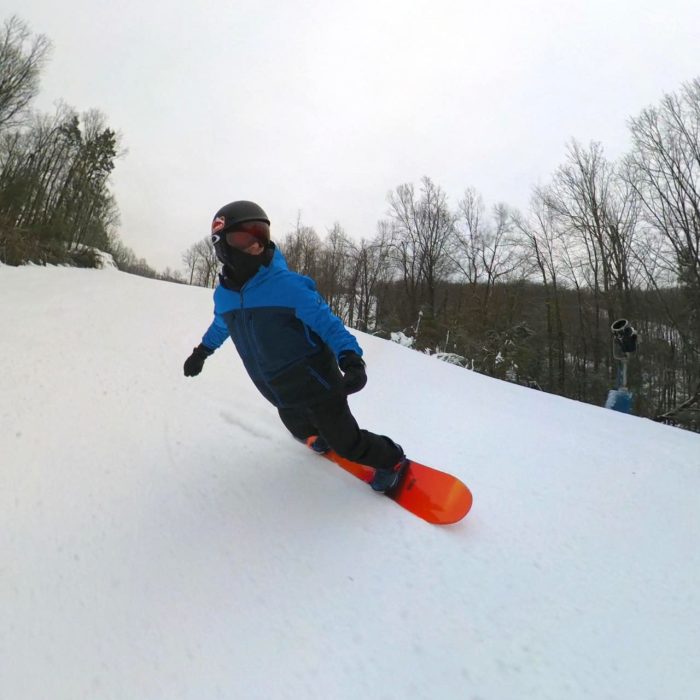
What makes the carving exciting is the “Hot Rods” tech in the tail. It gives the board a massive boost of power out of turns. When you load it up and shift your weight just right as you come out of a carve, you get an extra boost of speed that you can use to your advantage to power through flatter sections.
The new shape of the Ravine makes for a stable platform that’s easy to balance, where you can carve aggressively or ride it casually. Either feel great. It’s worth noting that it’s an easy board to ride from day one, but it took about 8 hours of consistent riding to master its nuances and where you shift my weight.
The Ravine’s Tri-Radial Sidecut Pairs With Hot Rods to Slingshot You Out of Turns
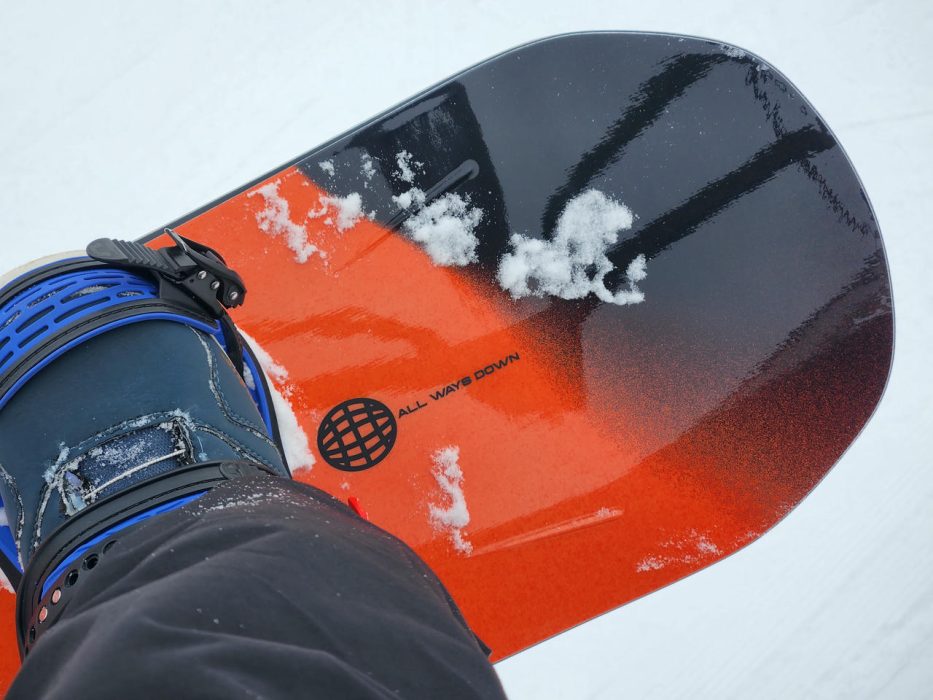
The Rome Ravine’s progressive sidecut features a blending of three different radii to give the board an easy turn initiation while still maximizing its edge hold. When you pair that sidecut with the tapered setback shape and the explosively snappy Hot Rods in the tail, you get a board that enters turns effortlessly and then slingshots you out the other side for more speed, leaving the carve than what you entered it with.
Park Performance: Jumps vs. Jibs
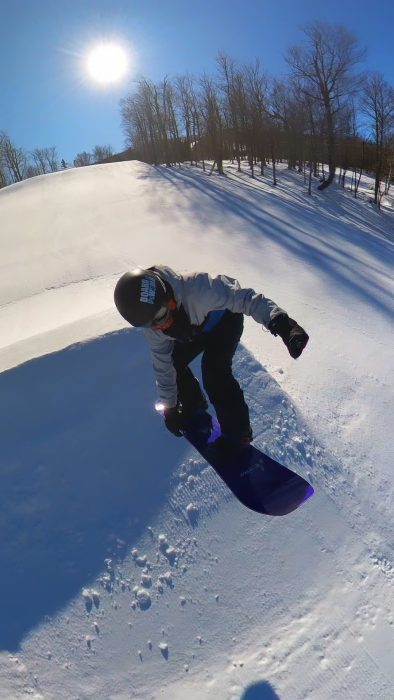
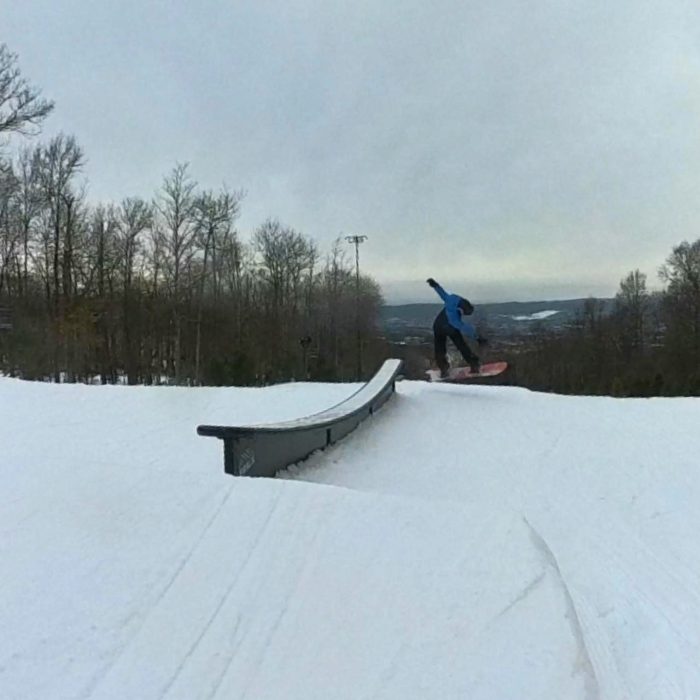
While this is a directional board, it holds its own in the park, largely thanks to that boost of pop I mentioned earlier from the carbon hot rods.
Jumps:
This is a board that will boost you off jumps, side hits, and rollers. You won’t need to load it up much either. The Hot Rods in the construction give the tail an extra 15 to 20% boost of snap compared to a standard board.
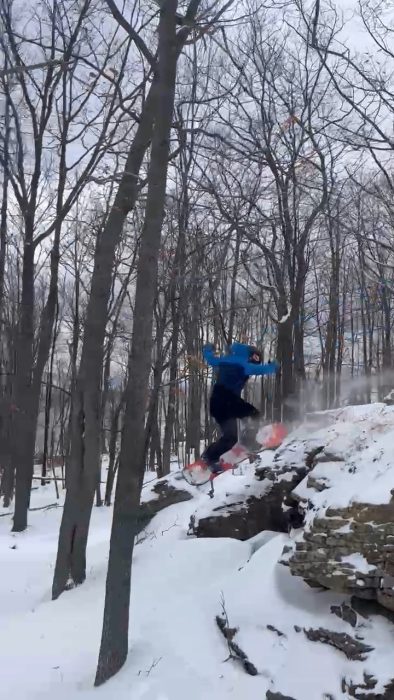
It also makes a few things easier when you land. If you’re slightly tail heavy, the hot rods put you down in a more centered, planted stance over your bolts. And the 3d shaping in the nose helps it be more forgiving if you’re slightly off-axis, you can just adjust and ride away clean.
You can land, take off, and pop switch. It’s a directional board that’s better in its regular stance. (So you will likely ride for a few seconds, switch, and then want to turn around.)
Jibs:
Despite the directional shape, this board jibs decently well, too. The hot rods in the tail made for a stable platform to slide tailslides and bluntslides, and they give you a bit of a boost out of the feature to get an extra 180, and the flat spot under the front foot is great for board and slip slides.
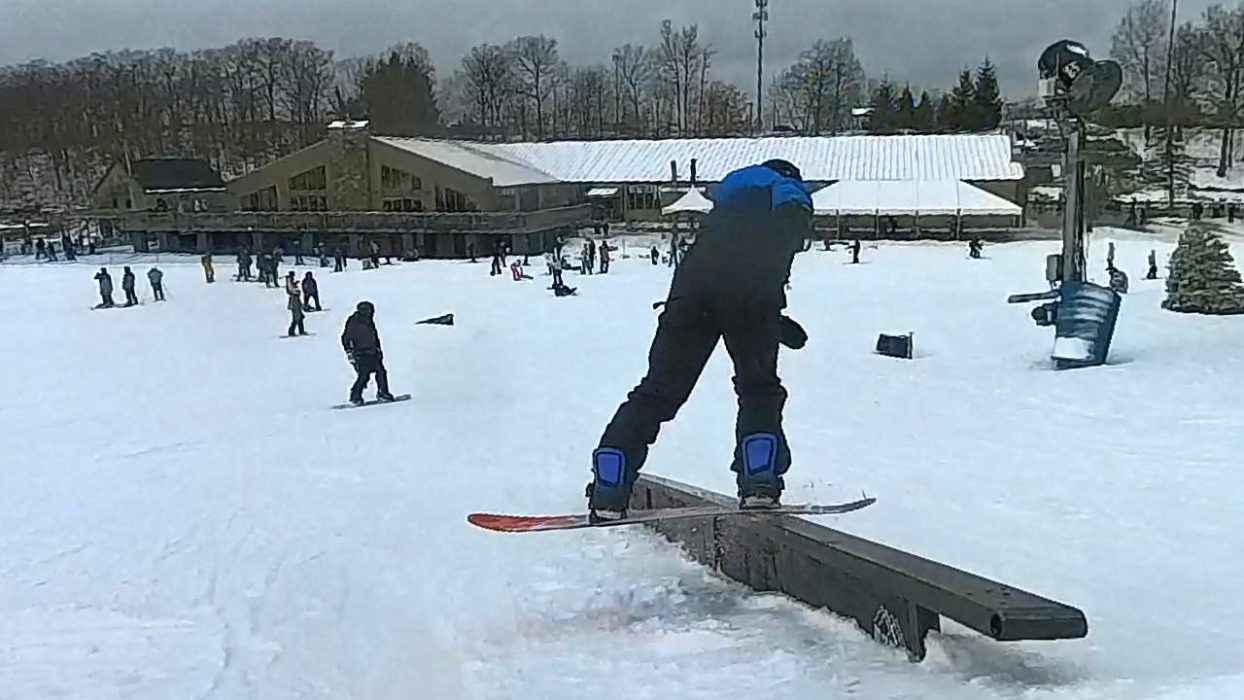
My favorite part about jibbing with the Ravine is that you get such a locked-in nose press. The longer nose just wants to press everything in sight, and since it’s softer, you won’t need to put much effort into it.
Base Speed and Durability
The Sintered Strong Base on the Ravine is faster than average (8.5/10) and holds wax very well. I found it to be incredibly quick on the flats and more than fast enough to get from feature to feature in the park.
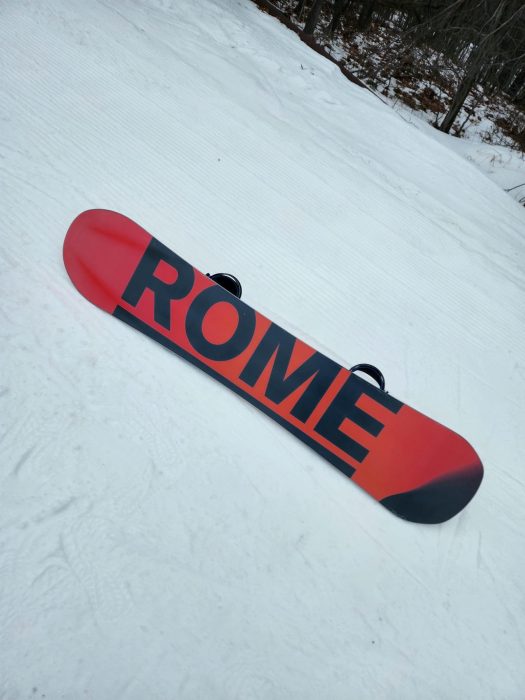
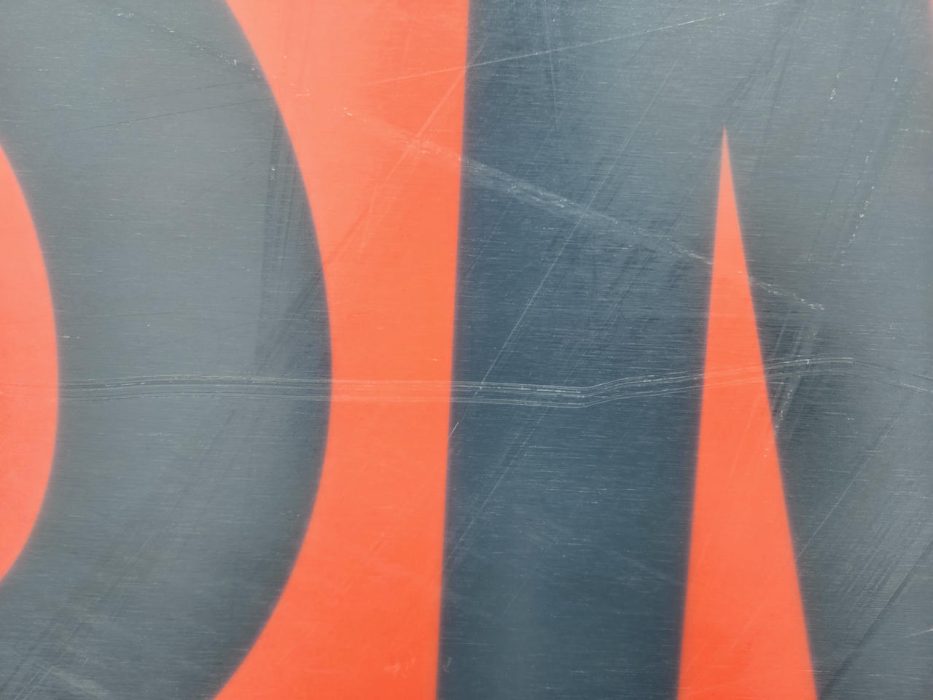
The main thing to know about the base is that even though it is built to be fast, it is a pinch soft. I still managed to give it a few battle wounds in the early rough conditions of Pennsylvania. It is durable to a point, but you’ll want to watch out for rocks and any jib features that might have a screw sticking up. I hit an early-season feature with a screw sticking up slightly, and now my base has a nice scrape wound that I carry with me. It’s not bad enough to need P-Tex, but it is worth noting that the Ravine’s base is faster than it is durable, so always remember to scope out those jib features before you hit them.
If you’re looking for an even faster and more durable base, consider upgrading to the Rome Ravine Pro (it’s $70 more at $669.95). The only thing to know about the Pro version is that it is around 2 points stiffer (7/10 flex), so it’ll take a little more muscle to lock into jib features.
Switch Riding With the Ravine
Switch riding with the new shape of the Ravine worked “well enough.” It is still very much a directional board, so it is for the rider who spends about 80% of their time in their dominant stance.
It works well for taking off and landing, switch on jumps. I gave switch riding a score of 7/10 because the overall switch feel just feels average, where in your regular stance, this board feels outstanding to ride. Because there is such a contrast in the feel of the ride, you’ll likely find yourself reverting back around after three or four turns.
The directional shape, setback stance, and spoon nose just want this board to ride forward and blast through every mound of powder, slush, or ice chunk in sight.
Pros:
- Versatile All Mountain Directional Deck: Perfect for the rider who rides groomers but wants a board that is phenomenal in powder whenever the snow falls.
- Massive Pop: The two carbon hot rods in the tail give this board an extra provide an extra 15 to 20% blast of pop for your ollies.
- Surfy Feeling Carve That Can Charge Too: This board is fun to carve with. It has a unique, cruisy yet powerful feel coming out of turns that gives you a boost of momentum when you time it and shift your weight into it just right.
- Spoon Shaped Shovel Nose: Excellent float and ability to power through uneven terrain/chunder.
- Lightweight: This feels noticeably light underfoot.
- Jibs Well Better Than Most Directional Boards: This feels balanced and pressable on features. It gives you a nice boost off rails to get that extra 180 out.
Cons:
- Not Beginner Friendly: While this board is forgiving, it isn’t beginner friendly. It is best for intermediate riders and up.
- Base Softness: The base is fast but a little soft, so it can gouge if you hit rocks or a loose screw on a park feature. It holds ptex well, so it can be repaired easily.
- Price: It runs about $56 more than the average board, though there is a lot of board tech and versatility here for its price.
- Top Sheet Durability: The bright top sheet shows lift line knicks and battle scars visibly.
Comparing the Rome Ravine vs the GNU Gremlin
If you are looking at the Ravine, you might also be looking at the GNU Gremlin. Both are directional, wider volume-shifted style boards, but they ride quite differently.
- Price: Rome Ravine is $599.95, vs Gnu Gremlin is $20 cheaper at $579.95.
- Profile: The Gremlin uses a C3 profile, which is aggressive camber but with a flattened mild rocker between the feet to make it slightly easier to ride. The Ravine has set back camber with a wide rocker nose.
- Edge Tech & Grip to Ice: Both boards are good on ice, but the Gremlin is a little better. The Gremlin features Magne-Traction (serrated edges) with a radial sidecut. This gives it some extra grip on ice, but some riders say that it adds friction and feels catchy.
- The Rome Ravine does not have Magne-Traction or any added edge tech. Instead, it uses a tri-radial sidecut (a sidecut with three blended angles). It grips ice decently well (8.5/10) and feels like a smooth turn that enters quick but exists faster. You’ll just need to keep your edges sharp if you’ll be riding ice often.
- The Rome Ravine does not have Magne-Traction or any added edge tech. Instead, it uses a tri-radial sidecut (a sidecut with three blended angles). It grips ice decently well (8.5/10) and feels like a smooth turn that enters quick but exists faster. You’ll just need to keep your edges sharp if you’ll be riding ice often.
- The Nose: The Ravine features the 3D spoon nose, making it much more forgiving and floaty in powder and uneven terrain than the Gremlin.
- Ride Feel: The Ravine is surfier and more forgiving. The Gremlin is stiffer and wants to be driven hard.
Choose the Gremlin if you ride pure ice sheets often and want the most grip you can find. Choose the Ravine if you want that surfy, fun feel that turns any stash of snow into a good time.
Review Rating Score of the Rome Ravine
The Rome Ravine earned an 84.7 rating out of a possible 100 in our all mountain rating scale. This scoring system weights points across the versatility of the board through every inch of the resort. The Ravine scored high for its resort riding versatility, its pop, its carving experience, and its massive pop.
| Consideration | Score out of 100 | Importance to Score |
|---|---|---|
| Resort Riding / Versatility | 90 | 10 |
| Pop / Power | 95 | 10 |
| Powder | 90 | 3 |
| Carving / Turns | 85 | 10 |
| Responsiveness | 85 | 10 |
| Speed | 85 | 10 |
| Ice / Poor Conditions | 80 | 10 |
| Switch | 70 | 5 |
| Jibs | 75 | 5 |
| Jumps | 85 | 10 |
| Dampness | 60 | 5 |
| Buttering | 85 | 5 |
| Fun to ride | 100 | 7 |
| Weighted Score | 84.7 | 100 |
Overall Score: 84.7 / 100
Final Verdict: Should You Get the Rome Ravine?
Overall, I freaking love this deck, and I am going to hang on to it as my daily driver for the season.
Is it for everyone, though? No, probably not. The Rome Ravine is for the intermediate rider who enjoys riding at casual speeds and is looking for a directional powder board that is also great on groomers and for launching off jumps and side hits. The real perk of this board is its versatility. If you are living in an area without a lot of consistent snowfall, you can still rip this board while you pray for snow.
The Ravine offers a surfy, cruisy ride that lets you ride aggressively occasionally when you want to, but is more intended for the rider who wants to enjoy every inch of their local hill. The pop out of the tail is a highlight, and the spoon nose makes the uneven East Coast terrain manageable. You’ll just keep those edges sharp for the ice.
This was a fun board to ride, and if it sounds interesting, chances are you’ll love it, too.
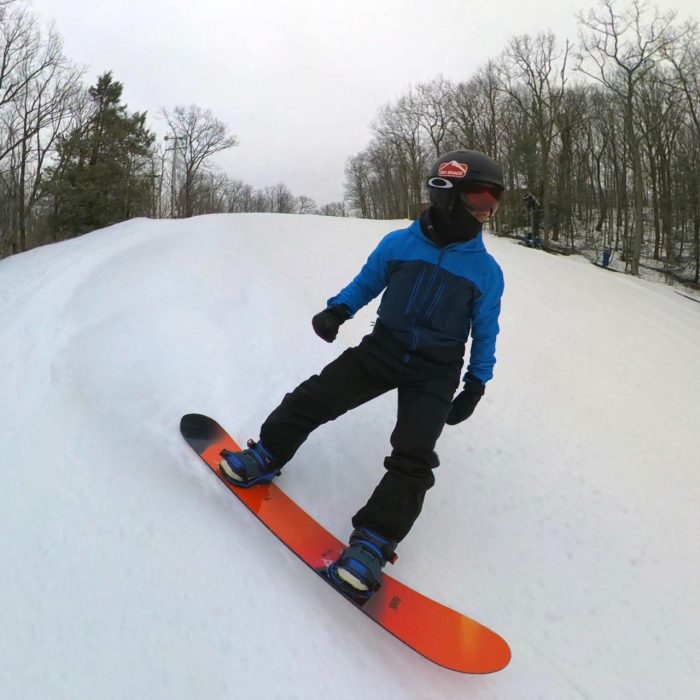
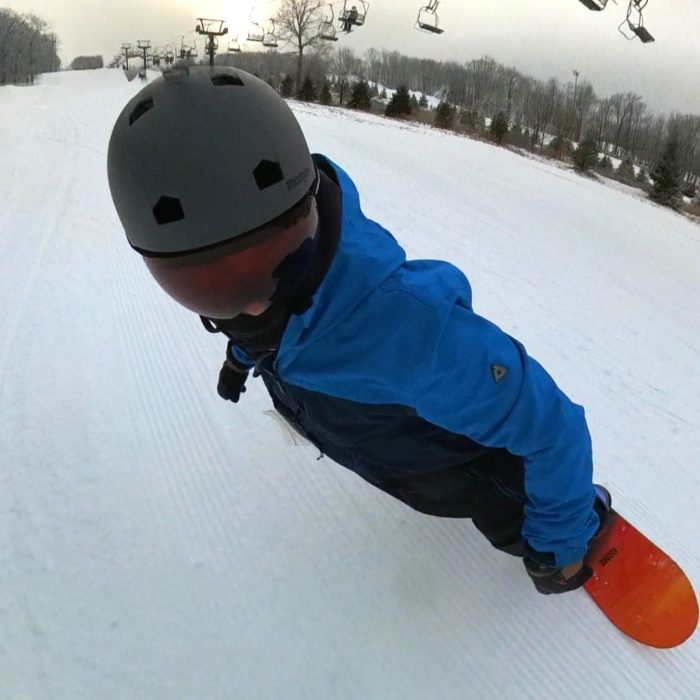
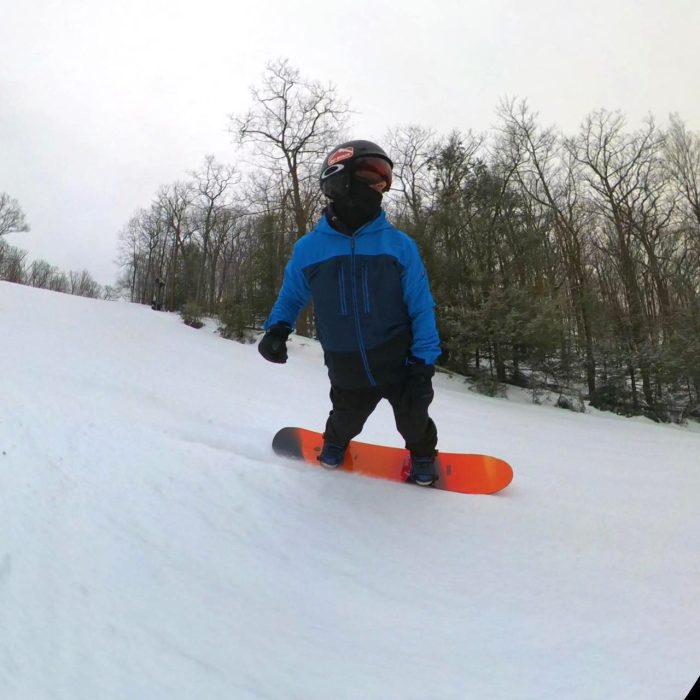
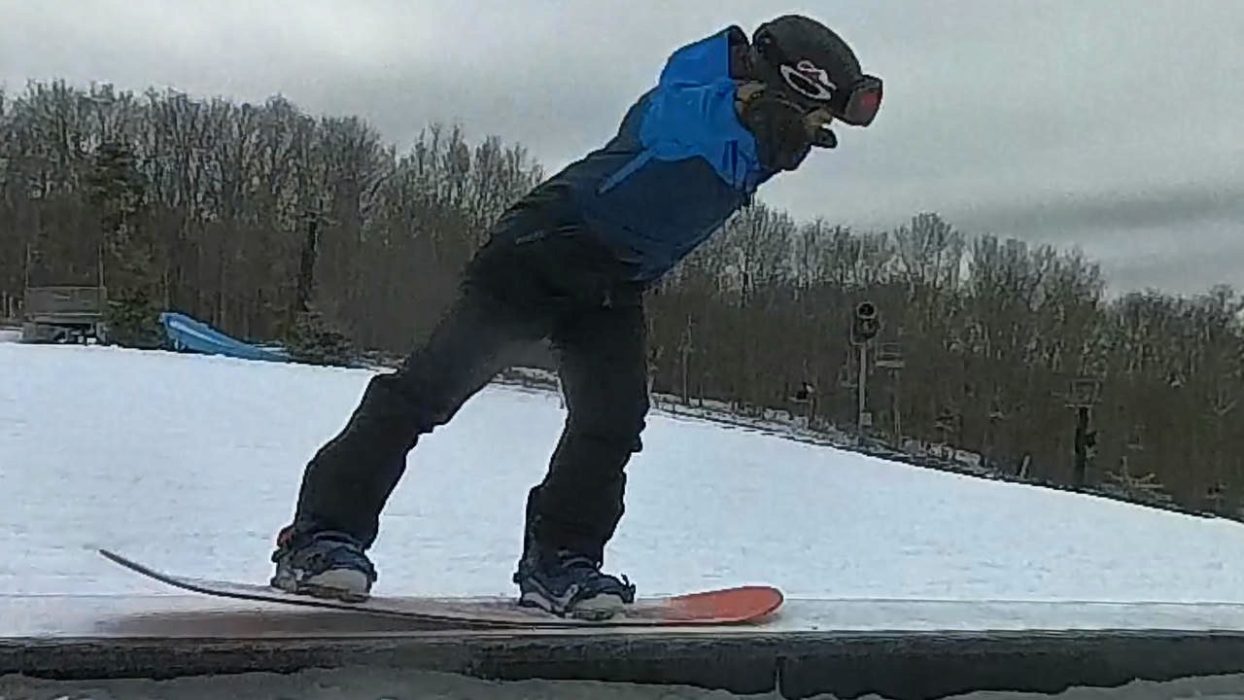
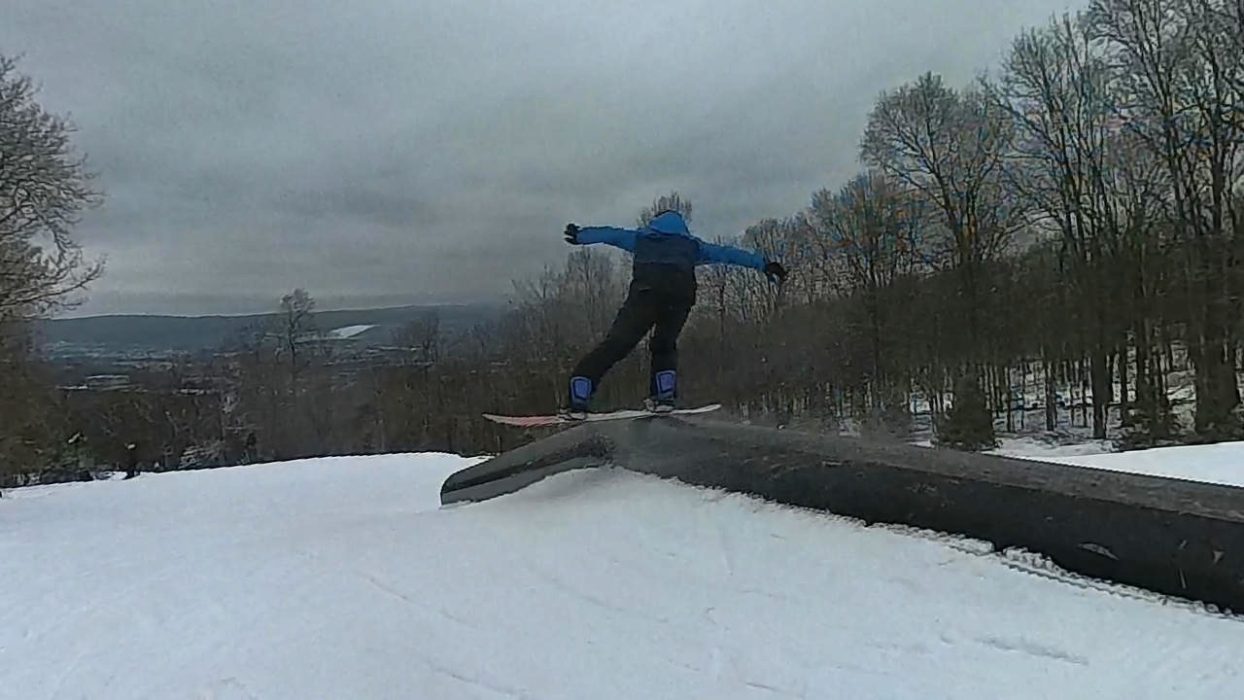
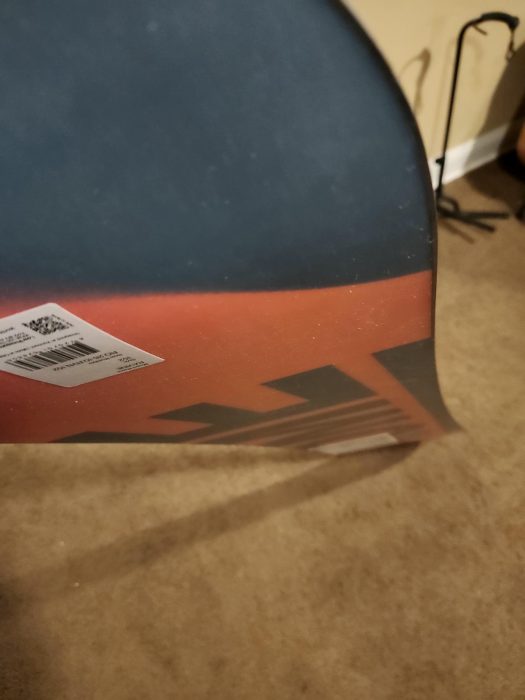
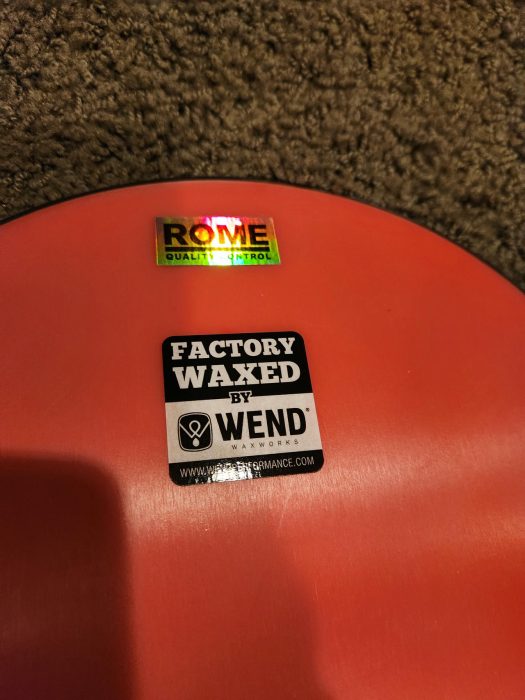
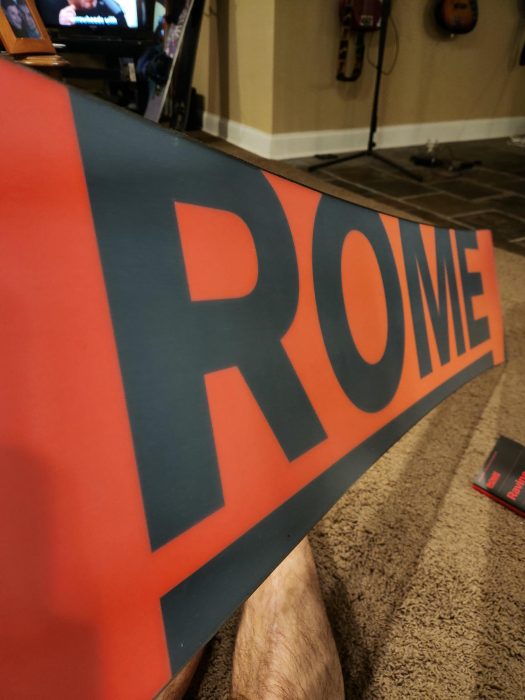
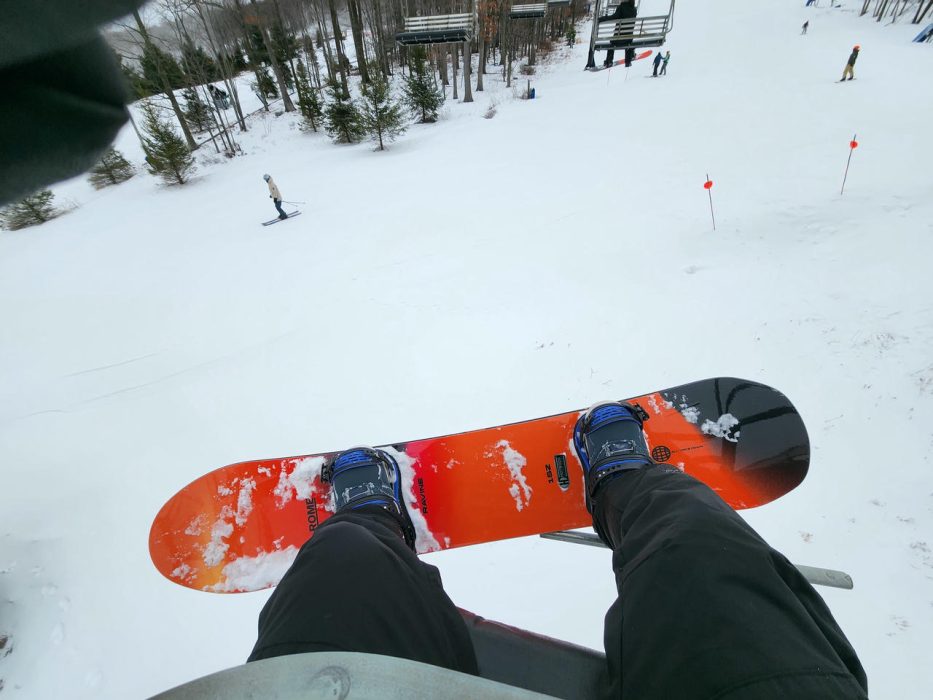
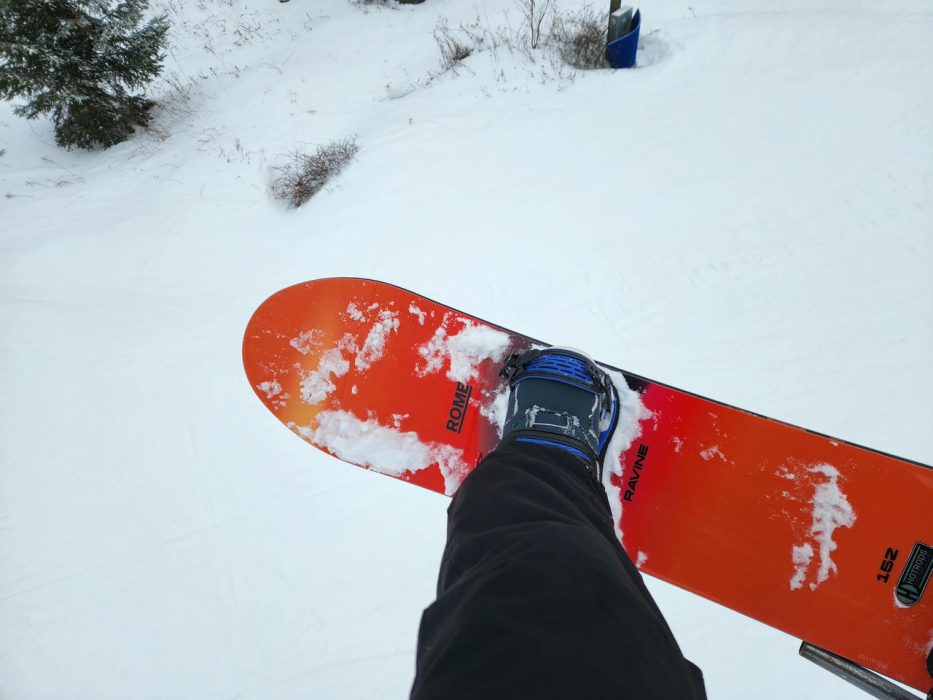
See Images from the Review
About the Reviewer
Rider Name: Steve Weber
Field Test Notes: I rode the 152 2026 Rome Ravine for 32 days here in PA. This is a board I own as part of my own quiver, so I’ve ridden it most days I went out during the 2026 season. I’ve ridden it in hardpack, on ice, in the park, and even the occassional East Coast powder day.
Rider Experience Level: Intermediate to Advanced – I’ve been riding for over 15 years. I prefer to hit small to medium park features over making the perfect turn.
Bindings Used: The Union Ultra Bindings and Union Force Bindings
Rider Weight: 142lbs
Rider Age: 42
Why Trust This Review?
With over 15 years of park riding experience here on the icy East Coast, I know what it takes to have a safe and fun time out on the mountain. I’m an intermediate park rider who can relate to riders of all skill levels. I’ve been writing in-depth reviews just like this one for the past four years, and my main goal with this review is simply to help you find the right board.
I write these reviews as a “for the fun of it” project. They are as unbiased as I can be for someone who tends to ride in an area with icier conditions. You can support this project by making a purchase through any of the links in the post. They point to the lowest offer for the board, don’t cost you anything additional, and tell the retailer I sent you.
Thanks for reading! Please leave a comment below if you have any questions.

Steve Weber is the passionate snowboarder, skateboarder, and author behind Board of the World. He understands that most gear reviews focus on having the perfect snow conditions, but his testing methodology is different. Living in Pennsylvania, Steve describes exactly how a board performs when the conditions aren’t perfect. His reviews cover performance on ice, hardpack, and flat-out brick conditions. In other words, he reviews boards for the conditions that East Coast riders actually face.
Bringing 27 years of East Coast snowboarding and 21 years of skateboarding experience, Steve is a 42-year-old intermediate park rider. His recommendations are informed by decades of battling icy conditions, ensuring every review accounts for the board’s performance on the roughest of terrain.
For the last five years, Steve has poured his passion into writing in-depth, unbiased reviews that help riders make informed decisions about the gear they’ll use. He also works part-time at a snowboard shop in Northeastern Pennsylvania, which gives him a direct line to learning about the new gear tech months in advance. When he’s not writing reviews, Steve is often found riding at Montage Mountain and testing out new boards.
Steve’s goal with Board of the World is simple: to help every reader find the right gear so they can have fun outside from the first time they use it.