


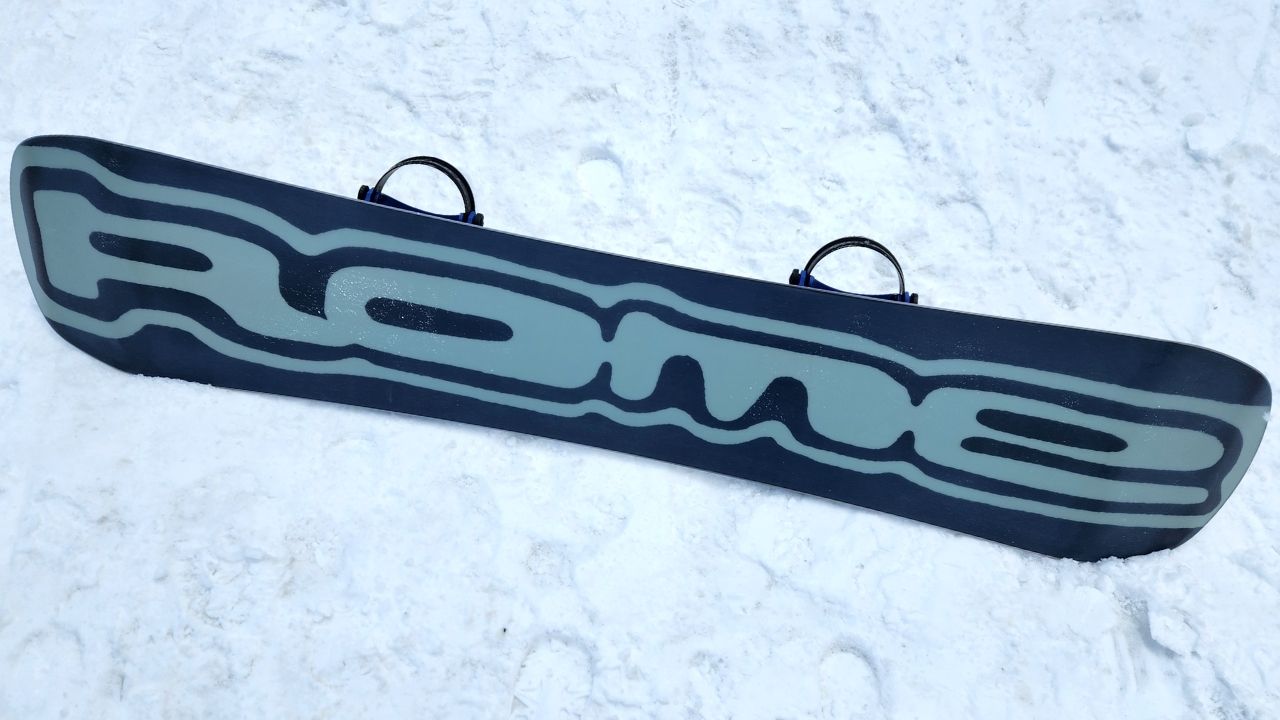

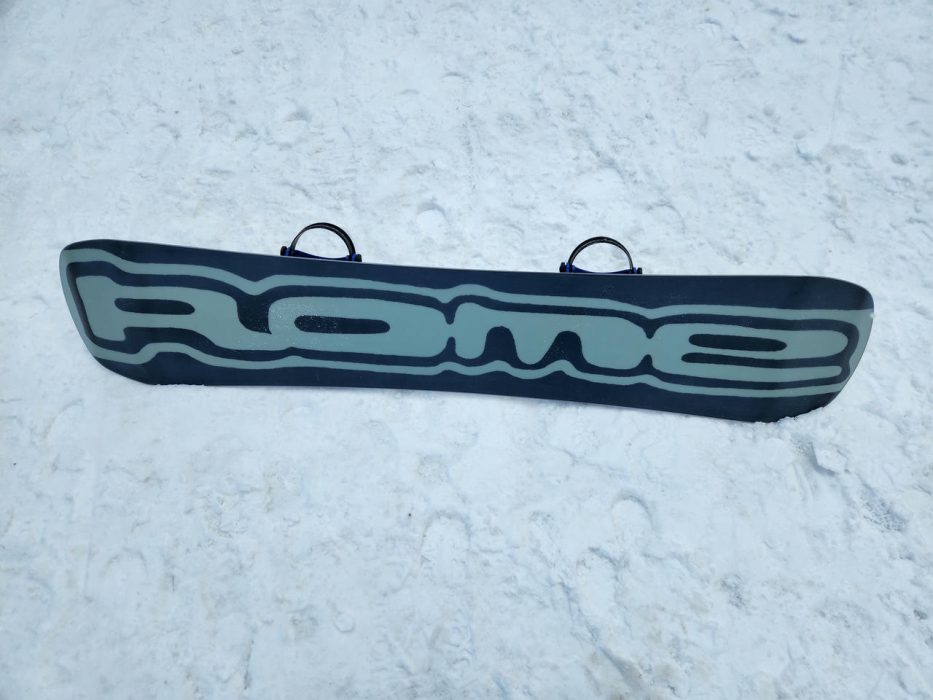
The Rome Artifact Pro 2026 is a tried-and-true camber-twin park board that’s got an extra boost of pop and a fast sintered base. It’s ready for jumps of all sizes, but the real highlight is the new shape of the nose and tail. They are now rounded off and built with an extra hinge point specifically to help you lock into really tall, stylish-looking presses.
While the regular (non-pro) Artifact is already legendary jib board, the newly shaped Artifact Pro version adds the stability, pop, and power needed to turn the entire resort into your own personal skatepark. The Rome Artifact Pro was specifically built for the intermediate park rider looking for a park board that will help them take their skills up a few notches. If you’ve already been sliding boxes and hitting small jumps, the Artifact Pro is the board that will help you to start hitting rails and larger jumps.
It’s an excellent board that rightfully earned a top placement on our best park snowboards award list for the 2026 season.
LOW STOCK ALERT
This board has been selling out fast for 2026. I found a few more sizes available at Backcountry here.
Summary of Board Highlights
| Consideration | Rating | Notes |
|---|---|---|
| Flex | 5.5/10 | A perfect medium / do it all flex. Stable enough for jumps, but the Double Kick nose (extra leverage point) makes it easier to press on features. The flex feels the same both from nose to tail as well as from toe to heel. |
| Pop | 9.5/10 | Pop is a main highlight of this board. The carbon stringers in the tips provide a 10-15% extra boost of pop off jumps while still feeling intuitive to load up. |
| Ice Edge Hold | 8/10 | Surprising grip. Even at 7°F on VT ice, the traditional camber felt locked-in. |
| Resort Riding | 7.5/10 | Highly versatile for a twin park board. You’ve likely been on a board that felt similar, so there is no real learning curve. On day one, you’ll be ripping with this all over the resort. (It is a true twin, full camber, with traditional radial sidecut. The tried and true all mountain / freestyle tech formula.) |
| Float / Powder | 6/10 | Double Kick helps in light slush, but don’t take this into 15+ inches of fresh snow. |
| Jibs/Jumps | 9/10 (Jibs) 9.5/10 (Jumps) |
A true dual-threat. Locks into rails effortlessly and offers stability for big landings. |
| Weight | Noticeably Light | Extremely agile in the air and easy to maneuver through tight features. |
Board Reviewed: 153 Rome Artifact Pro 2026
Price of Board: $447.96
How the Price Compares to Others:
The Rome Artifact Pro costs -$20.05 less than the average snowboard price of $468.01.
Our Rating Score: 4.34 out of 5
How the Rome Artifact Pro Ranks Against Others:
Ranks 15th out of the 36 boards reviewed in the park category.
What’s New for 2026
For this season, Rome went all in on their full 90s nostalgia for us, and I am here for it.
The nose and tail have been reshaped into a traditional rounded pill shape. They’ve moved away from the flattened, blunted tips of last season’s shape. The new round shape doesn’t change the feel of the carve or drastically add to its swing weight. It just made it feel more intuitive to jib and pop with.
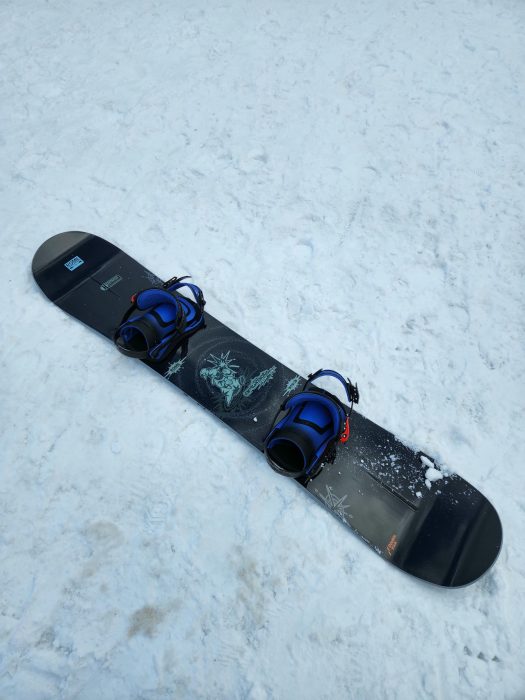
Most importantly, the Artifact Pro retains its most important feature: the Double Kick tech in the tips. This means Rome added a second leverage point after the initial curve of the nose (the very tip of the nose has a second nose).
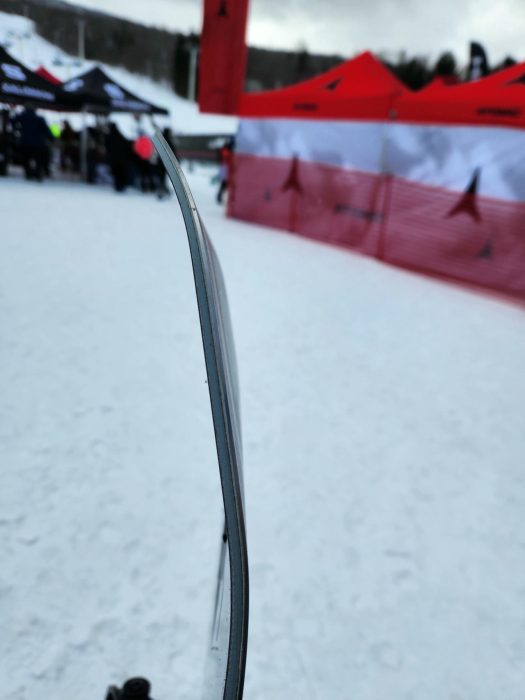
It’s designed specifically to help you lock into taller nose or tail presses without needing to soften up the board to do it. So this board can jump like a beast while still pressing with such style.
PRO TIP For the Artifact Pro: Keep This Deck Waxed!
The Artifact Pro features Rome’s Sintered Strong Base. It’s the same base used in the Rome Ravine, so I can attest: when it’s waxed, it’s noticeably fast. However, when it’s dry, it’s noticeably slow. You’ll have to keep this thing waxed to maintain its above average glide.
During my first day out on the Artifact Pro, it felt so sluggish to the point where I would have scored it closer to a 6.5/10 for speed or one point below average, but once I gave it a fresh coat of wax, it gave me the speed I was expecting.
Remember to keep this deck waxed, and you’ll get its upgraded speed benefits.
If you won’t be waxing it, I’d strongly recommend getting the regular Rome Artifact instead. It’s got a lower maintenance extruded base. (Just note that the non-Pro version doesn’t have the extra 15% of pop the Pro version has.)
Pros
- A camber park board with a “cheat code” extra leverage point feature for pressing
- Explosive pop with softer landings: Thanks to the Carbon HotRods and Flax Impact Plates
Zero learning curve / intuitive ride
Cons
- Higher-maintenance base / felt slow without wax and then fast with wax
Too aggressive for beginnersNot great in powder (but great in the park)
How the Artifact Pro Rides
The Artifact Pro feels like a lively, tried-and-true camber park board. It’s got a radial sidecut that offers an intuitive feeling turning experience, and it feels noticeably poppy, stable, and responsive.
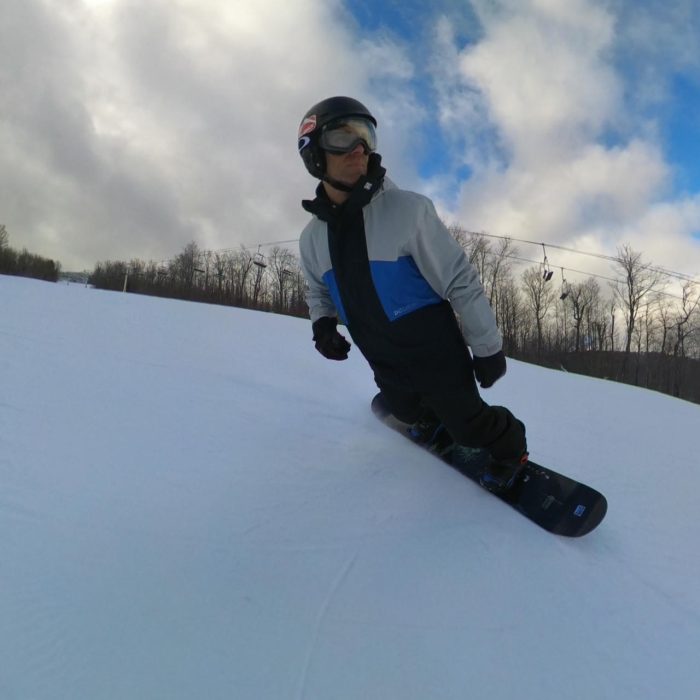
If you’ve been snowboarding for a while, there is a really good chance you’ve already ridden a board that feels very similar to this one, and it will have virtually no learning curve to get used to it.
It is what most would consider the “tried and true all mountain freestyle twin deck.” It just feels a bit faster and poppier than what you’d expect.
Park Performance: Why the Upgrade to Pro is Worth It
Park performance is where that extra $60 really pays off (its $499.95 for the Rome Artifact and $559.95 for the Artifact Pro).
By upgrading to the Pro version, you’re getting a faster, more durable base and carbon stringers for additional pop built into the Artifact’s already jib-ready camber shape.
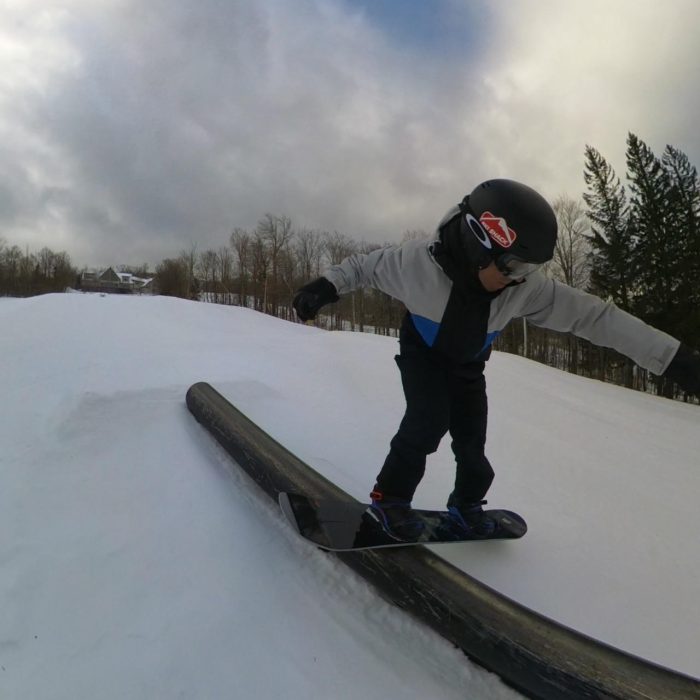
It’s a deck built to withstand seasons of heavy abuse in the park without losing its pop or flex pattern. Additionally, the Pro version is stable enough to hit features of all sizes, where the non-Pro version is best for small to medium-sized features.
Jumps:
The carbon stringers in the tips of the Artifact Pro give this board a springboard-like, explosive level of pop. You don’t need to do anything extra to load it up, either. Just load it up to ollie as normal, and it’ll give you a nice little extra 15% boost of pop.
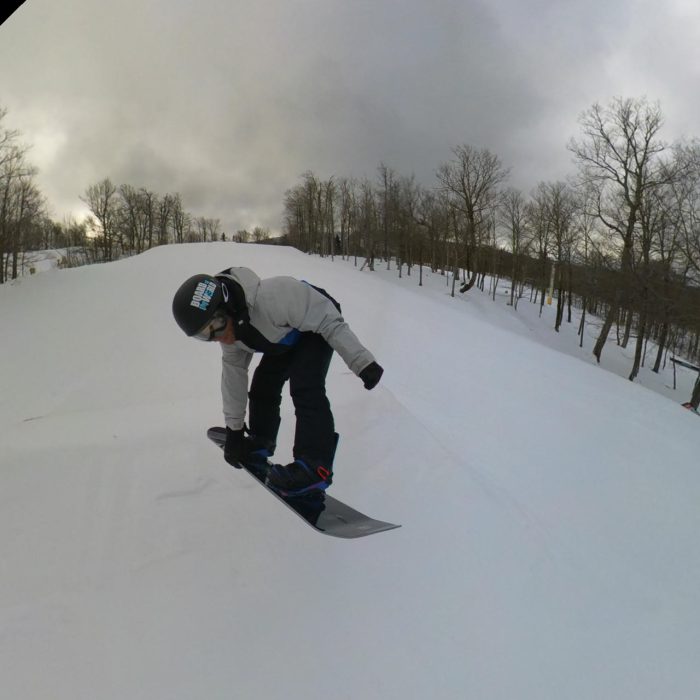
The Artifact Pro also features flax impact plates around the insert packs that help to absorb shock as you land. The impact plates also work well to absorb some of the chatter you feel as you ride, add to the durability of the board, and don’t alter the flex pattern.
Jibs:
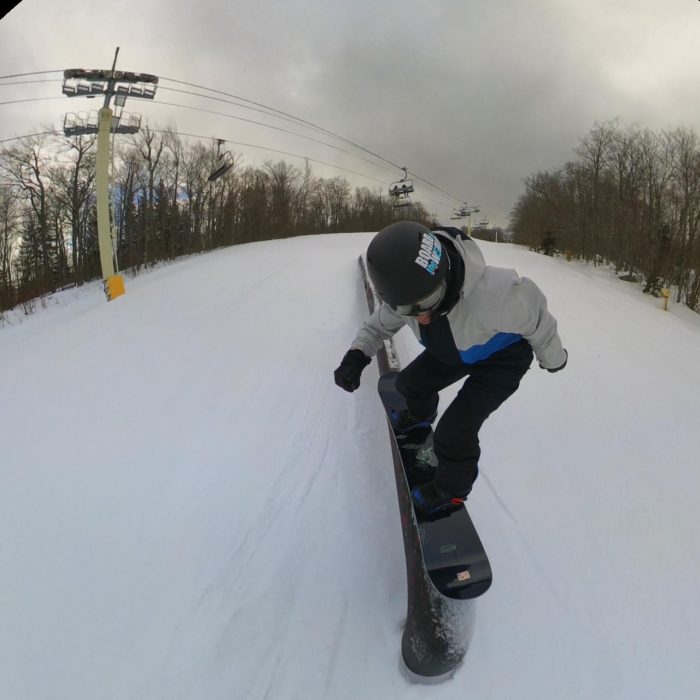
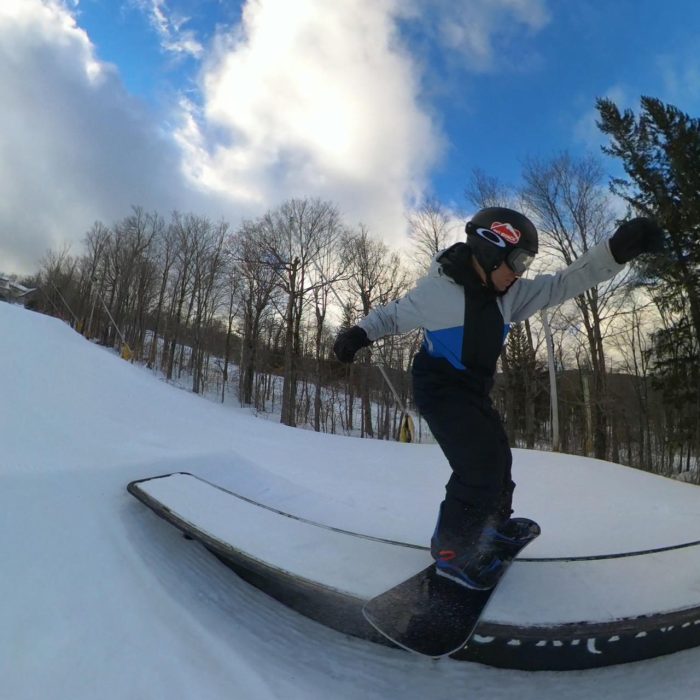
Usually, when you get a camber board with carbon stringers for pop, you have to fight them to keep it pressed or locked onto a rail. I didn’t have that struggle with the Artifact Pro.
Its flex has enough play to still mold around the feature until you’re done sliding, and it made it feel a little easier to balance on.
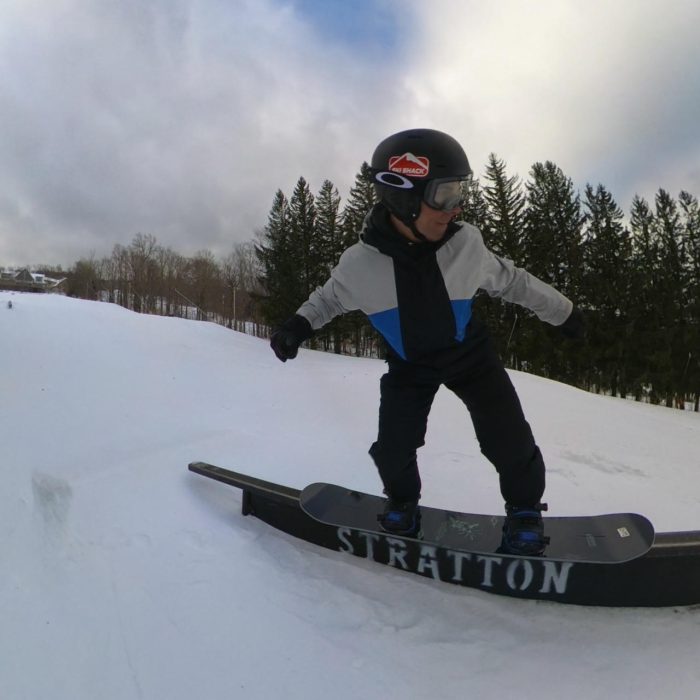
This deck also gives you a nice extra boost of pop off the feature, too. So when you’re done sliding, it rebounds back into shape, popping you off the feature with enough air to get an extra 180 out.
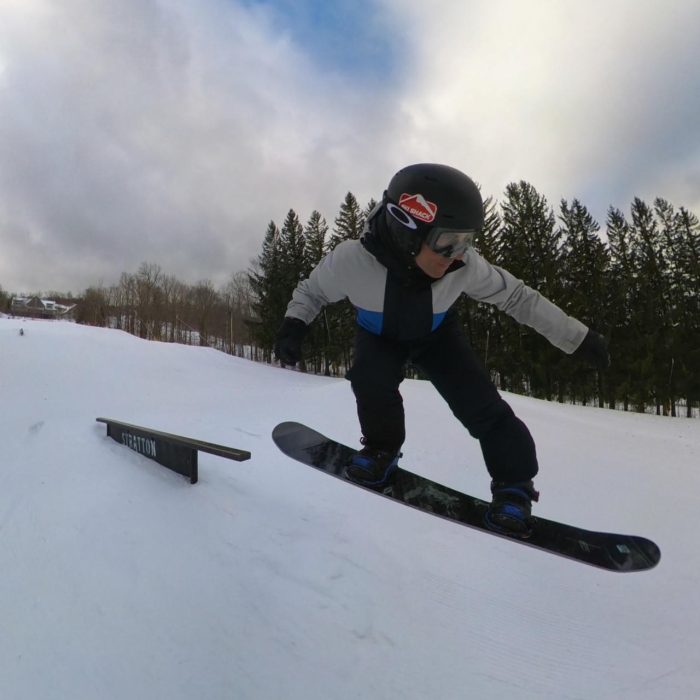
Ridiculously Easy to Nose Press & Butter
If you love nose pressing and buttering, but still want a camber-dominant board, the Artifact Pro will be perfect for you. In fact, Rome built a cheat code-like feature into the tips of this board to help you really press into this board. Rome added their Double Kick nose and tail to the Artifact Pro.
If you look at the nose or tail, you’ll notice this extra curve towards the tip.
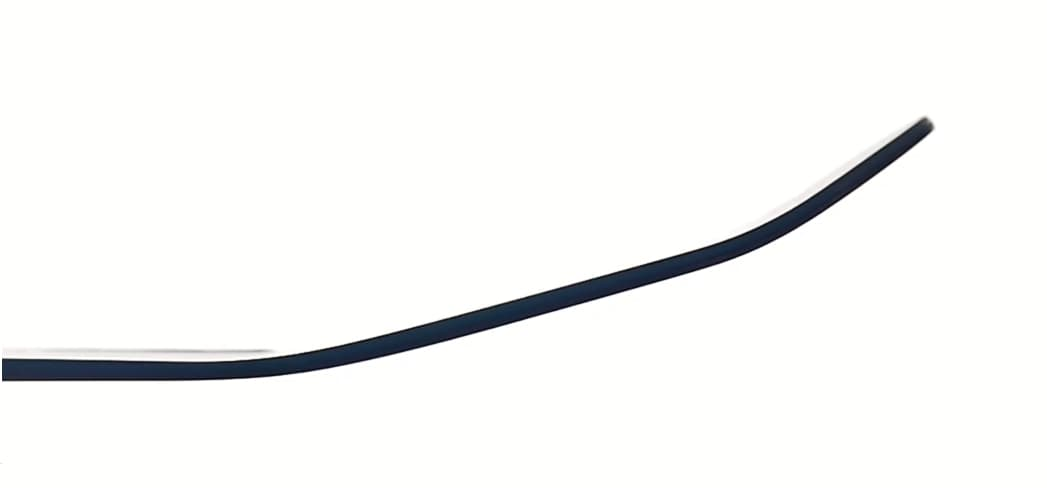
This curve acts like a leverage point that helps you get your press or butter to look a little higher. It also gives you a sweet spot that helps you balance your presses.
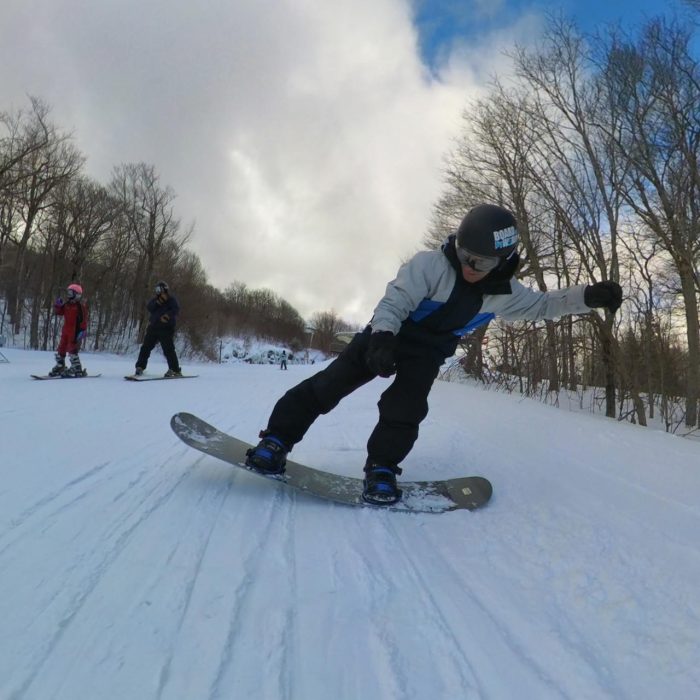
Resort Riding & Carving
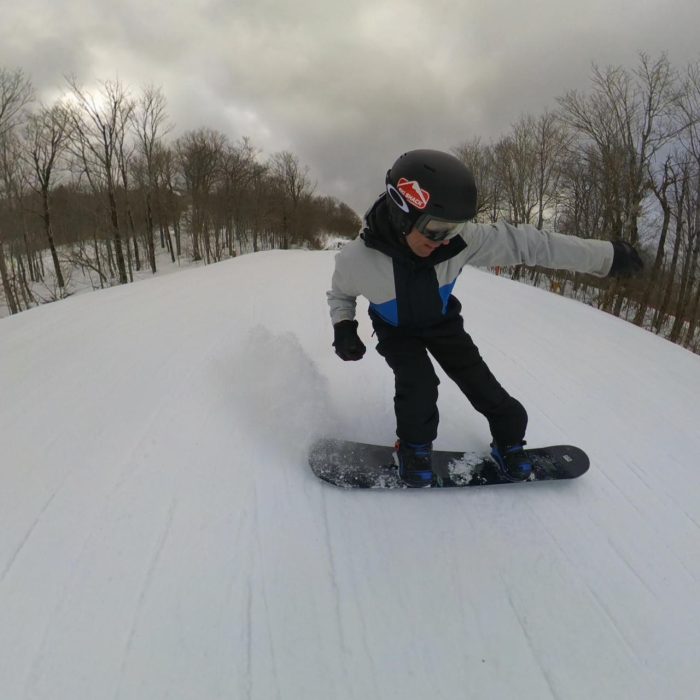
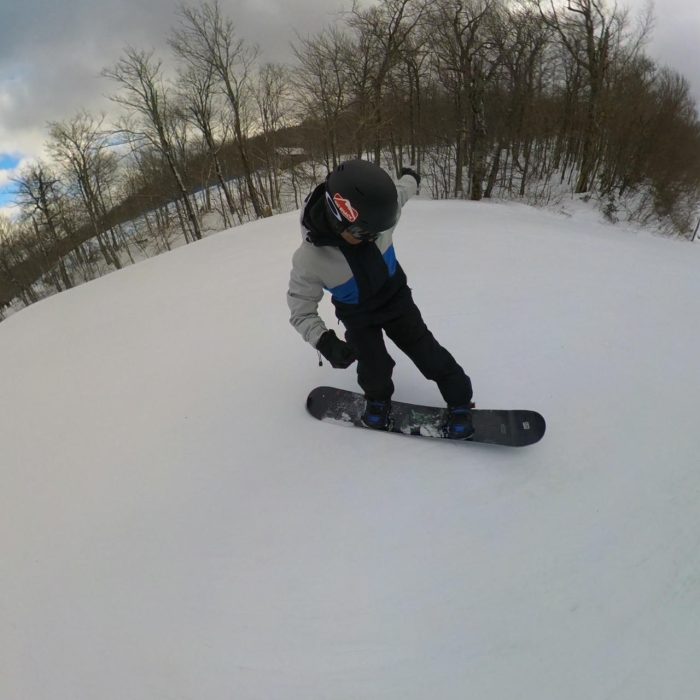
The carving on this board is exactly what you would expect from a camber true twin snowboard with a radial sidecut. It feels predictable, balanced, and consistent with no weird surprises, but there are also no wow moments to impress you with its carving experience either.
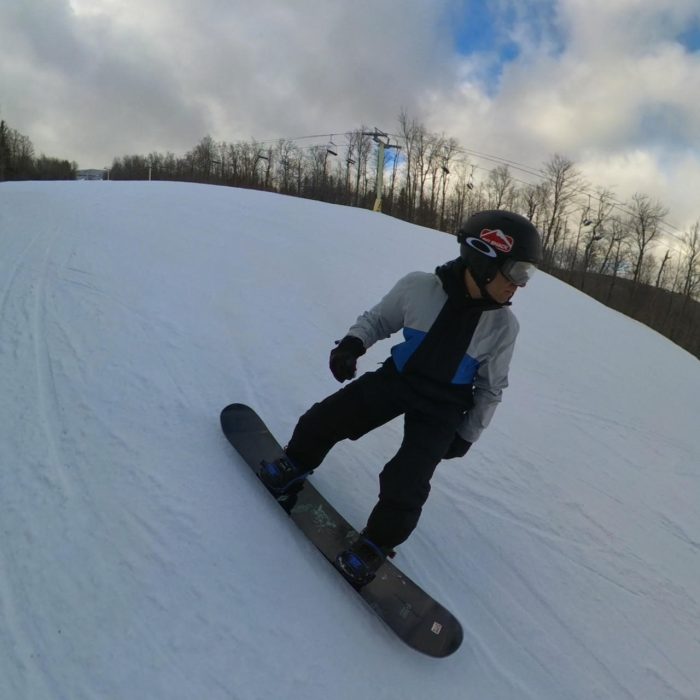
Because of that traditional sidecut, this board is best for medium-sized radius turns on groomers and navigating the resort at more casual speeds while you hang with your friends. The Rome Artifact Pro stays locked into turns well enough for everyday riding and has decent enough edge hold on ice when your edges are sharp. I recommend keeping in mind that most riders would buy this deck for its park performance and not for its ability to dig deep trench-like carves or float in powder.
The Artifact Pro can be a reliable daily driver, but it is intended to be a daily driver more for the rider who wants to spend most of their time jibbing and jumping over cruising outside of the park.
Comparing the Artifact Pro vs. Capita DOA
If you’re looking at the Rome Artifact Pro, another similar deck for you to consider is the Capita DOA.

Both are popular snowboards (the DOA is even more so), but they have a few differences which can help you decide between the two:
- Price: The Artifact Pro is $20 cheaper than the DOA for the latest version, and deal hunters can usually find last season’s model cheaper than the latest model of the DOA.
- Profile: The DOA uses a hybrid camber profile (camber between your feet with rocker, more forgiving, catch-free zones in the nose and tail). The Artifact Pro has a plain old traditional camber profile and feel.
This means between the two decks, the DOA will be the more forgiving deck to learn on, and also more forgiving to land your tricks if you land slightly off-axis. While the Artifact Pro will have that more tried and true, camber traditional feel. So both are geared for intermediate and above riders, but a beginner would have an easier time learning on the DOA. - Pressability: The Artifact Pro is noticeably easier to get a tall-looking nose press and butter thanks to the Double Kick tech in the tips.
- Popularity: The DOA is a very popular deck, so there is a good chance someone on the hill already has one. If you want a similar level of performance, but also want a deck that stands out in the rack, go with the Rome Artifact Pro.
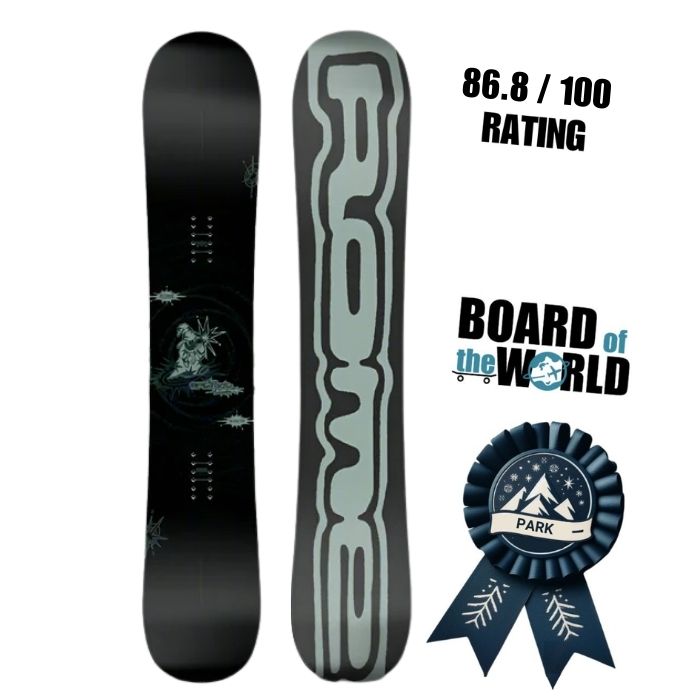
Final Review Park Rating Score: 86.05 / 100
The Rome Artifact earned an 86.05 out of a possible 100 in our park boards scale. The Artifact is a rare type of park board that feels like a balanced ride. While it has an extra boost of pop, it can still jib exceptionally well.
| Considerations | Score Out of 100 | Importance to Score |
|---|---|---|
| Resort Riding / Versatility | 75 | 5 |
| Pop / Power | 95 | 10 |
| Powder | 60 | 3 |
| Carving / Turns | 75 | 5 |
| Responsiveness | 75 | 5 |
| Speed | 75 | 10 |
| Ice / Poor Conditions | 80 | 5 |
| Switch | 100 | 10 |
| Jibs | 90 | 15 |
| Jumps | 95 | 15 |
| Dampness | 80 | 5 |
| Buttering | 90 | 10 |
| Fun to ride | 100 | 2 |
| Weighted Score (Park Category) | 86.8 | 100 |
Final Verdict: Should You Get the Rome Artifact Pro?
Get this board if: You’re an intermediate to advanced park rider who wants something with a bit of power and response for jumps, but you also want it to still jib like a badass, too. It’s got features to help you do both equally.
Carving-wise, it does it well enough to cruise the whole mountain at moderate speeds. It isn’t for the rider who will spend a lot of time outside of the park, though.
Who it’s NOT for: The complete beginner who wants to get this as their first park board. The camber profile will feel a bit too unforgiving. It’s also not for the high-speed resort rider who enjoys bombing hills and making very deep carves; it’s just a bit too lively to give you what you want. Its features are just more suited to jumping and jibbing over carving.
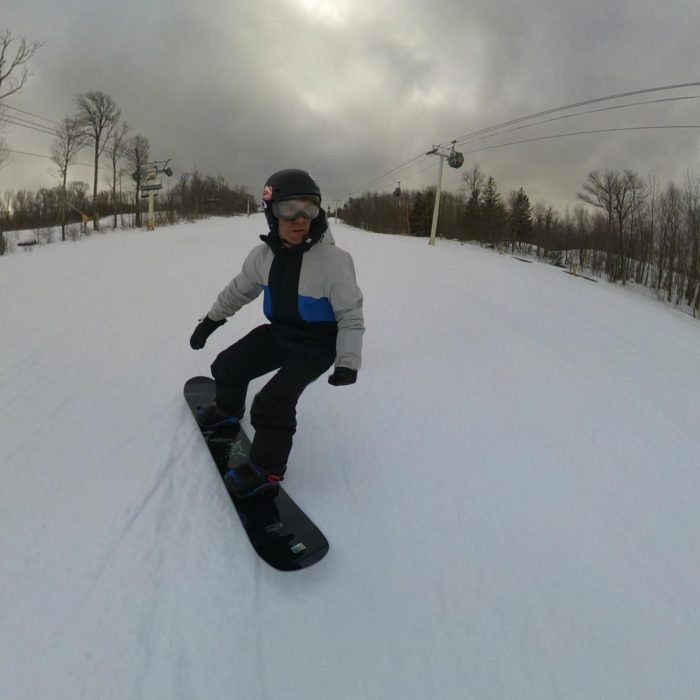
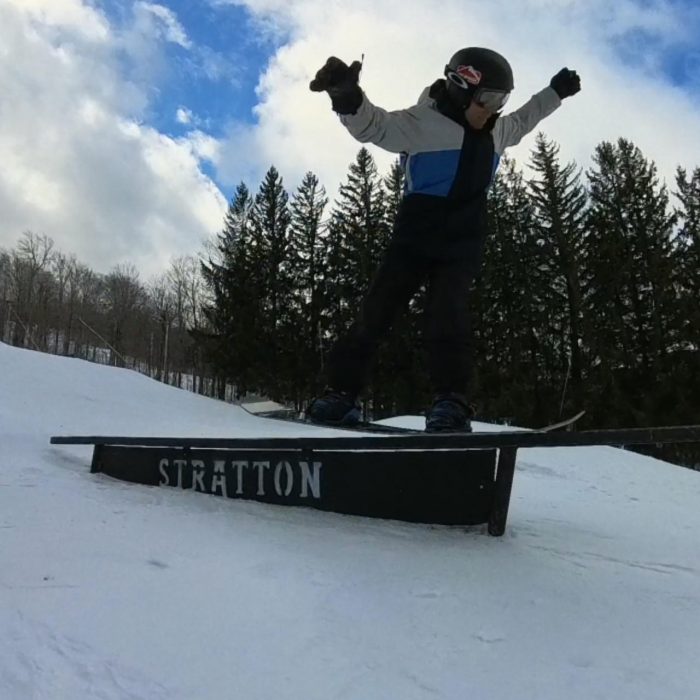
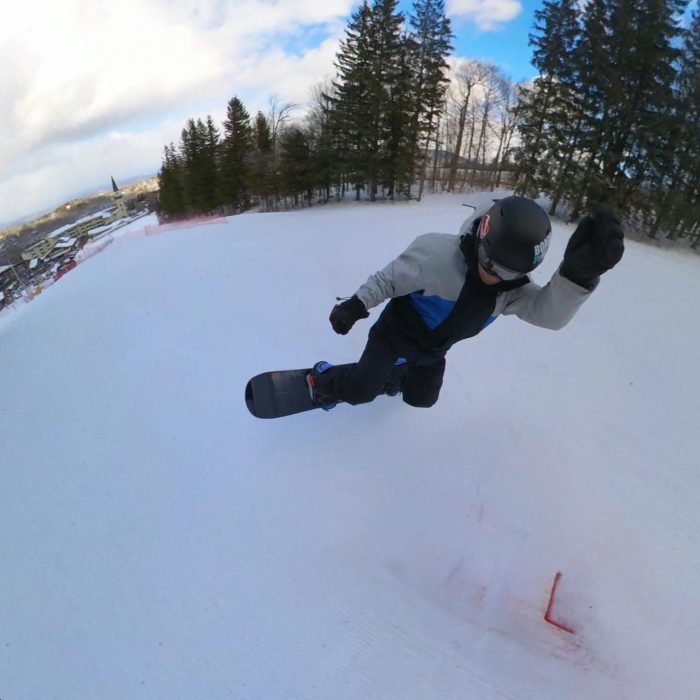
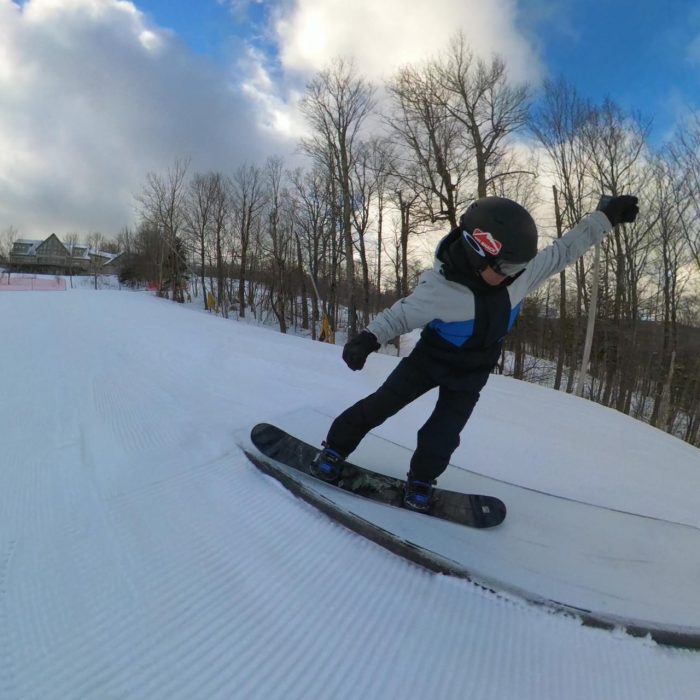
See Images from the Review
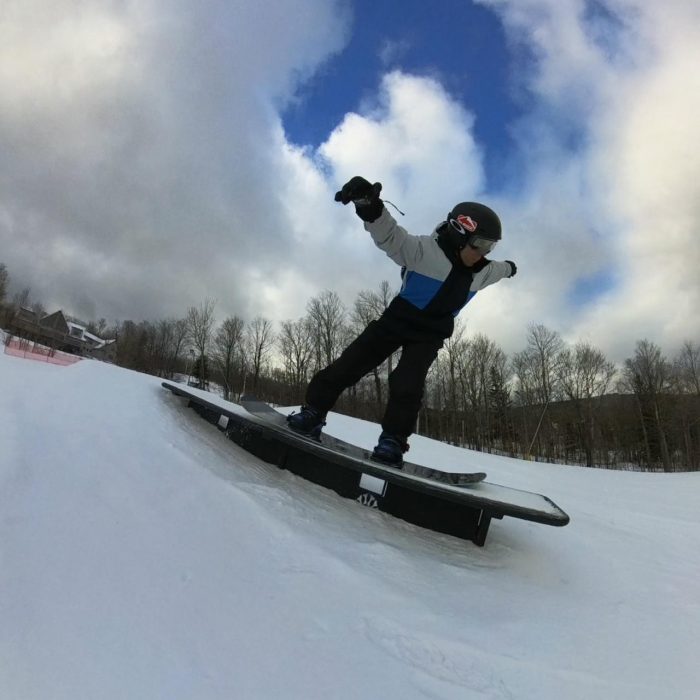
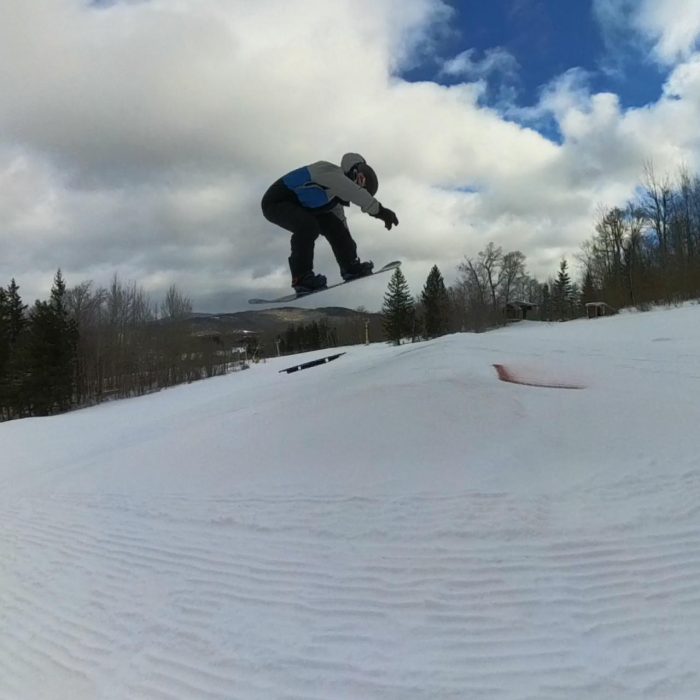
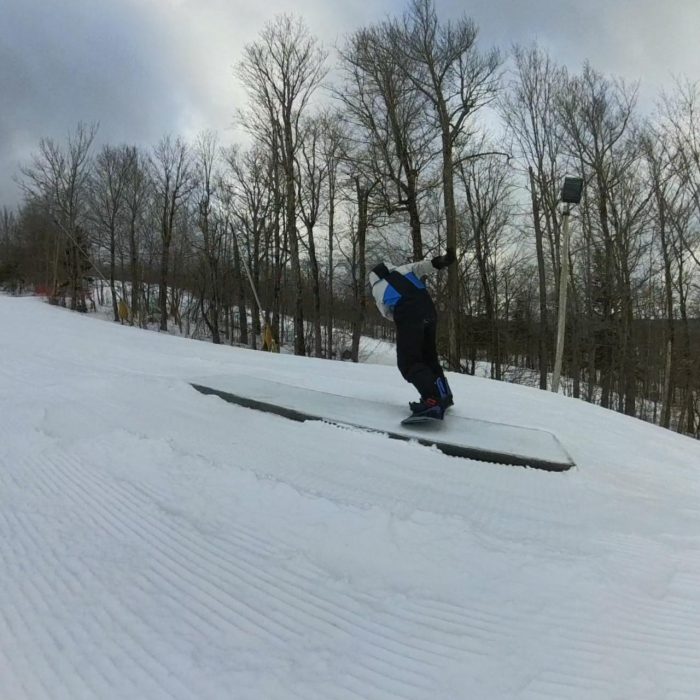
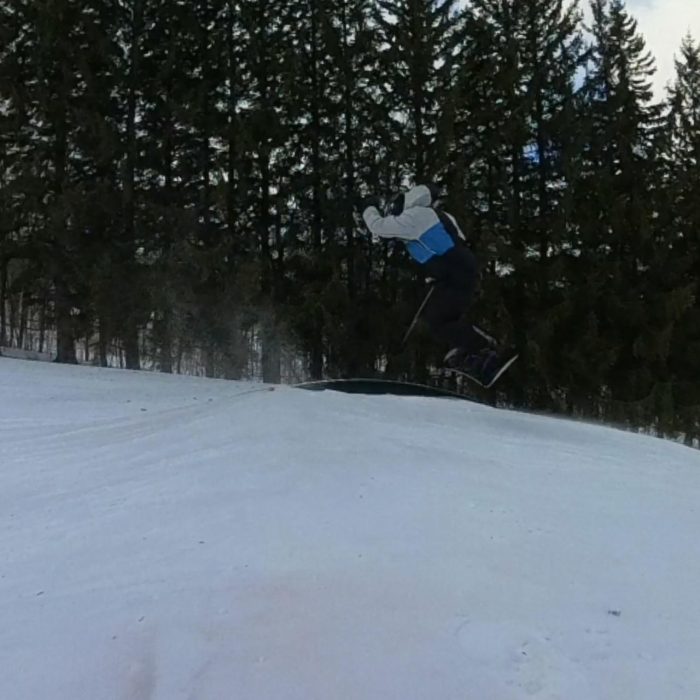
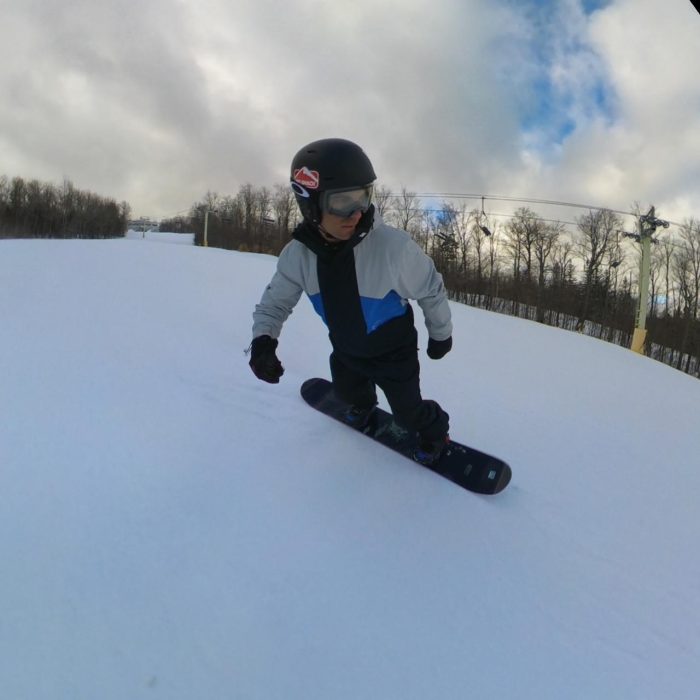
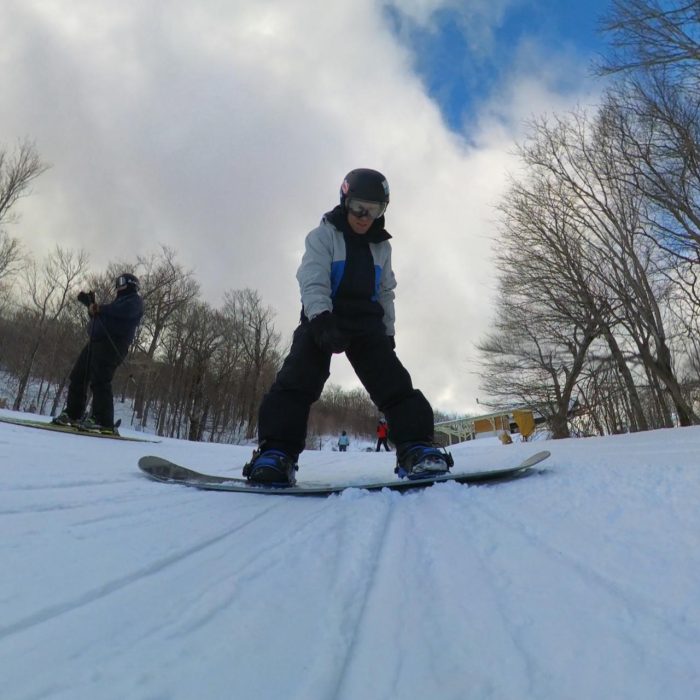
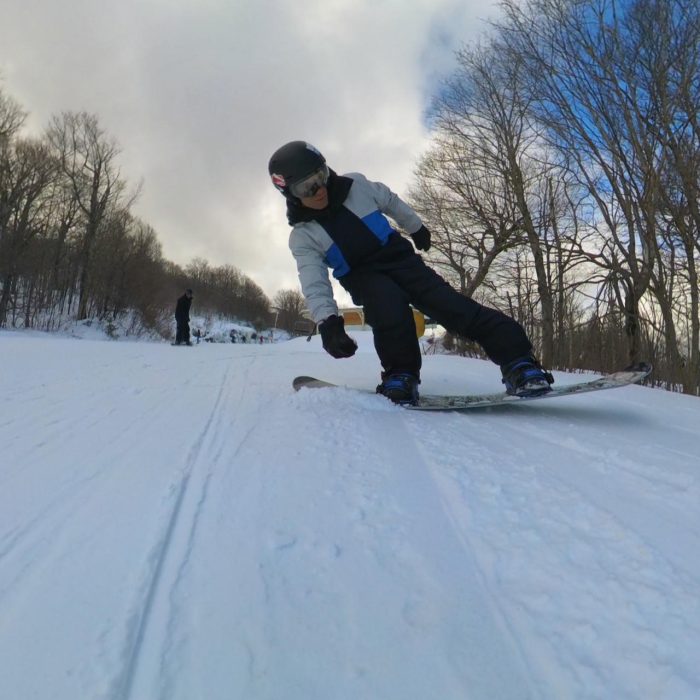
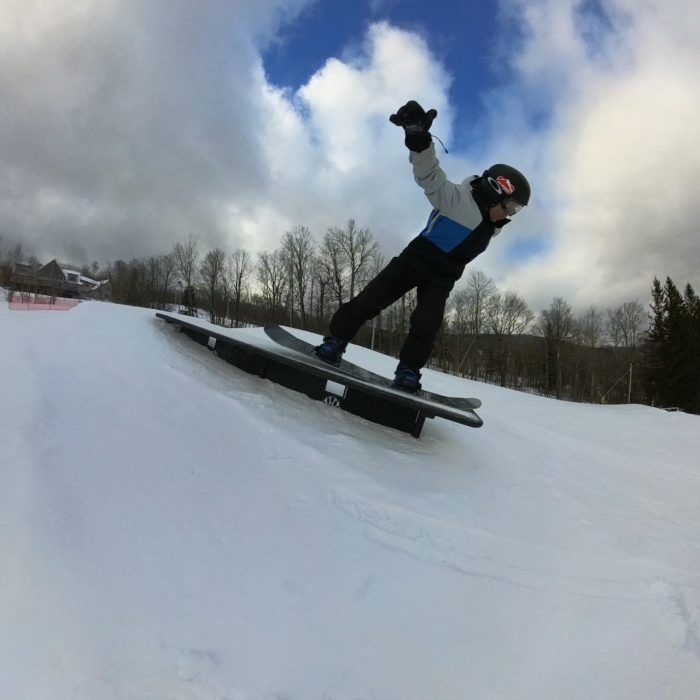
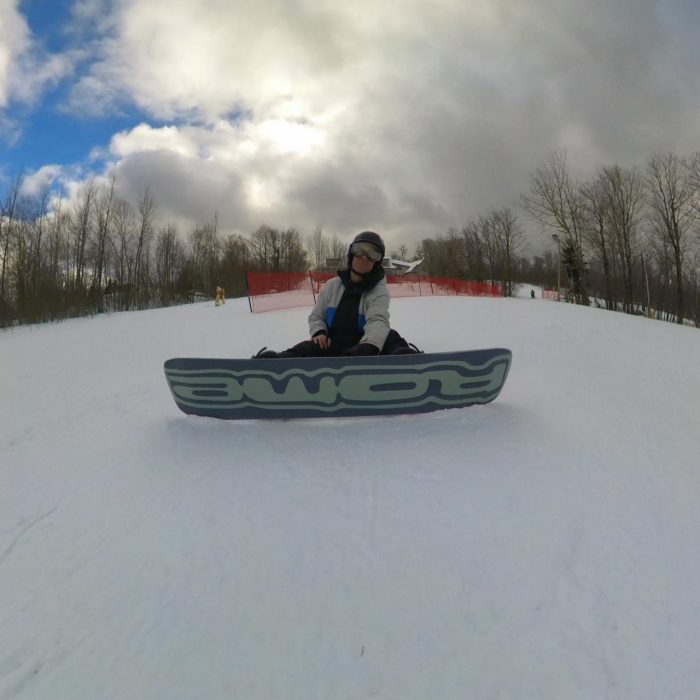
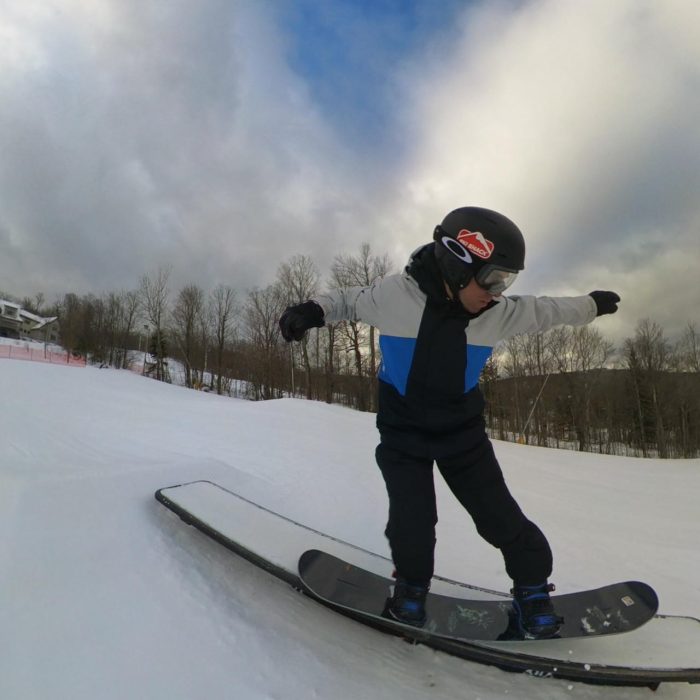
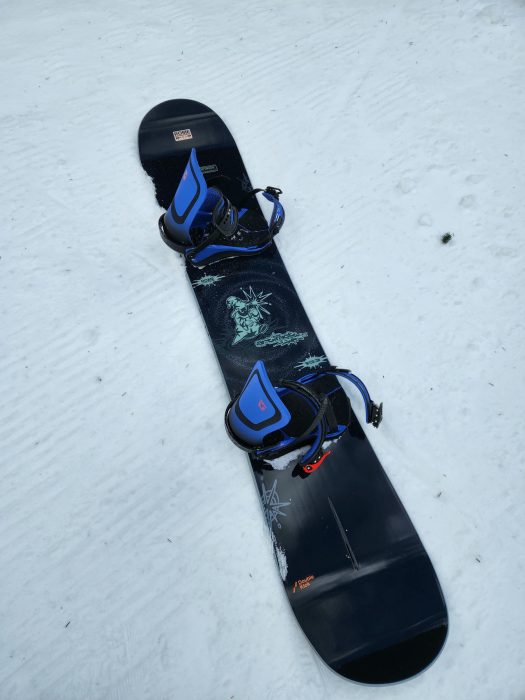
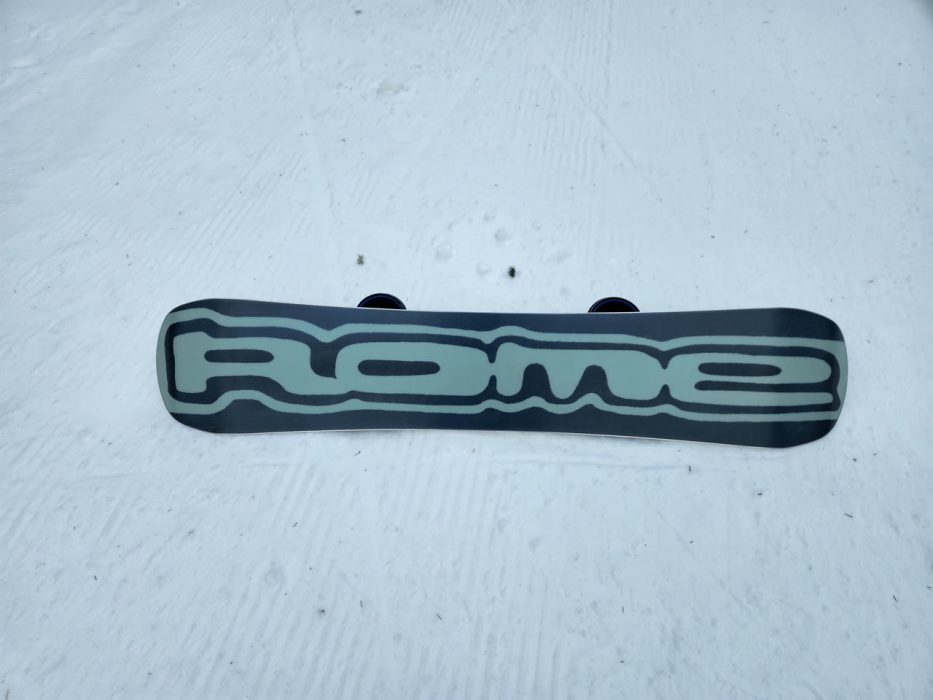
About the Reviewer
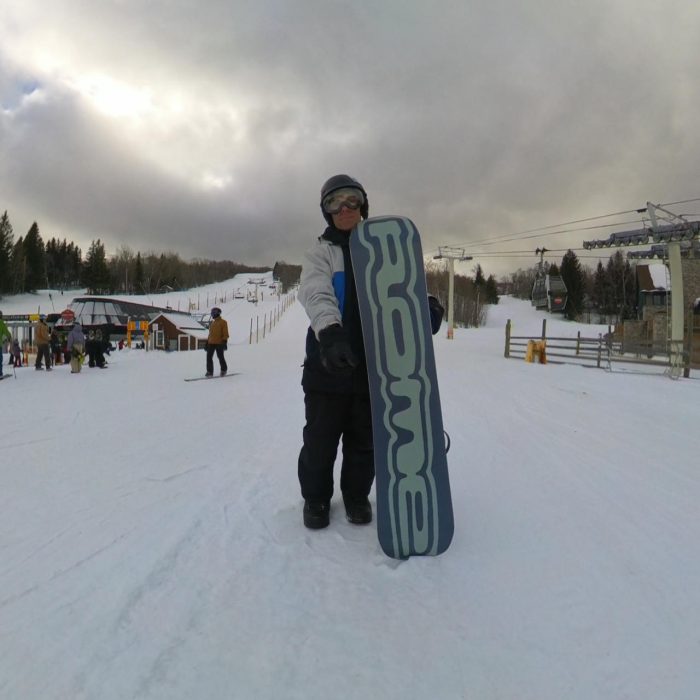
Rider Name: Steve Weber
Field Test Notes: I rode the 153 2026 Rome Artifact Pro for 3 days during the EWSRA 2026 tradeshow demo in Stratton, VT in February of 2025.
Rider Experience Level: Intermediate to Advanced – I’ve been riding for over 15 years. I prefer to hit small to medium park features over making the perfect turn.
Bindings Used: The Union Ultra Bindings
Rider Weight: 142lbs
Rider Age: 42
Why Trust This Review?
With over 15 years of park riding experience here on the icy East Coast, I know what it takes to have a safe and fun time out on the mountain. I’m an intermediate park rider who can relate to riders of all skill levels. I’ve been writing in-depth reviews just like this one for the past four years, and my main goal with this review is simply to help you find the right board.
I write these reviews as a “for the fun of it” project. They are as unbiased as I can be for someone who tends to ride in an area with icier conditions. You can support this project by making a purchase through any of the links in the post. They point to the lowest offer for the board, don’t cost you anything additional, and tell the retailer I sent you.
Thanks for reading! Please leave a comment below if you have any questions.

Steve Weber is the passionate snowboarder, skateboarder, and author behind Board of the World. He understands that most gear reviews focus on having the perfect snow conditions, but his testing methodology is different. Living in Pennsylvania, Steve describes exactly how a board performs when the conditions aren’t perfect. His reviews cover performance on ice, hardpack, and flat-out brick conditions. In other words, he reviews boards for the conditions that East Coast riders actually face.
Bringing 27 years of East Coast snowboarding and 21 years of skateboarding experience, Steve is a 42-year-old intermediate park rider. His recommendations are informed by decades of battling icy conditions, ensuring every review accounts for the board’s performance on the roughest of terrain.
For the last five years, Steve has poured his passion into writing in-depth, unbiased reviews that help riders make informed decisions about the gear they’ll use. He also works part-time at a snowboard shop in Northeastern Pennsylvania, which gives him a direct line to learning about the new gear tech months in advance. When he’s not writing reviews, Steve is often found riding at Montage Mountain and testing out new boards.
Steve’s goal with Board of the World is simple: to help every reader find the right gear so they can have fun outside from the first time they use it.