


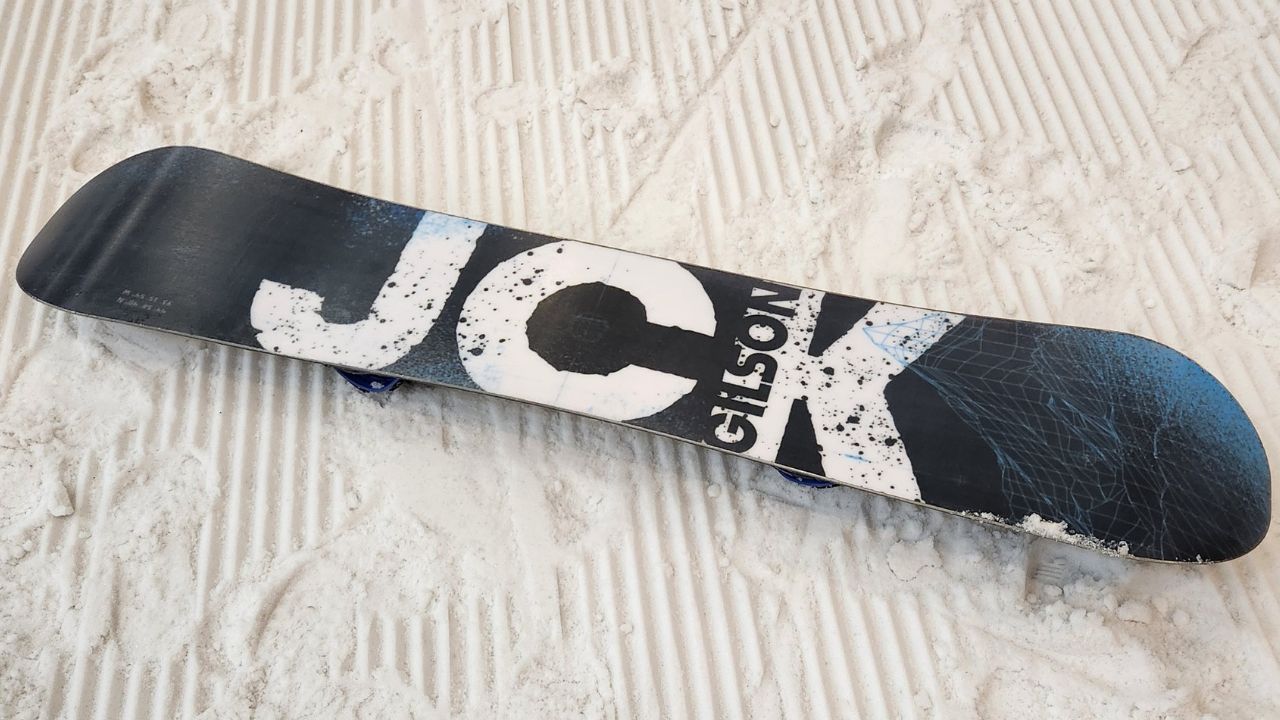

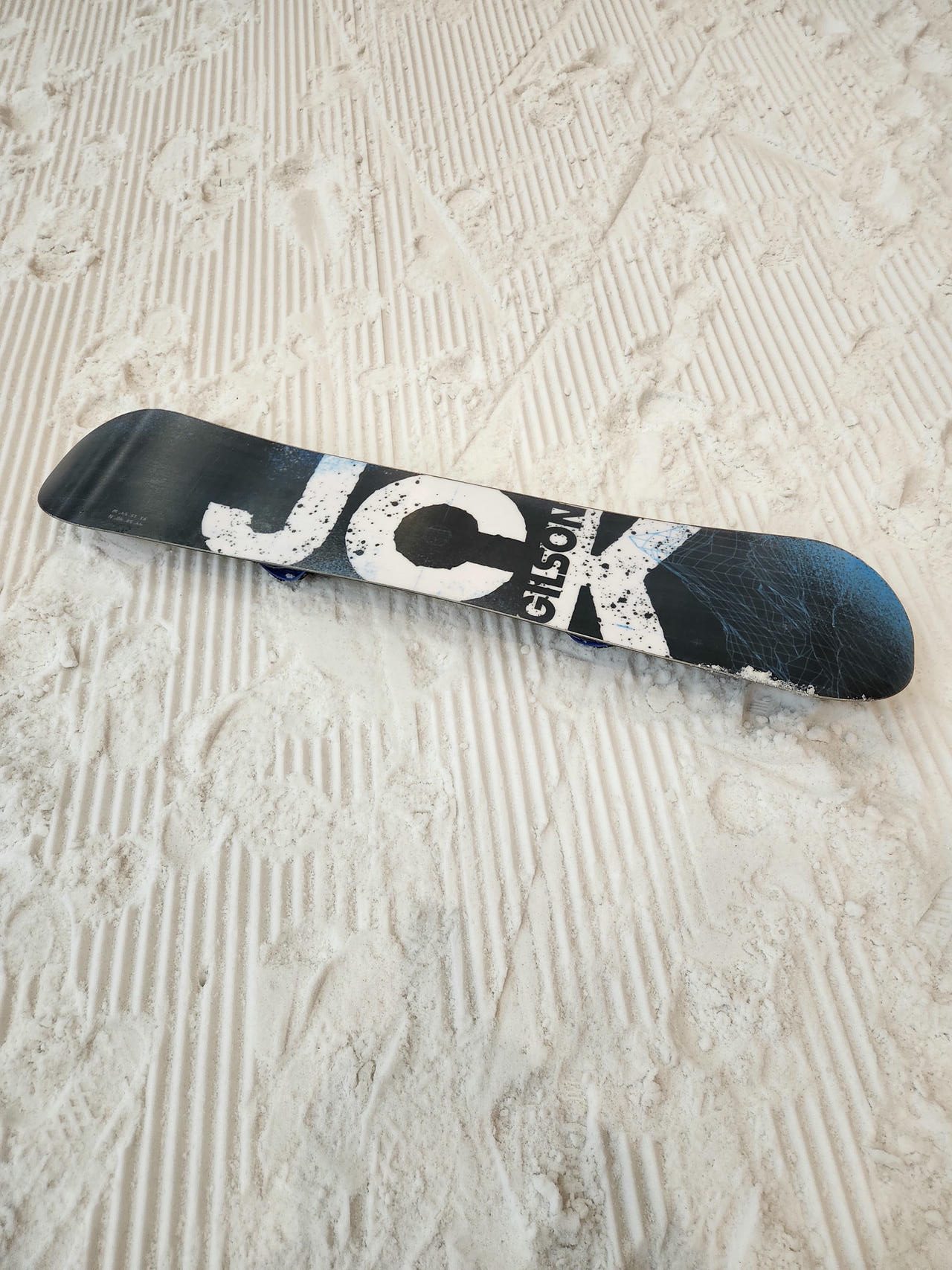
The 2027 Gilson JCK is a hybrid rocker true twin park board that’s specifically built for jibbing, buttering, jumping, and switch riding. This deck feels like a 4.5/10 flex even though Gilson rates it a 3/10, and the rocker between your feet makes pressing feel as effortless as leaning forward. With my reader discount, the price is $585, which is only 2.7% above the Park/Street average, and it ranks #11 out of the 38 Park/Street boards that I’ve scored for the season. Given just how well this deck jibs and jumps, it’s one I’d recommend checking out.
The most notable detail about the JCK compared to Gilson’s other boards is that it doesn’t have Gilson’s 3D raised edge feature. This board has standard edges (Gilson’s “flat base” edge technology), and when that’s combined with the playful nature of this board, you get a deck that can cruise the entire resort, but was designed with the goal of helping you level up your park skills.
Listen to This Review
Chapters
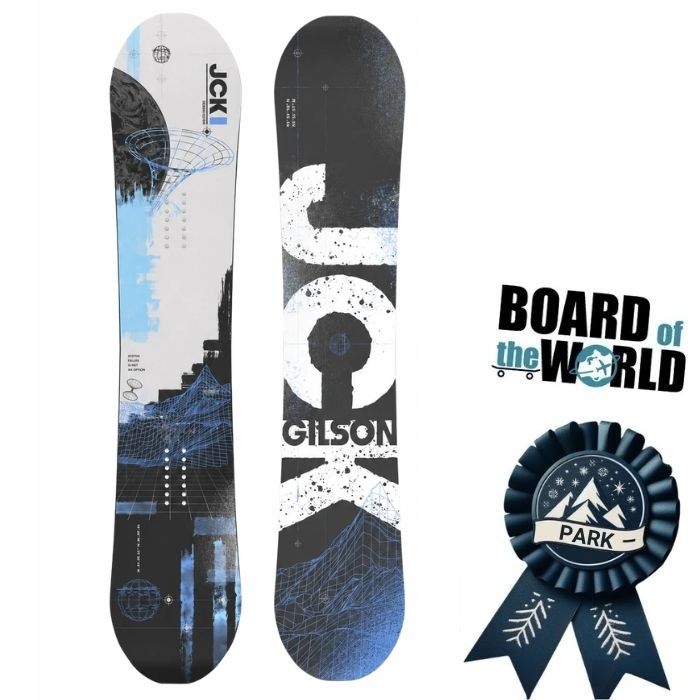
Reader Discount Price: $585 (usually $650)
with Gilson Snow coupon code: BOARDOFTHEWORLD27
How I Tested the Gilson JCK
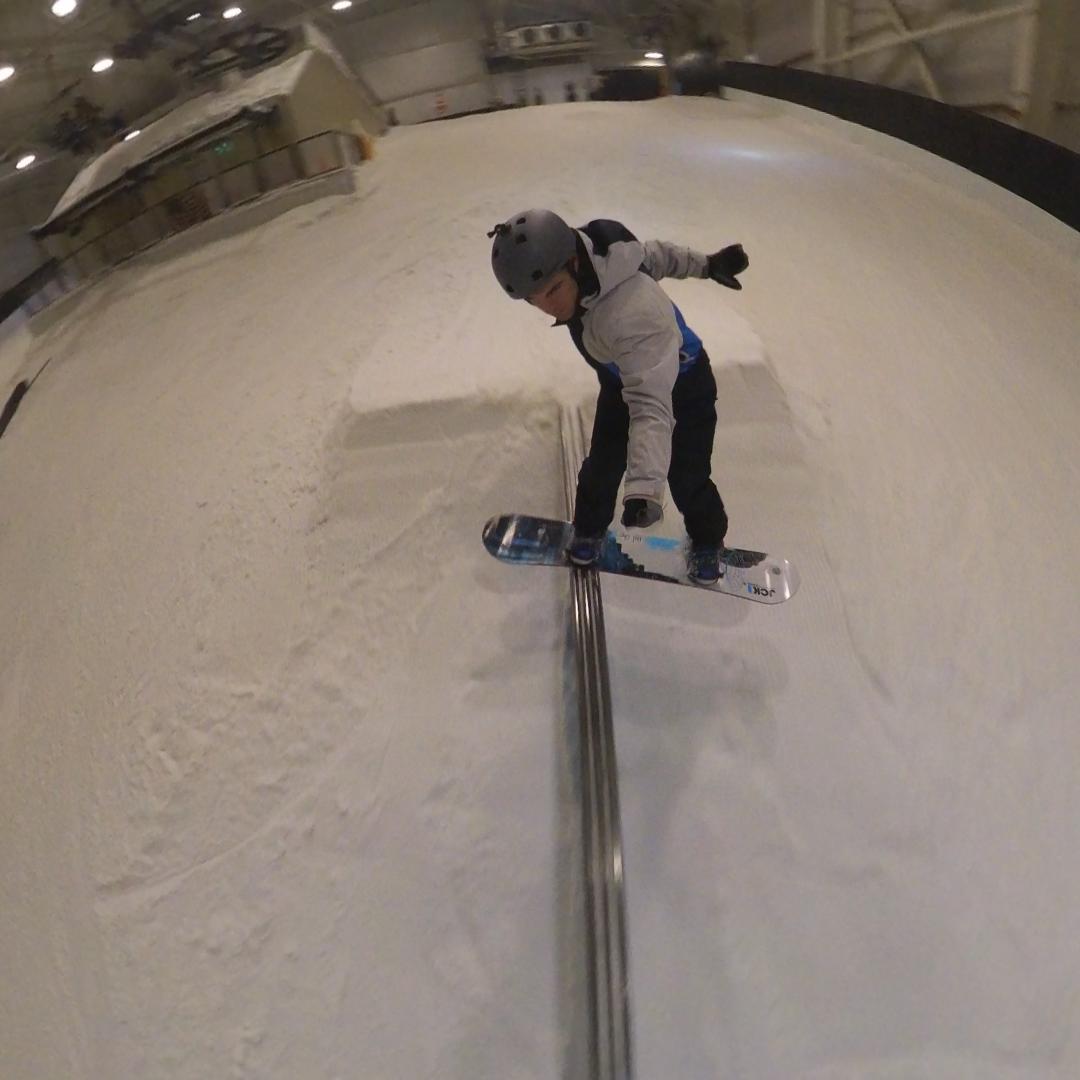
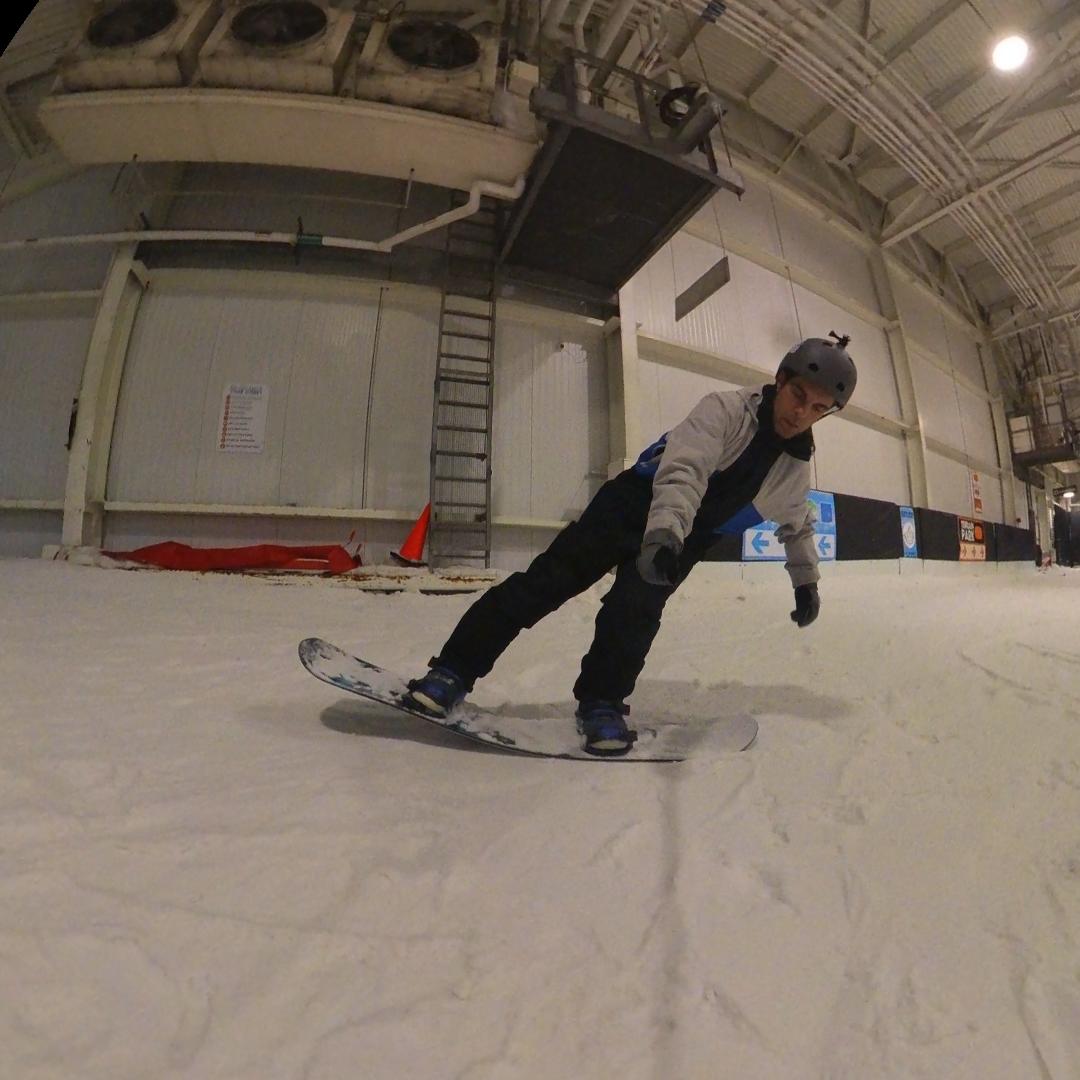
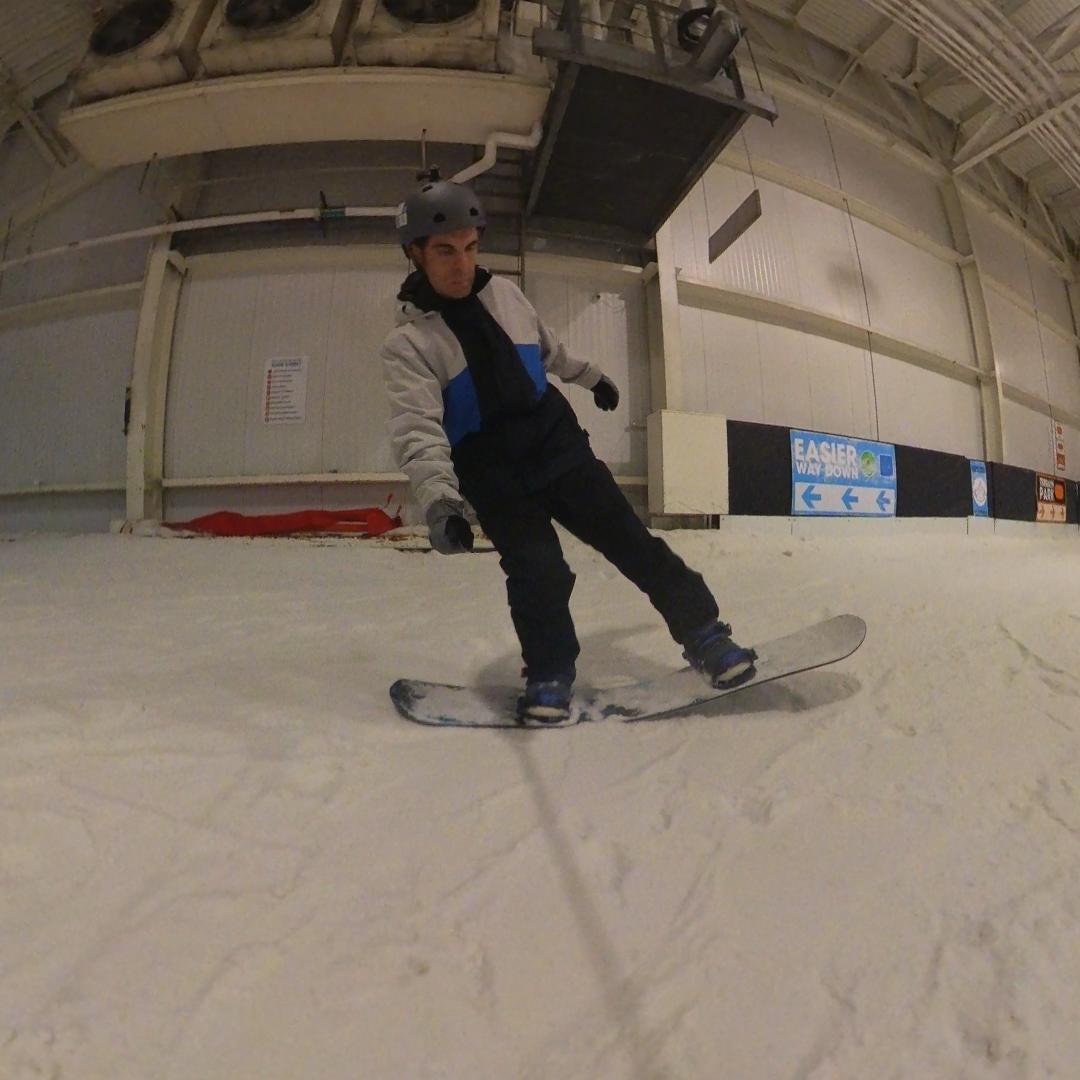
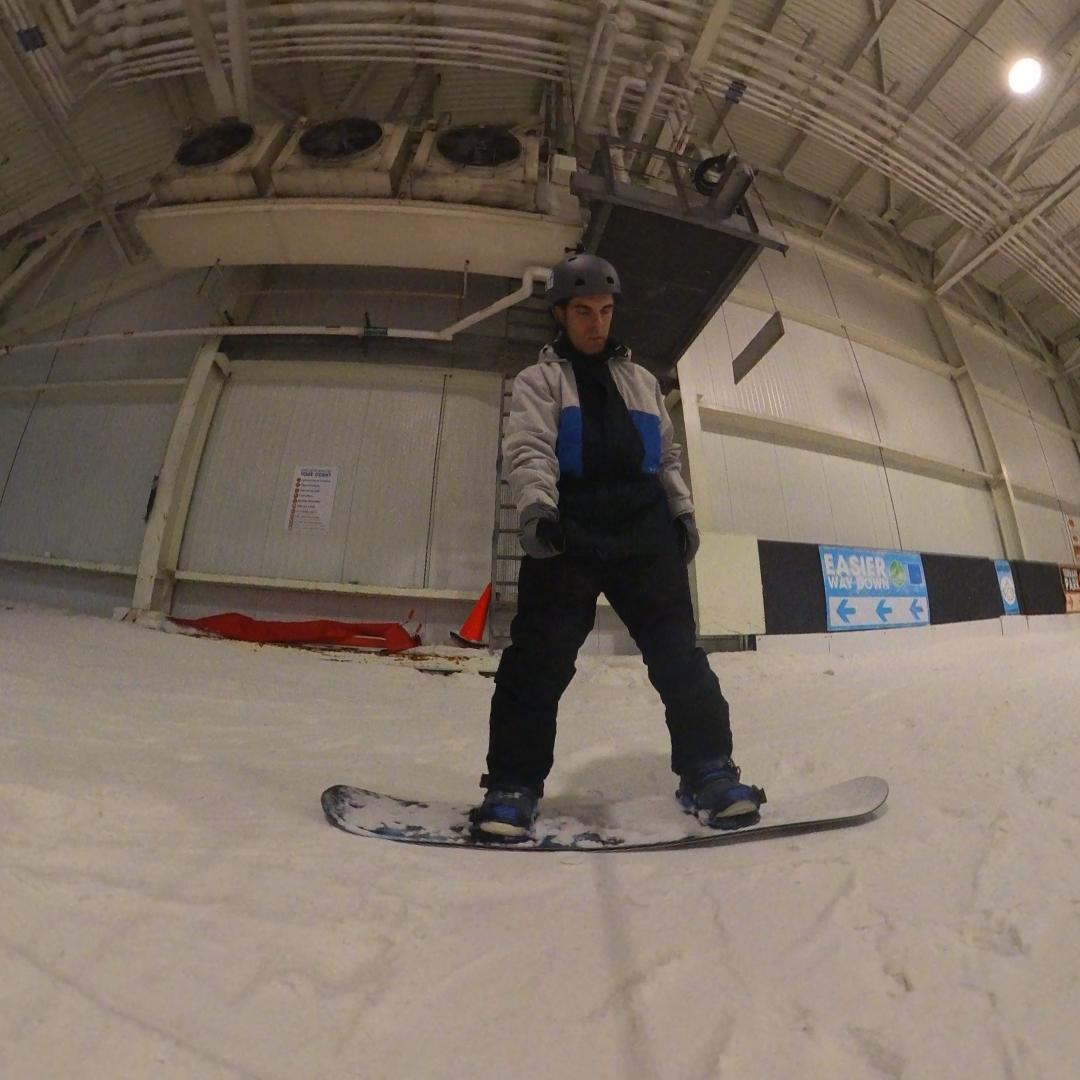
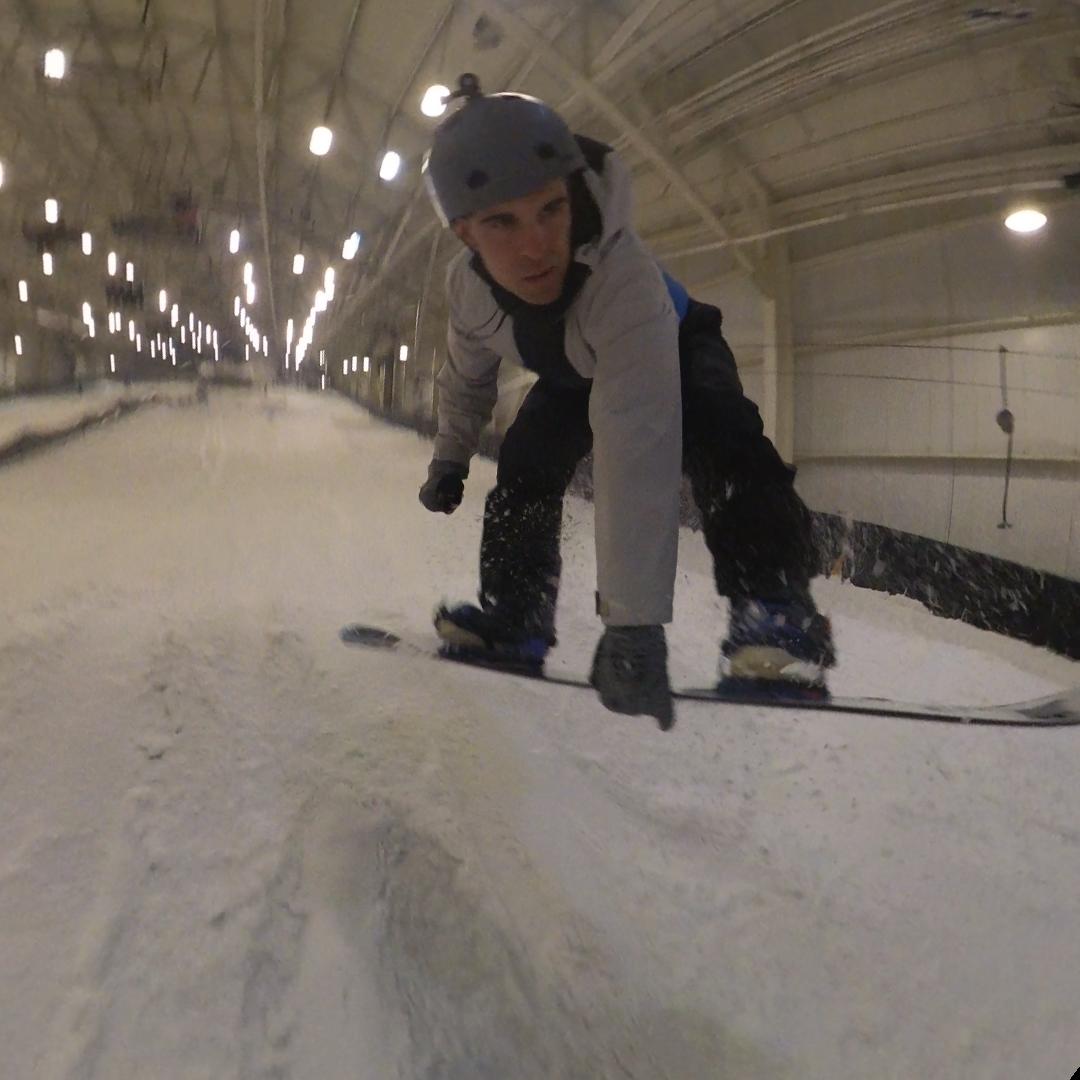
I rode the JCK at Big Snow American Dream on October 30, 2026, from 1pm until 5pm before their Park After Dark event that night. It was pretty crowded. I got around 19 laps in total. It included 15 park laps where most of my runs consisted of hitting three jib features and the one small kicker that they had set up in the center of the course. I also took 4 carving laps on the left side course to get a better feel for the deck’s turning experience.
Before my first lap I slightly detuned the edges with a few light file scrapes, and I set my Union Ultra bindings to a mellow duck stance of +6/-6.
Summary of What I Thought of the JCK
The Gilson JCK perfectly ticks all of the boxes that I look for in a new park board.
- It makes jibbing feel easier to balance on rail features.
- It can easily press into tall, stylish-looking nose presses and still butter easily without washing out.
- It helps make jumping feel easier, too. With the JCK, there is enough stability and pop that it can still jump well on small to medium-sized jumps. It isn’t an overly soft jib noodle. It presses thanks to its profile and shape, and not its overly soft flex pattern.
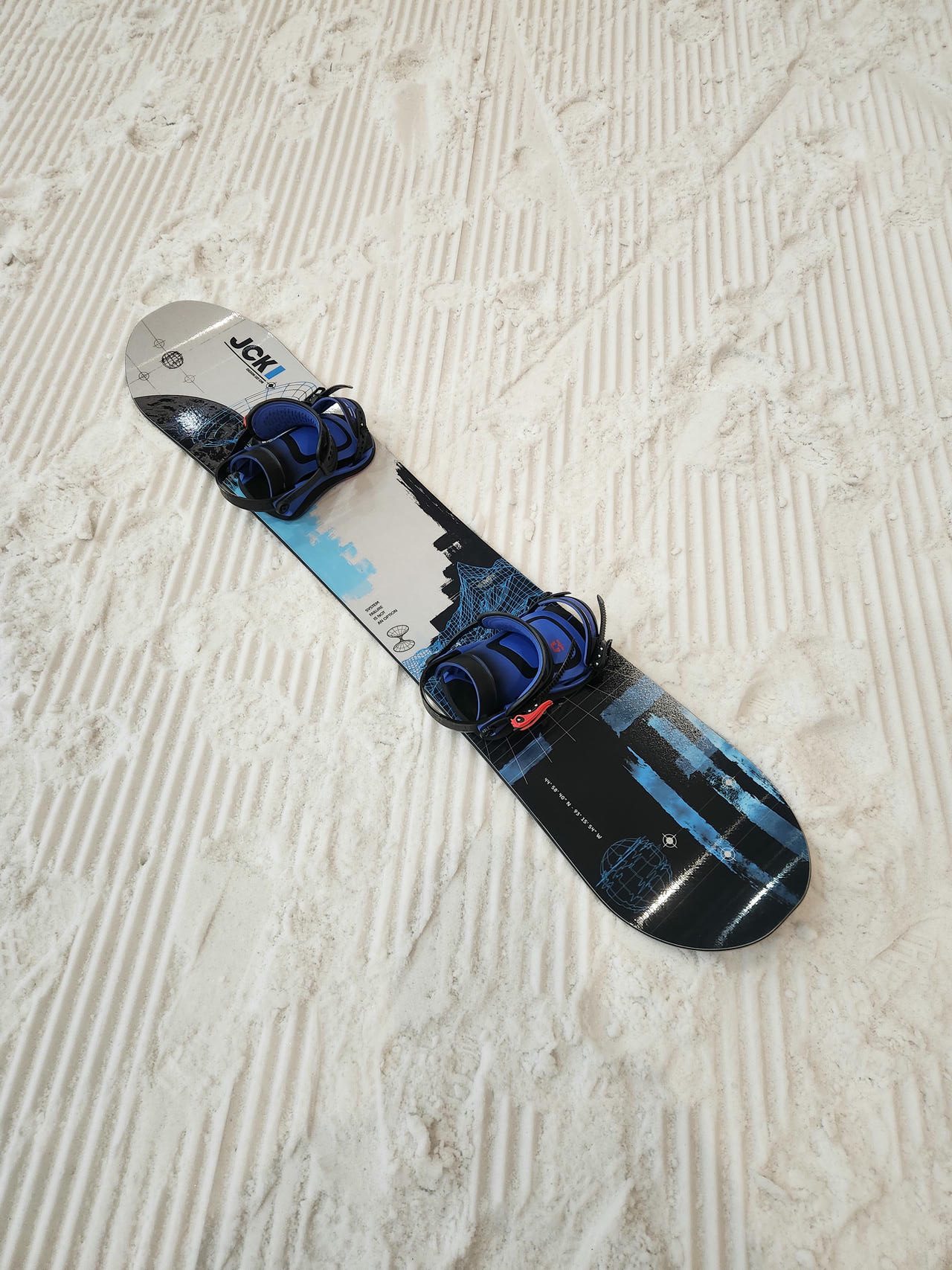
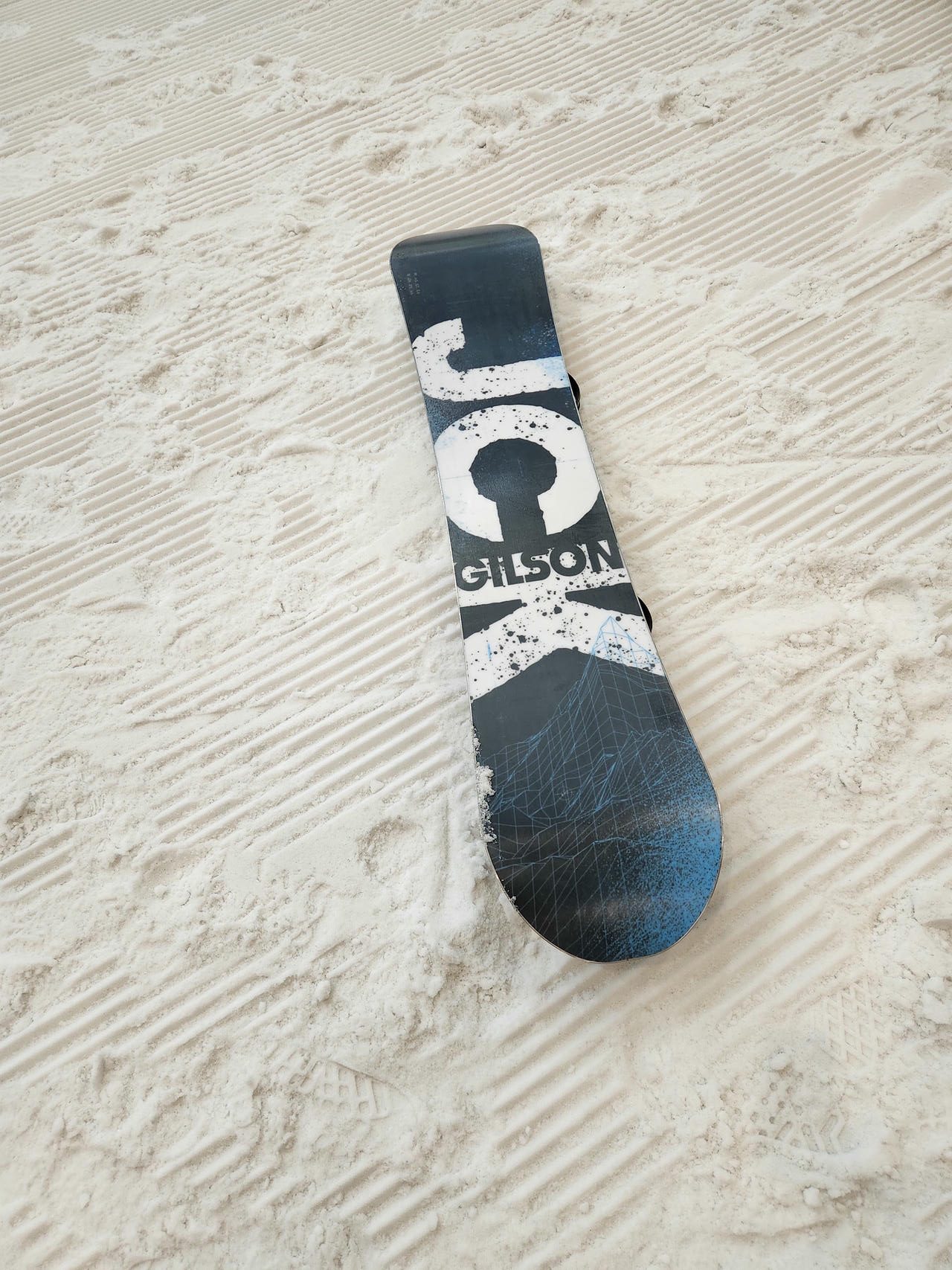
I’d say the JCK is a very close cousin of the Gilson Undead (Gilson’s best-selling park deck). The main differences are that the JCK is a board you won’t need to size down by 3-6 cm. You ride this one in your normal length, and it’s only available in a standard edge option (Gilson’s “flat base” option, which means the edges haven’t been raised in any way). So it rides like a normal park deck with a rocker section between your feet.
Carving-wise, it’s got a very quick turn initiation. It feels more nimble to steer than the Undead, all while keeping every single one of the Undead’s park benefits still fully intact, with it being a total beast for jibbing and buttering.
Park-wise, this board can nose press easily, and it makes landing new spins off jumps feel more forgiving to ride away from thanks to its hybrid profile.
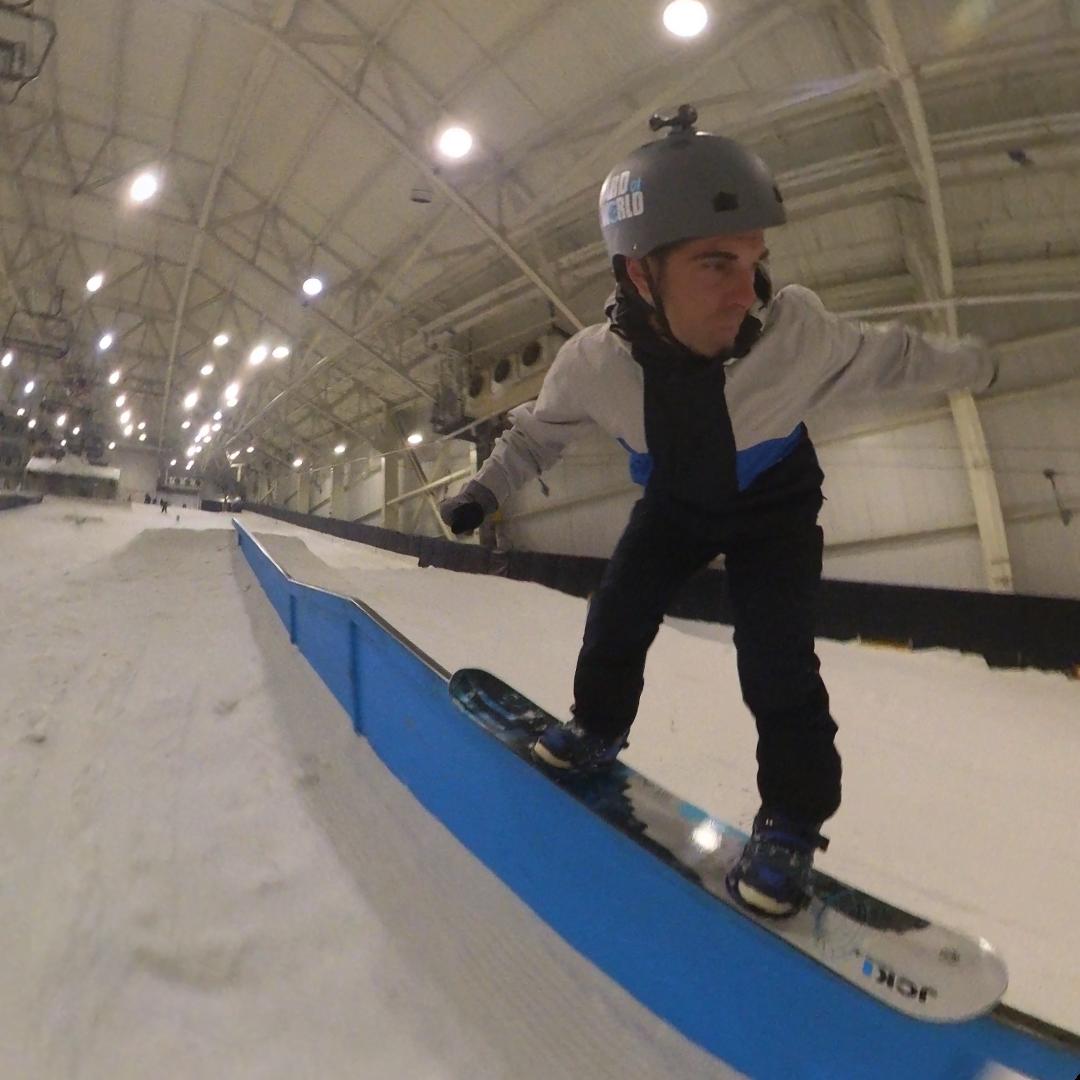
Overall, it was designed to help you level up your jib game so you can ride just like Jack Hendrickson. And it makes good on its promise. This is a deck that will level up your park confidence so you try that extra 180 on or out of your trick. And some of Jack’s confidence on rails really did rub off as I reviewed this board.
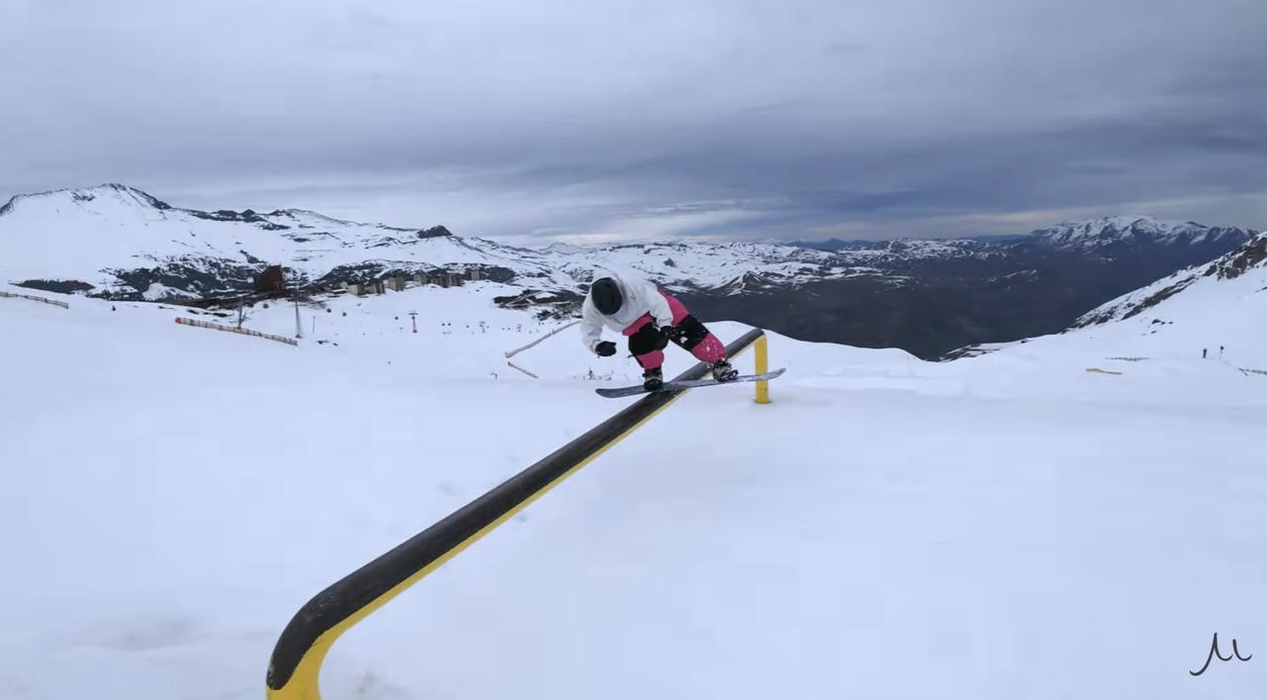
Its Park Super Power is How Easy It is to Nose Press
It is so easy to nose press with the Gilson JCK. You simply lean forward, and you’re pressing. That’s the board’s super power in the park, too. It makes getting a tall press, and jibbing in general, just feel easier.
To me, the JCK feels like it has a 4.5 out of 10 flex rating. Its pressability comes from its hybrid rocker profile rather than the board’s flex pattern, though.
The Gilson JCK’s Hybrid Rocker Profile
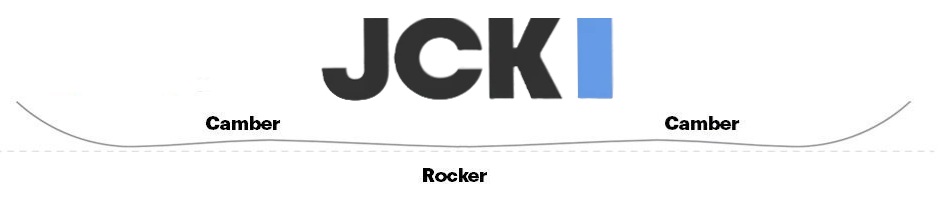
The JCK features Gilson’s Hybrid Camber profile. If you were to look at the JCK from the side, its profile would look like this.
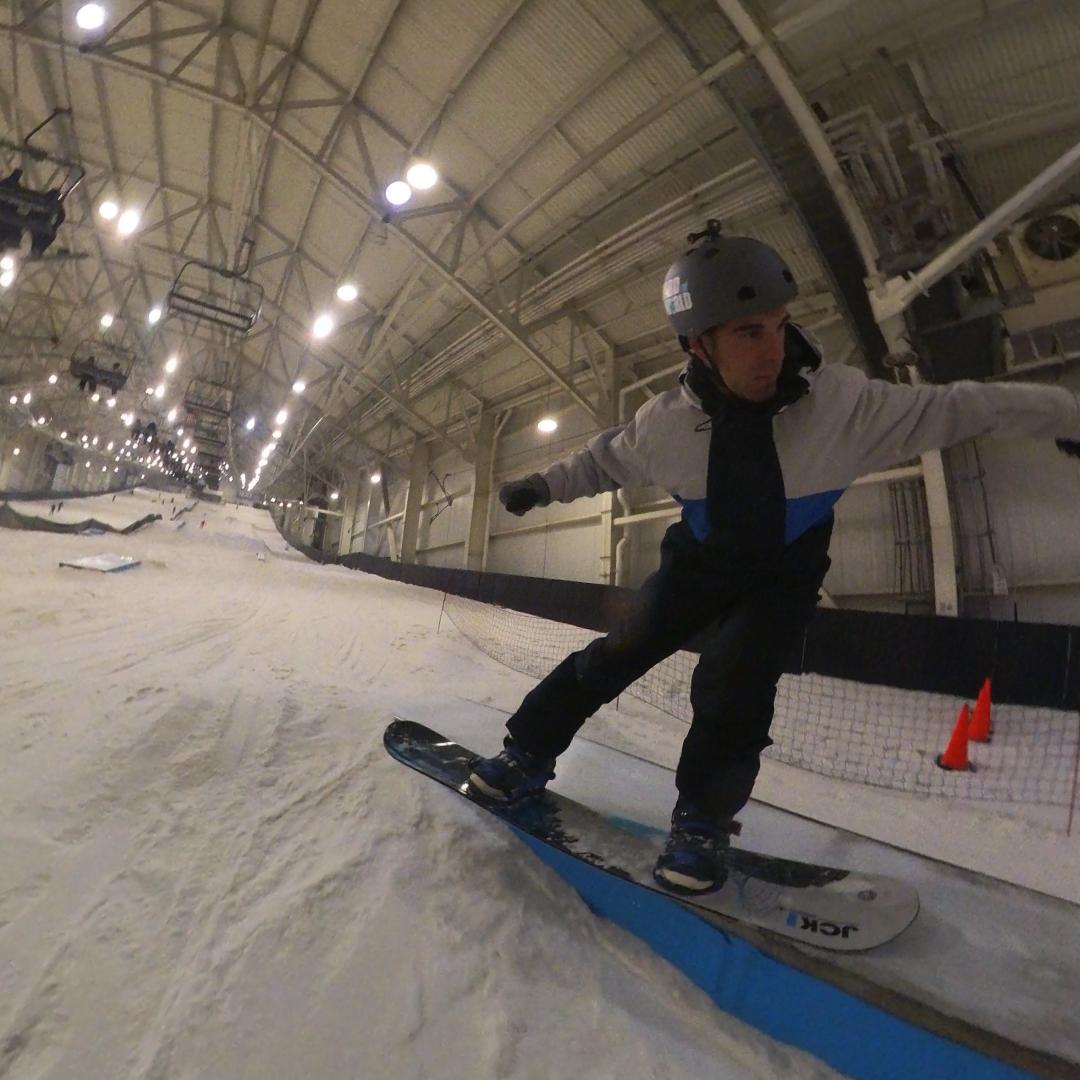
Here are some close-up images of what it looks like if you were looking down its sidewall at the curvature of the deck. This will give you an idea of how exaggerated the profile is.
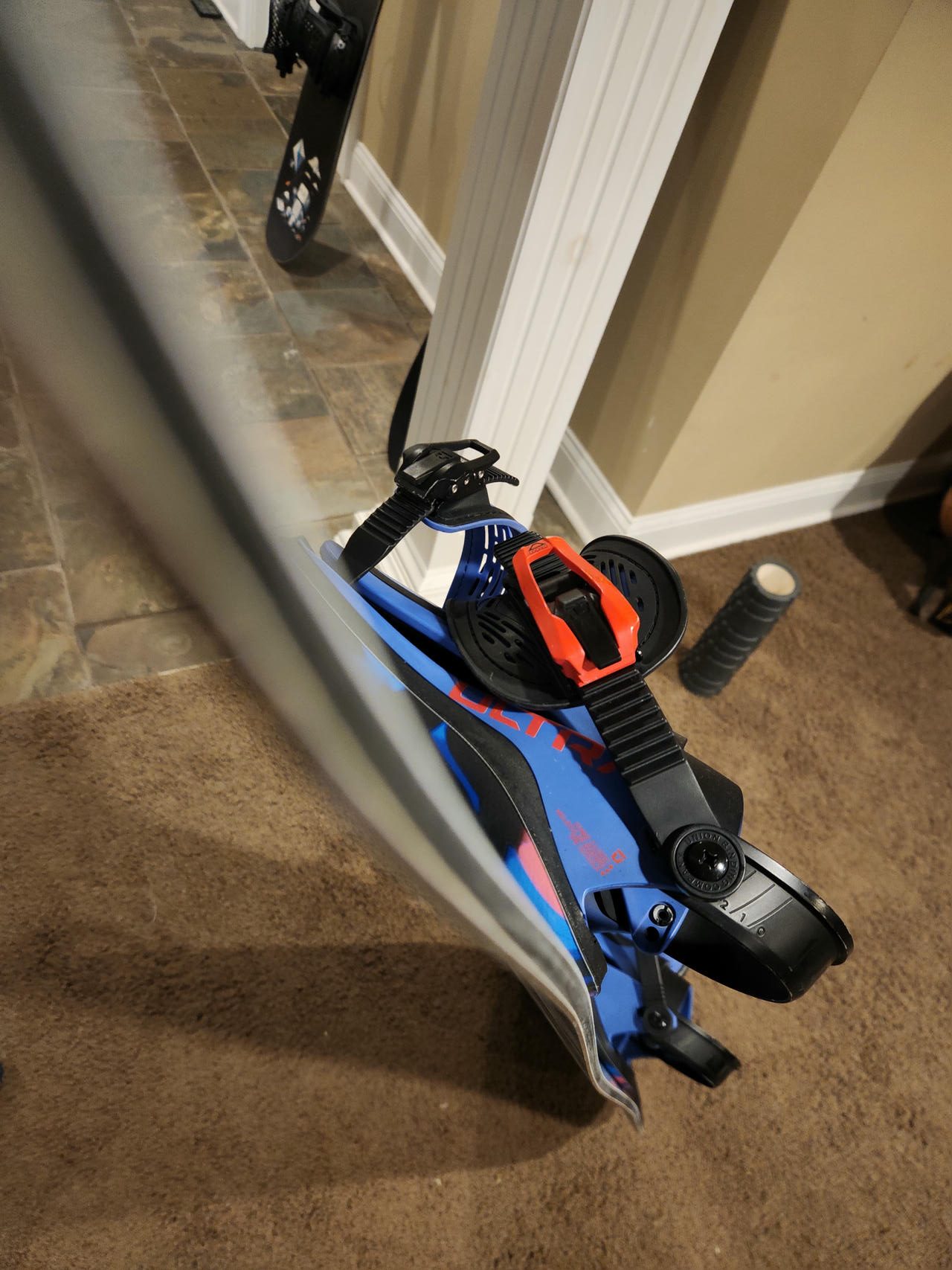
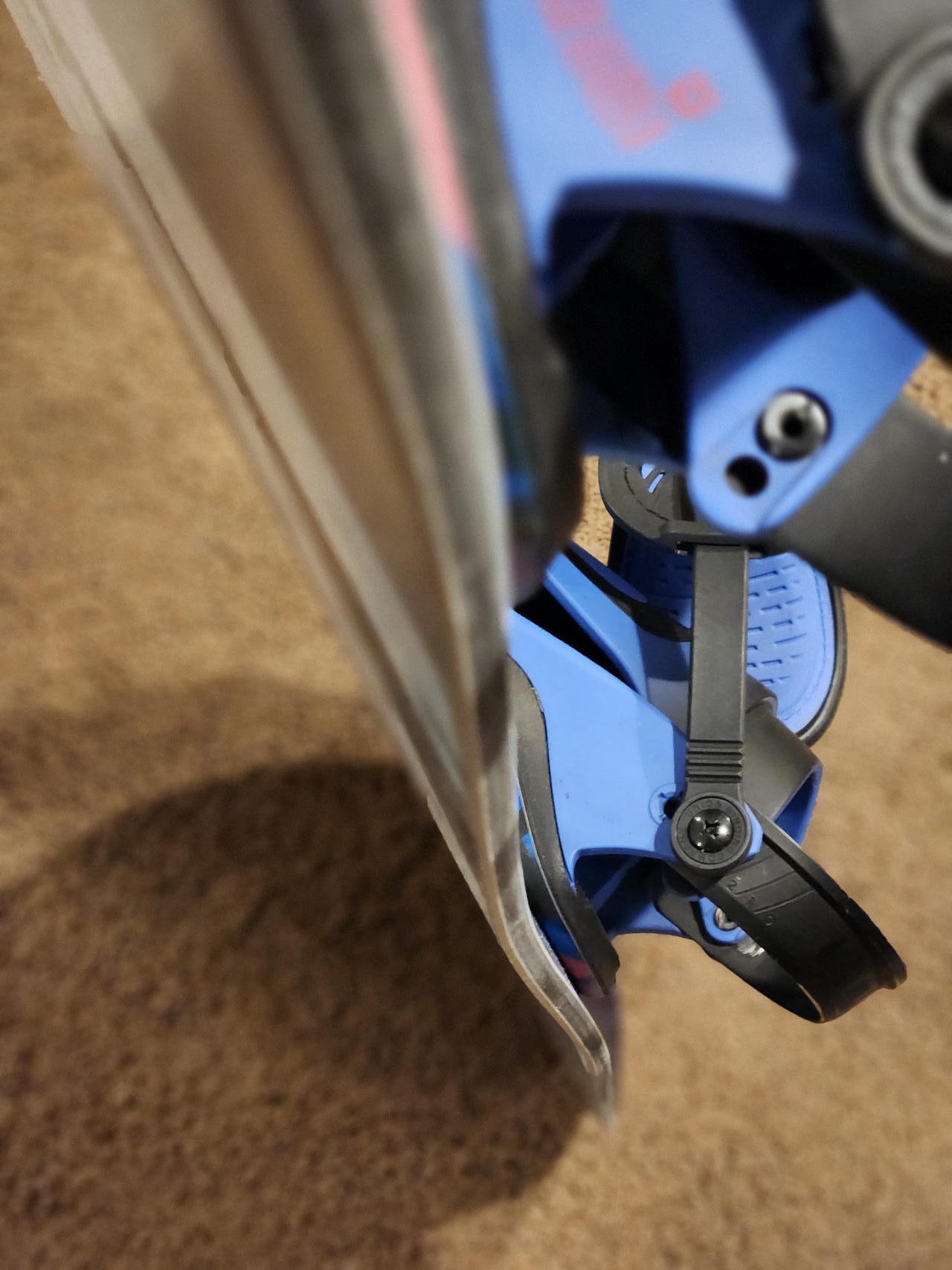
It has a rocker section between your feet, with camber zones directly under foot. That means the space between your feet is shaped like a lower case “u” and is resting on the snow, while the zones directly under your feet are camber (curving upward and off the snow like a lowercase “n”).
The benefit is that hybrid profile gives you a rocker-dominant section between your feet that makes this deck easier to nose press than a camber park board with the same flex pattern.
You Buy the JCK for Its Ability To Jib, Butter, and Jump, Not Its Carving Precision
The only real downside I’ve felt with this board is that it’s not going to be responsive enough for the freerider looking to ride as fast as possible and dig trenches with their turns.
That’s not who this deck is for, though. It’s for the East Coast or Mid West park rider who loves to jib and hit feature after feature and still needs enough stability and response to hit jumps. It’s not the snowboard you’ll use to win a banked slalom or hit your personal best speed with.
The rider who buys the Gilson JCK bought it specifically to help them jib, butter, and jump with.
It Has More Grip Than Other Gilson Decks
(But You’ll Probably Detune It Anyway)
The JCK is the first Gilson board with no 3D base option (the version where the edges are raised away from the base). The JCK’s edges are flat like any other snowboard. The edges come incredibly sharp, and they work super well to add an extra level of grip on ice. Even after I lightly detuned them before my first park lap, the JCK just felt more locked into ice and hard pack than any other deck I’ve ridden from Gilson so far. And while that’s noteworthy, the ideal rider for this deck will probably be detuning its edges so it can be as catch free as possible on rails anyway (so they buy the JCK for its flat and familiar feel for jibbing rather than its locked in level of grip on ice).
I share that note because this board actually has a decent level of grip for carving on ice, hardpack, and groomers. It’s just too good in the park for most riders to leave its edges as sharp as they arrive out of the wrapper. With a few detuning scrapes of a file, you’re set to jib with this deck.
Gilson JCK Score Breakdown
The JCK earned a 89.1 out of a possible 100 in our Park / Street boards rating scale. Here are the stats from the review.
Who Should Buy the Gilson JCK?
The Gilson JCK is a good fit if you:
- Spend most of your day hitting rails, boxes, and small to medium jumps.
- Want a board that’s easy to nose press. You simply lean forward and you’re pressing.
- Like to butter and spin on flat ground.
- Want a catch-free board but don’t like how loose a 3D base carves.
- Want an Undead feel at your normal length and width.
The Gilson JCK is not the best fit if you:
- Are an aggressive rider looking for a stable board to hit your personal fastest speed. It’s more for park and casual cruising.
- Ride powder often. Check out a more powder-focused board.
- Only want camber. Rocker between the feet takes a few laps to get used to.
- Want the lightest setup possible.
Pros of the Gilson JCK
- Effortless presses: Lean forward and the rocker between your feet just kind of leaves you there to be nose pressing.
- Butters for days: I got a 720 butter within two tries. On most boards I get a 360 and have to work for it.
- Quick edge to edge: More nimble than the Undead because it isn’t as wide for its length.
- Flat base, not 3D: Catch-free without the loose feeling of Gilson’s 3D base on carves.
- Made in the USA with a 5 year warranty: Built in Gilson’s Selinsgrove, PA factory.
Cons of the Gilson JCK
- Less responsive than the Bounty Hunter / Most Camber Decks: The JCK is quick to edge and locked into its turns, but it doesn’t have the same level of carving response as the Gilson Bounty Hunter or a stiffer camber. So if going fast and carving are what you love to do on your snowboard, go with the Gilson Bounty Hunter in its flat base option.
- Precise landings: With a rocker section between your feet, you really have to be precise with where you lay your edges down when you land on spin tricks. So far, I’ve been reverting my spins on this deck. The benefit is that it is so forgiving to land spins with, that you will no doubt learn something new with this deck, though.
- Average weight: My setup weighed 10.9 lbs. That’s around a pound over what I’m used to riding but it is still very much an average feeling deck. It doesn’t feel heavy. It just doesn’t feel overly light either.
- Price: Even with my discount code it costs 2.7% more than the average Park/Street deck. The cost goes to its made in the USA build and the extended 5 year warranty, though. Altogether, those make it worth it if you’ll be abusing your deck on rail features in the park.
Actual Feel of the Gilson JCK’s Flex
Gilson rates the JCK a 3/10 flex. The deck felt more like a 4.5/10 to me. It’s the profile that makes it feel soft, because you simply lean forward and you’re jibbing, but the deck itself doesn’t feel overly soft. It still has some oomph to it, some power and response, and it’s still responsive for carving. It might soften up more once it breaks in.
Why Does the Gilson JCK Grip Without a 3D Base?
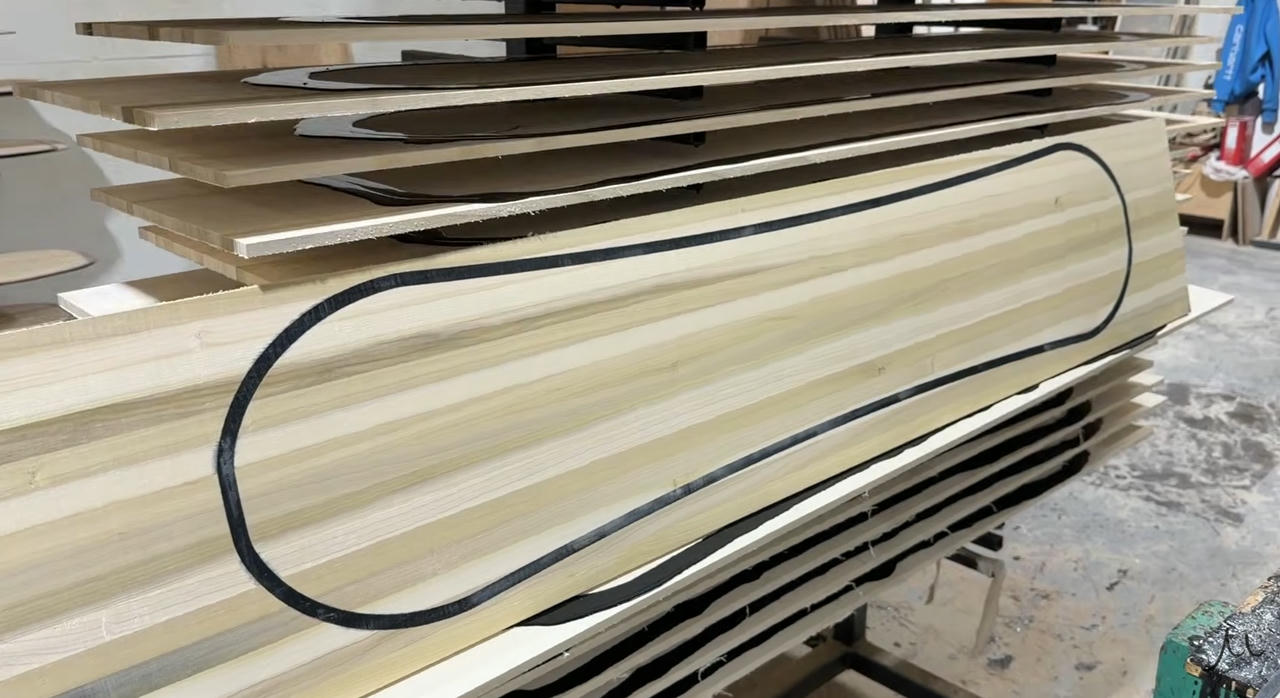
Gilson is usually known for its 3D base tech, where the edges of the snowboard are a few mm risen above the base of the snowboard. However, the JCK is the first board on the line that doesn’t have that feature or an option for it. It’s a flat based board with normal snowboard edges, just like the board you’re already used to.
Jack Hendrickson prefers a flat traditional base, and I do too, so I really like that take with this new model.
The JCK has rocker between the feet and camber underfoot on a flat base. When you put your toes into a turn, that hybrid profile adds pressure pockets to the edge, which keeps it locked into turns on ice and hard pack without needing to add in any extra serrations or disruptions to the sidecut.
How Is the Gilson JCK Different From the Undead?
- Width: The JCK is a normal width deck. The Undead is volume shifted, so it packs that same width into a board with a shorter length. The 153 JCK measured about 256mm at the waist, and that maps out to a Gilson Undead in the 149cm size with its 255mm waist. So the JCK rides just like a 4cm shorter Undead in the flat based option.
- Sizing info: Unlike the Undead, you’ll ride the JCK at your normal deck’s length. You’d size down 3 to 6cm on the Undead.
- Turning: The JCK felt more nimble edge to edge than the Undead.
- Base: The JCK has flat edges and a sintered base.
- Speed: The JCK felt a hair faster than my Undead out of the wrapper.
For the full breakdown on the Undead, read my Gilson Undead review.
How Does the Gilson JCK Ride? Performance by Category
Gilson JCK Jibbing: 10/10
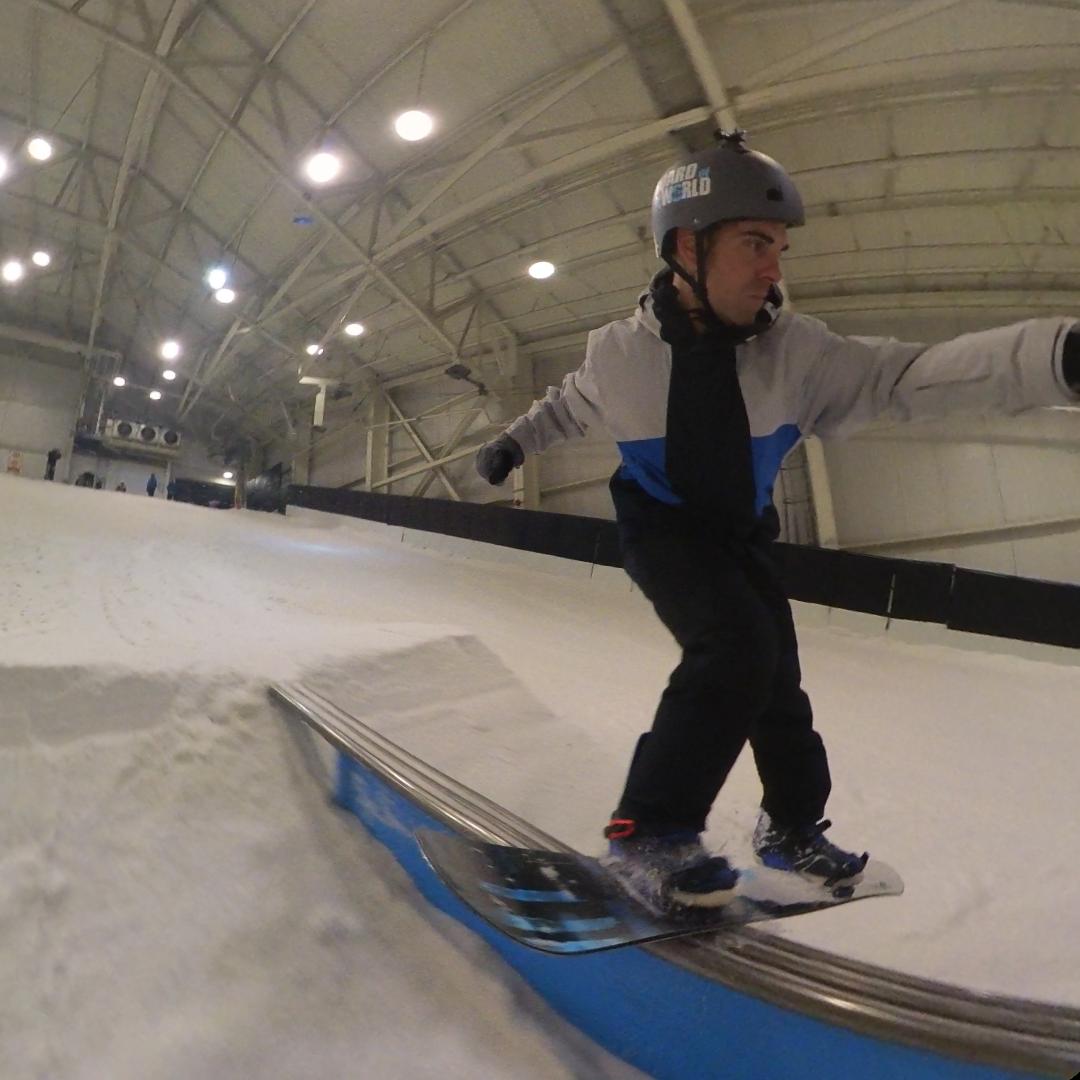
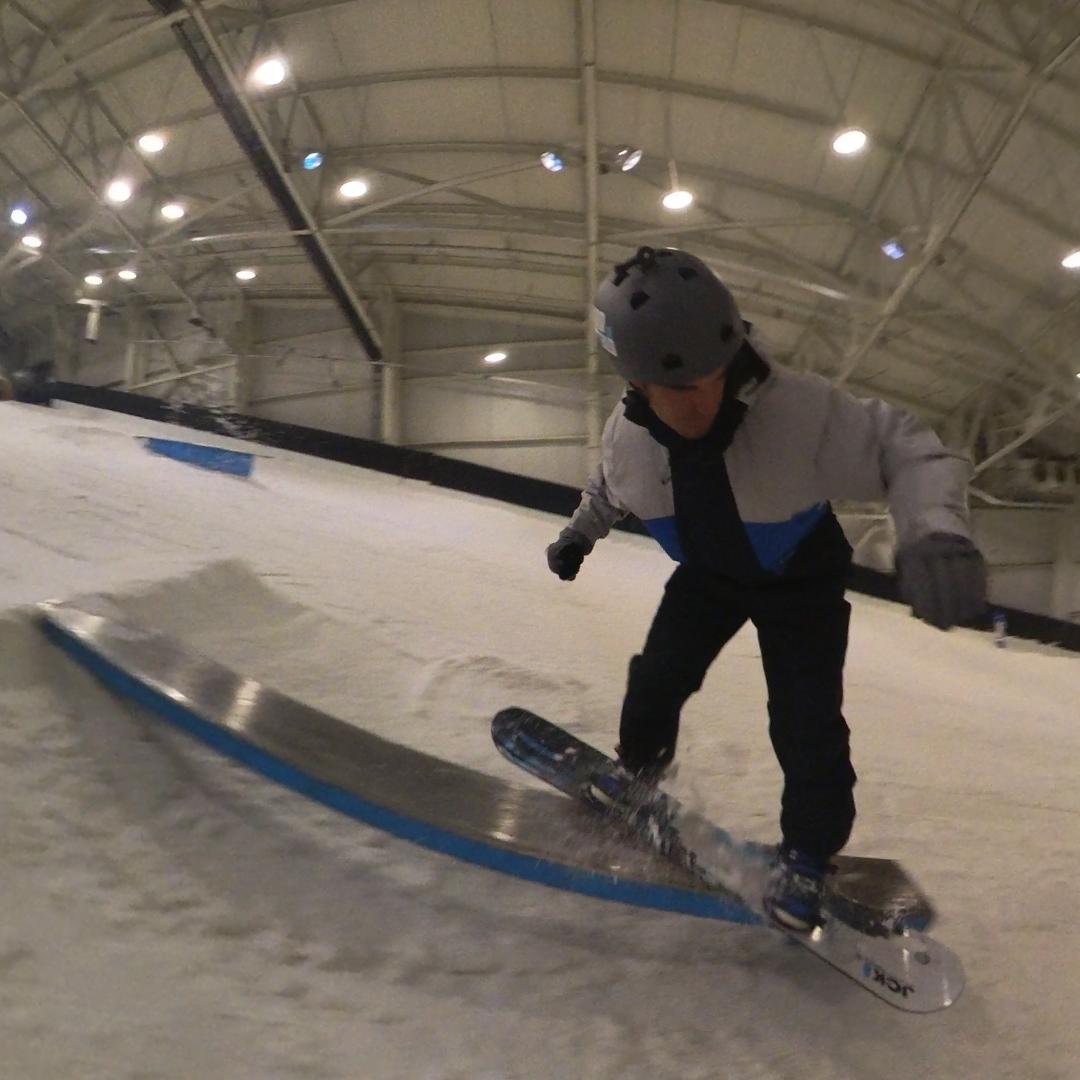
This is the board’s true home. As a main jib park deck, it’s so easy to nose press with this snowboard.
You simply lean forward and the rocker between your feet just leaves you locked into your pressed position.
It is easy to get sideways with on features too. The camber zones under your feet work well to give you a section to aim for that cradles around the feature to hold you in place, until you’re ready to pop out.
The loaner I rode for this review came in new condition with edges that were so sharp that I lightly took a file to them to detune for jibbing.
The jibbing highlights were me trying to get my jib legs back beneath me, because I’ve been spending all summer skateboarding. I did a lot of 50-50s on various features. I got the down flat down a couple times, and the JCK really felt locked in through the kinks.
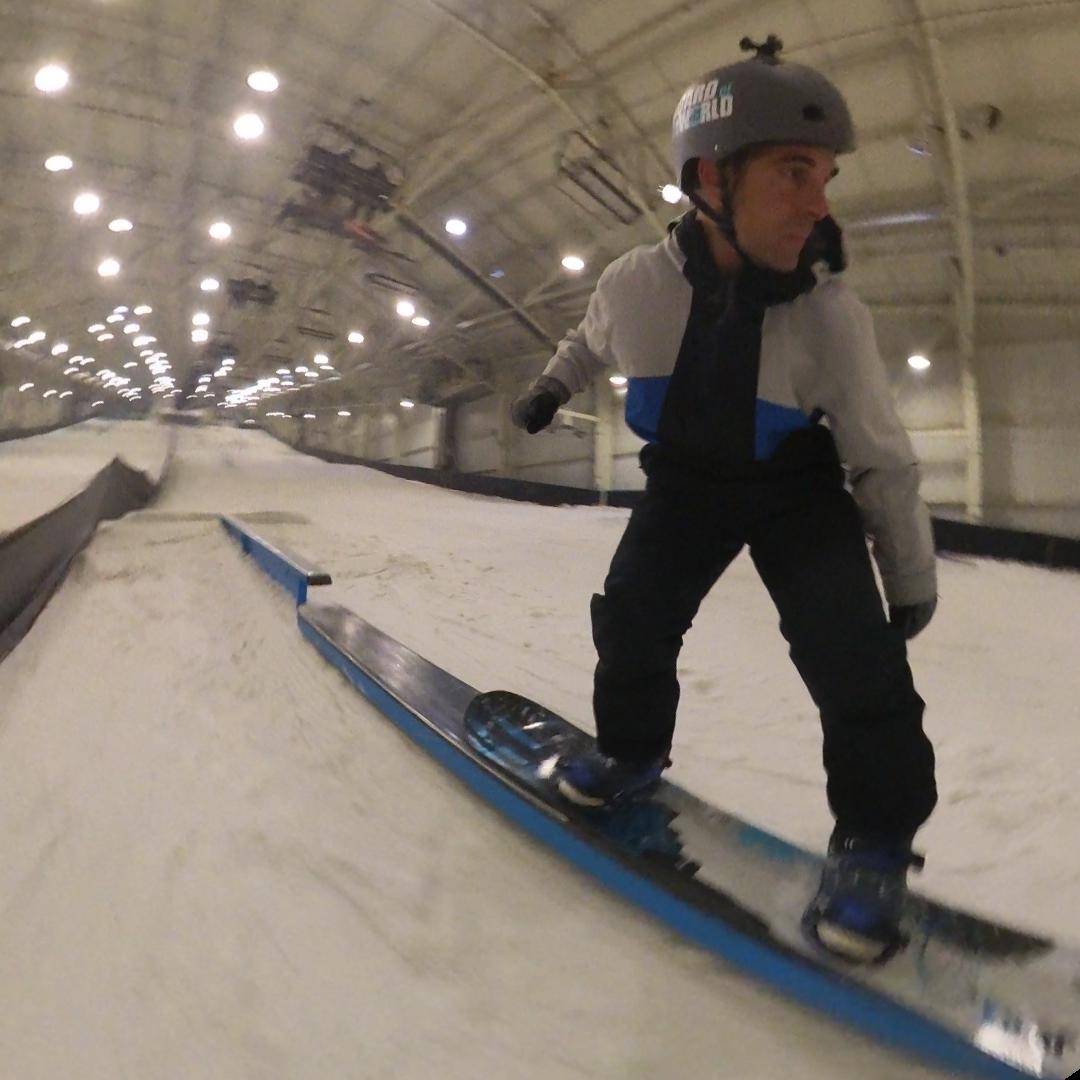
I hit a lot of the flat bars too. They had a double barrel flat bar right at the top that I was doing tailslides and 50-50s on. There was a battleship that I 50-50’d on the top and then front boarded at the bottom. They had a long multiple box feature that I tried to nose press and kept falling on. And there was a round rainbow box right at the bottom of the course that I nose pressed, and that one felt the best.
My nose presses started to go a little off axis where they look more like crooked grinds, but I’ll take it for one of the first sessions back after a long summer.
Gilson JCK Jumping and Pop: 8.5/10
The JCK is excellent for hitting jumps, too. It’s got a decent level of pop, and the profile seemed to give me a little extra boost out of features for that extra 180 out.
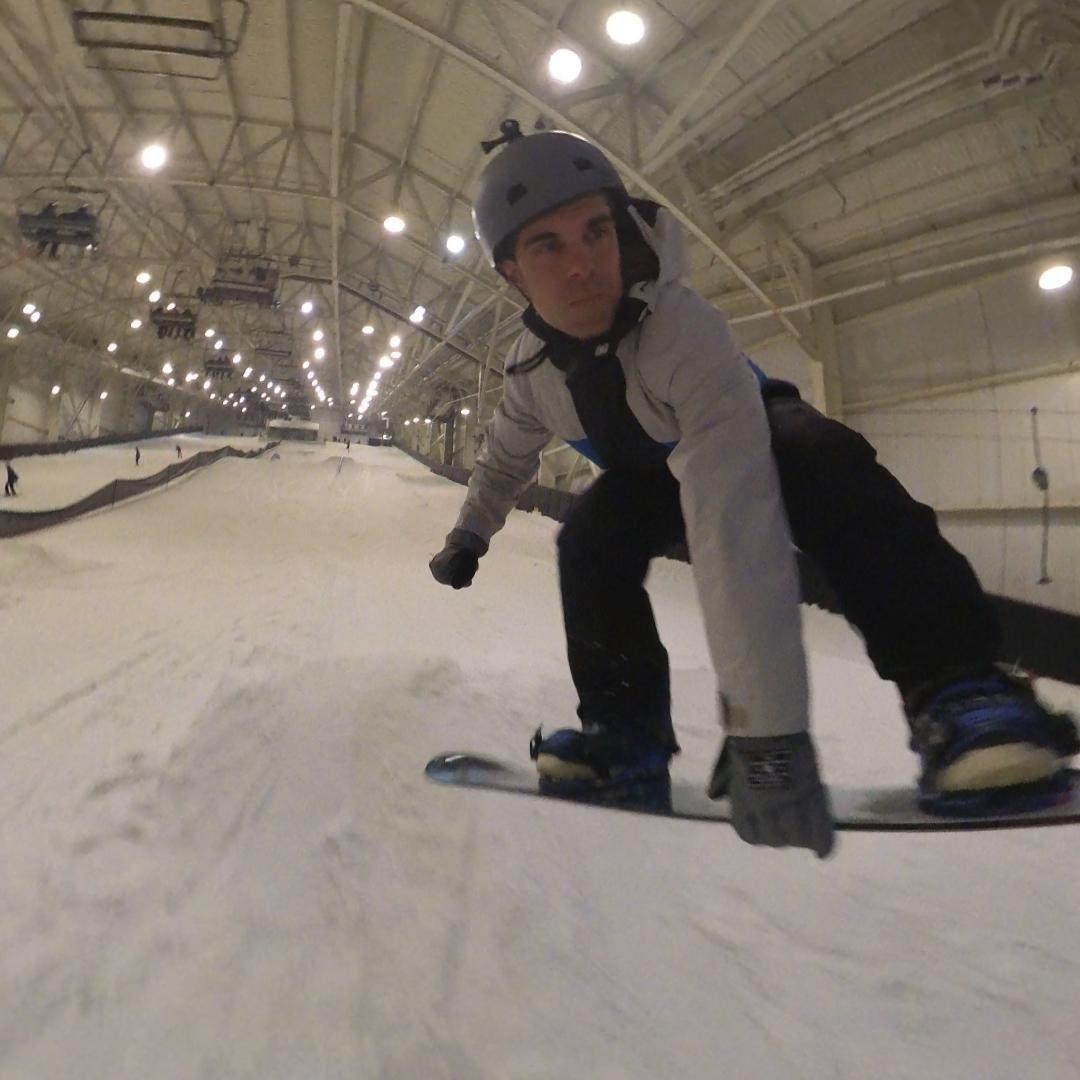
I think the real jumping benefit is that it’s catch-free on landings. The downside is you have to be precise with where you lay your edges down. So far when I spin, I’ve been reverting. That might be more me being used to camber, but the benefit is you can learn some new spins with lower consequences of catching an edge.
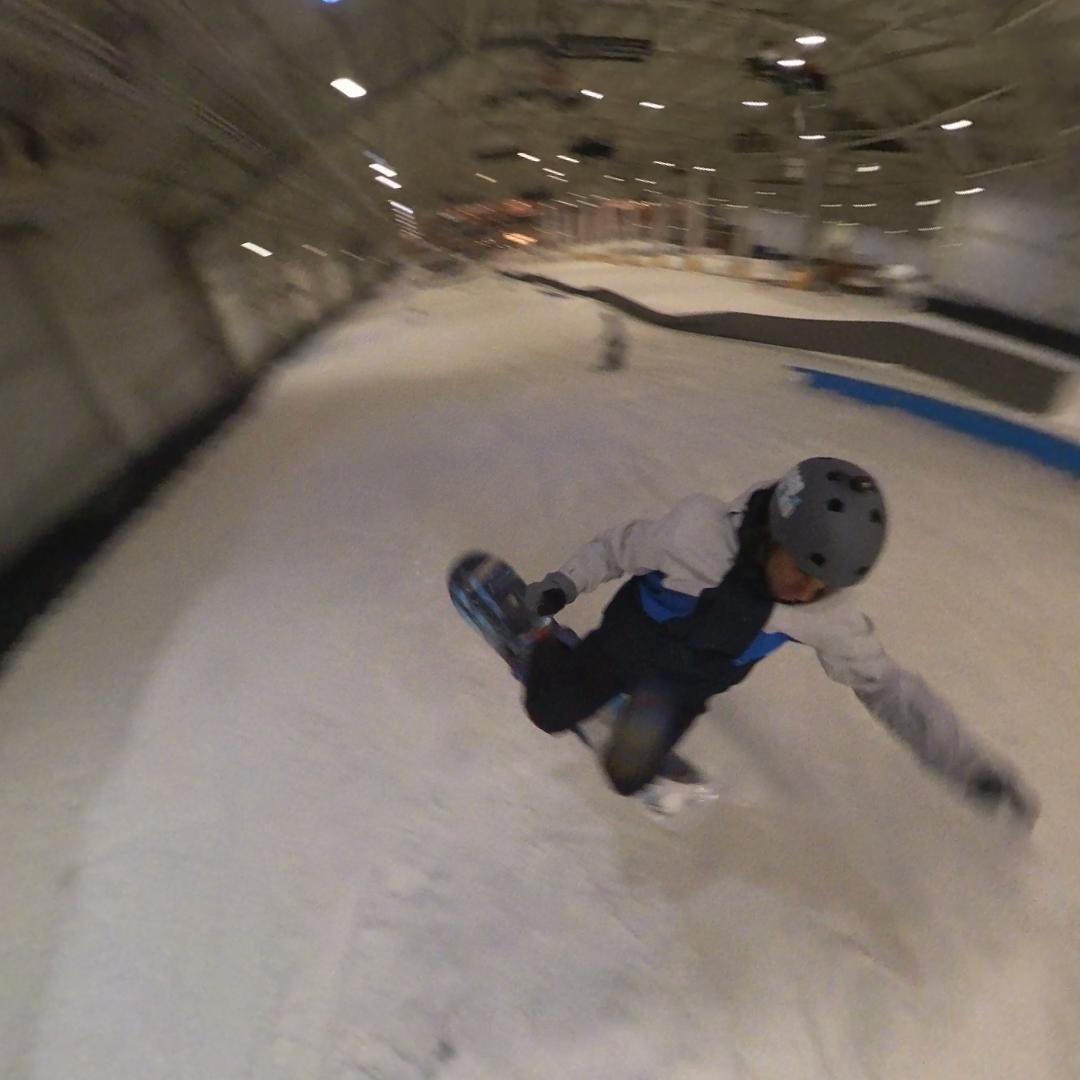
Jumping wise, there was only one jump, in the middle of the course about halfway down. I kept trying straight airs with mute grabs and indy grabs, and that worked out well. But I also wanted to see how the board landed when I was spinning.
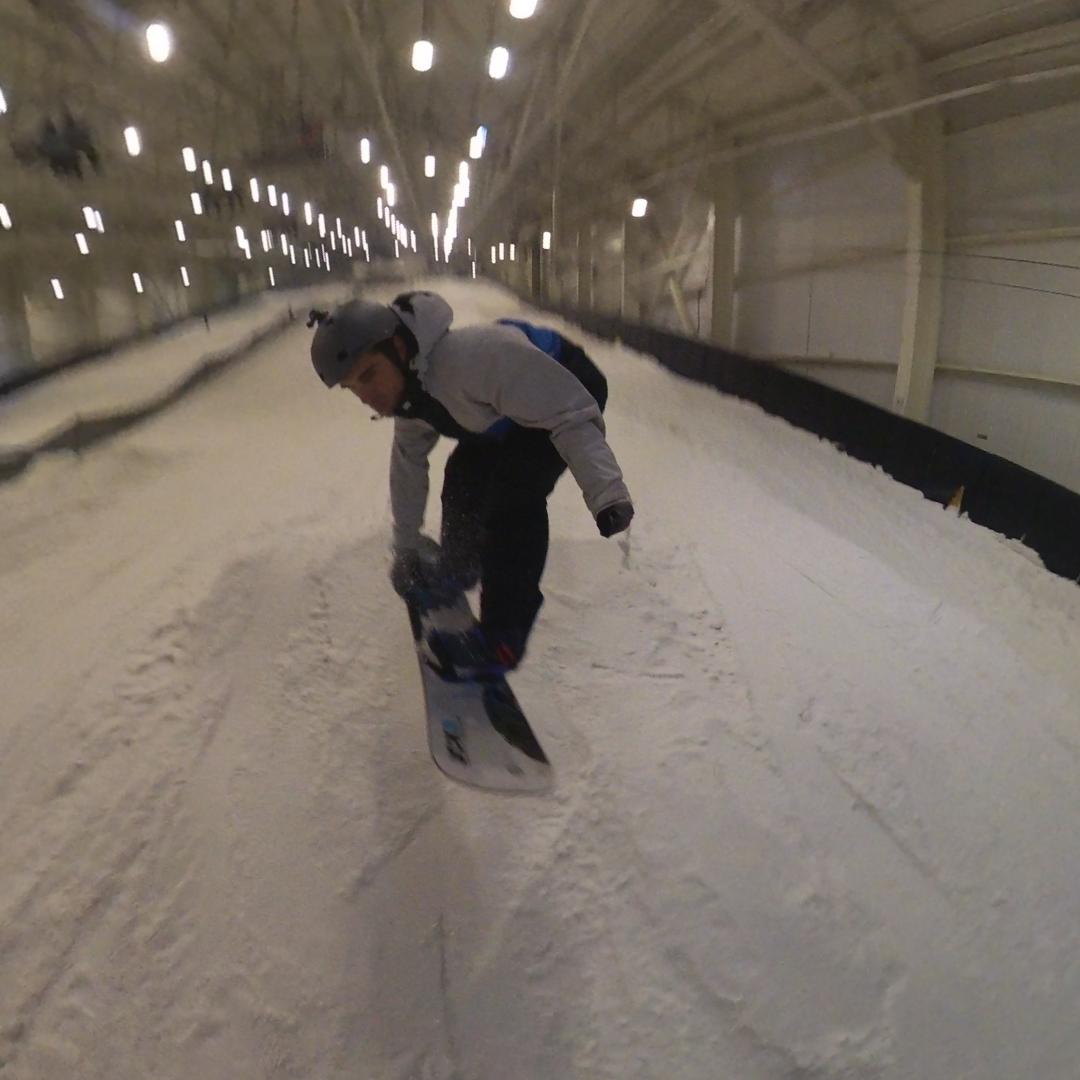
It’s relatively easy to spin with this board. The takeoff, the edge hold, and the pop just worked together really well to get you in the air and start spinning. However, with it being rocker between the feet, I found that every time I landed I was just a bit squirrely, and I would sort of revert into either a heelside stop position or a 540.
I think with some practice I’ll get better at engaging my toe edge so I stop spinning. It’s worth noting because this board is incredibly easy to learn new spin tricks with, thanks to how forgiving the landing is, but that same forgiveness means you could revert, so it does take some practice.
Gilson JCK Switch Riding: 10/10
The JCK is a true twin with a centered stance, so it rode the same in both directions.
Gilson JCK Buttering: 10/10
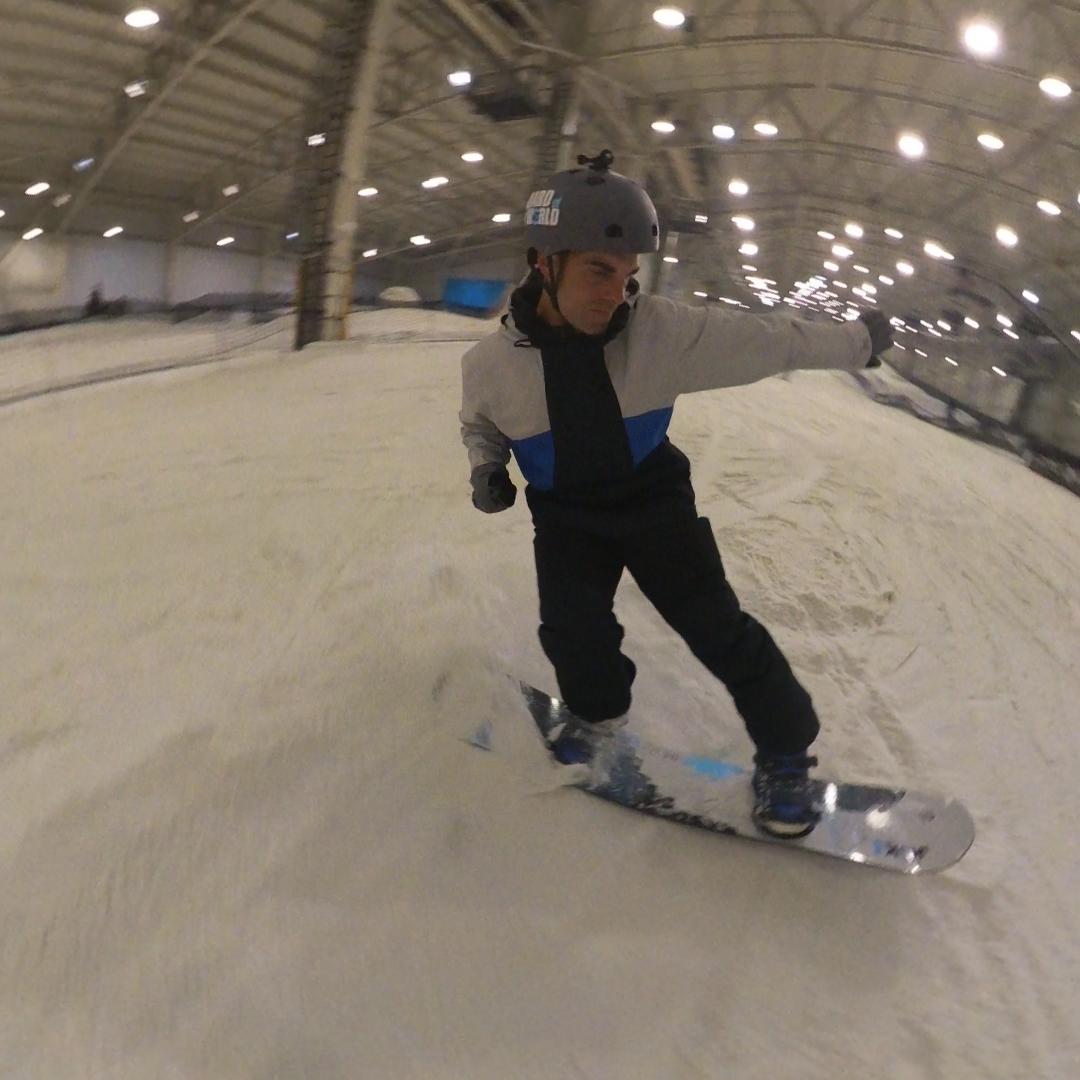
It’s very simple to butter with. On most boards I can maybe get a 360 butter. On the JCK I was able to do a 720 within two tries. I don’t butter often, so that’s good for me. I did it on the flat spot towards the end of the left trail. It really didn’t take much. It just kind of seems like if you want to keep going, you can. The only reason I stopped at 720 is because Big Snow is kind of small, and I ran out of speed towards the bottom of the hill.
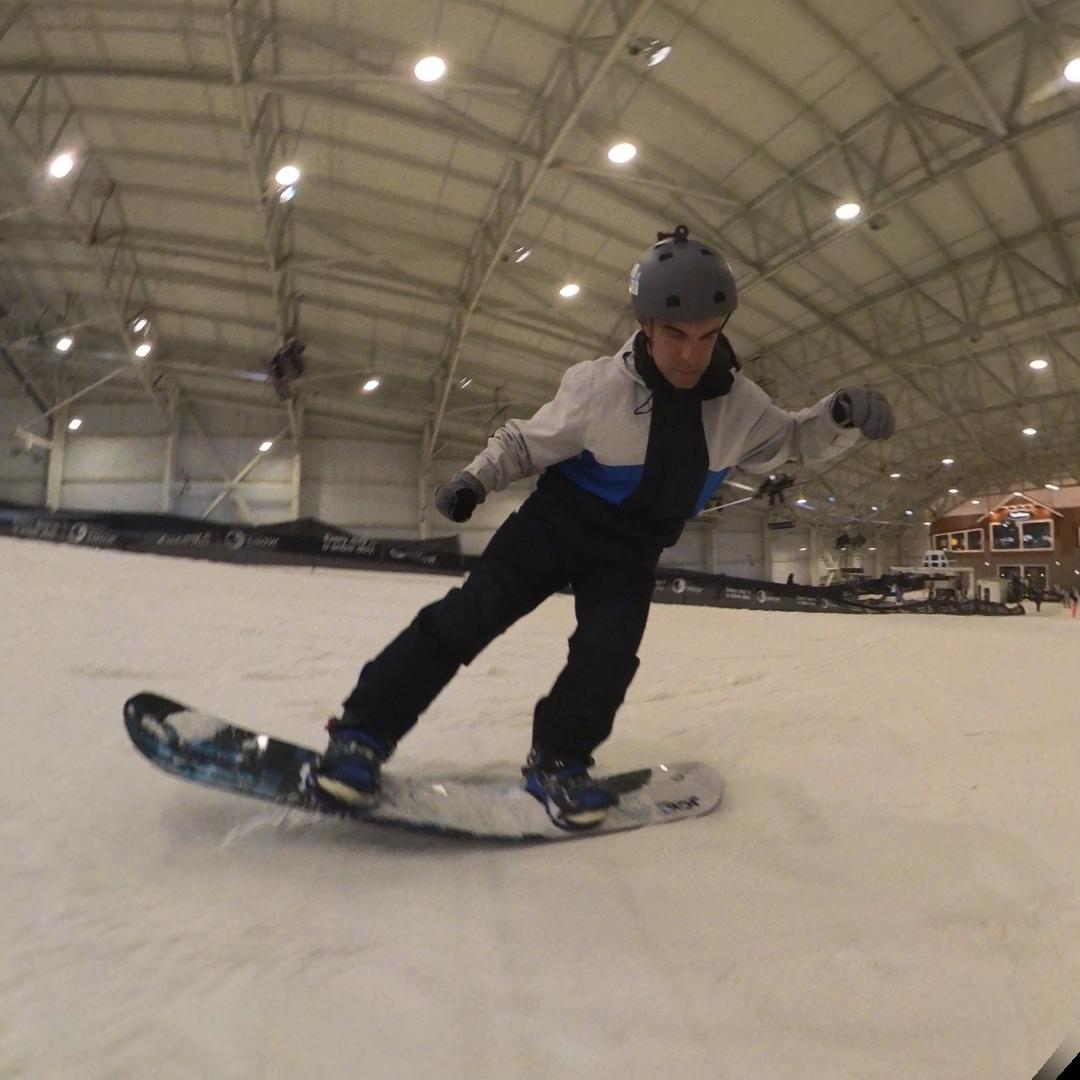
Gilson JCK Carving: 8.5/10
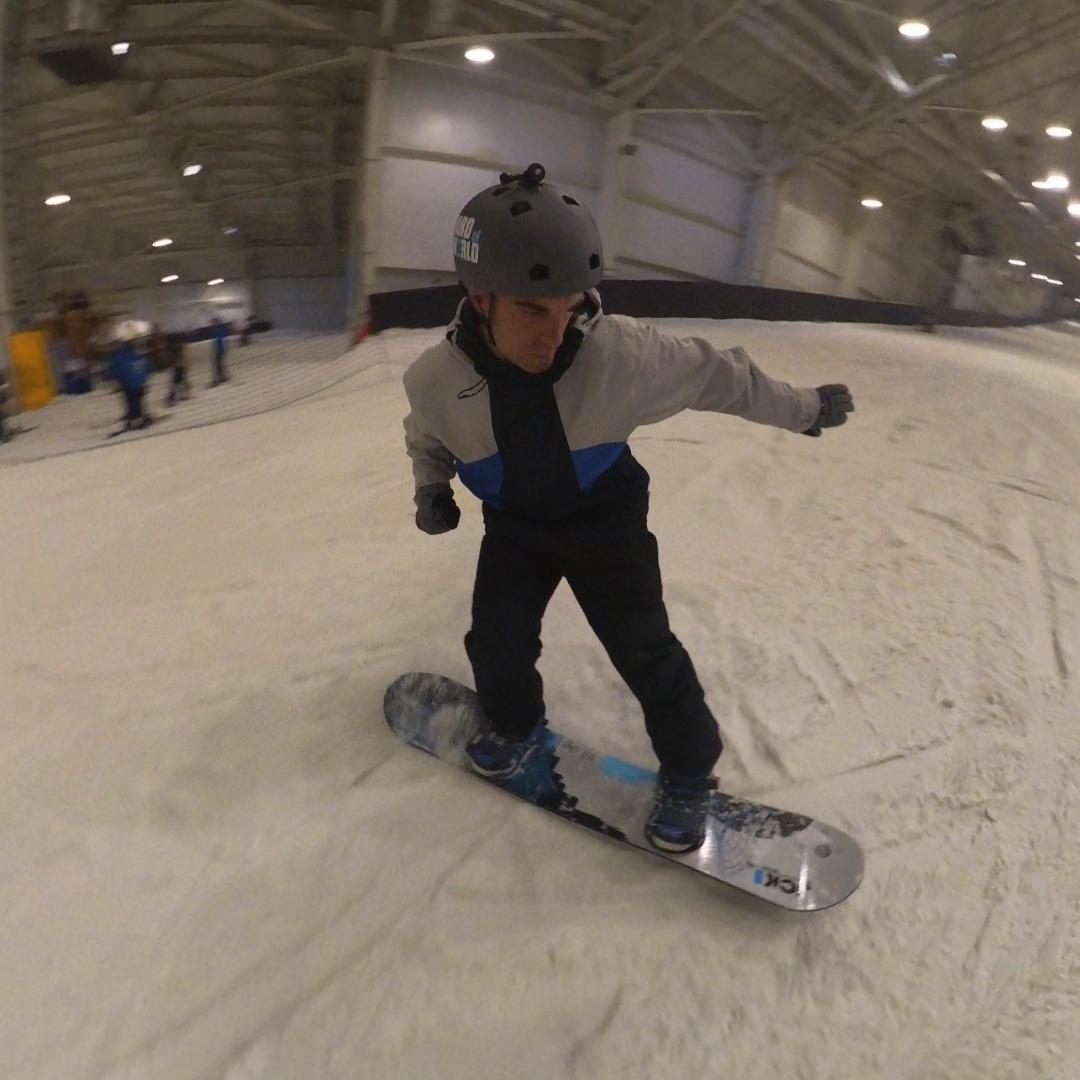
Carving wise, it was quick edge to edge and it has a decent level of grip. It was easy to get the hang of, even though I ride camber more often. It’s great in the park and for someone that jibs a lot, but it can carve decently well too.
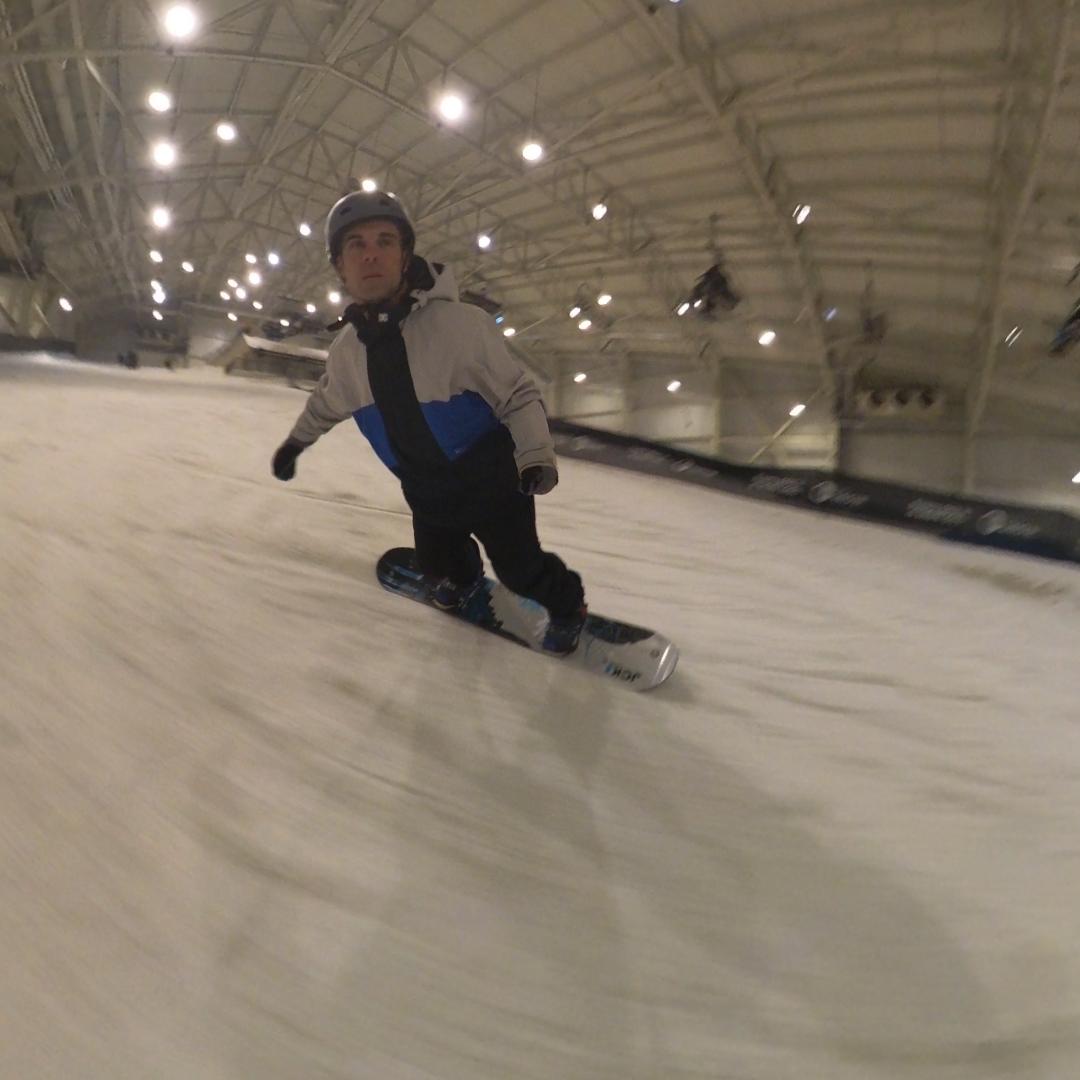
Gilson JCK Edge Hold on Ice: 7.5/10
Big Snow was busy and had icy spots, and the JCK dug right into them. The grip comes from the profile pushing the edge down, a lot like Never Summer’s R.I.P. edge tech, but my feet felt like the Easy Rider offered a little more. There are no serrated edges here, so keep yours sharp if you ride a lot of ice. I’ll update this when it snows here in PA.
The snow was icy before some of the features at the top. It’s as if the team that grooms the terrain just wasn’t there yet, and the features got rutted out really fast. So some of the setup carves to hit a box or rail were just straight ice. That’s where the sharp edges of the JCK came into play and worked really well. I felt planted, and I could hit the feature without being too sketchy.
Gilson JCK Responsiveness: 7.5/10
It’s quick to edge, it feels locked in, and it’s relatively responsive. It just didn’t have the same level of response as the Gilson Bounty Hunter or a board that’s a pinch stiffer with camber between the feet. That might be more a symptom of me not being used to rocker between my feet. It’s a more forgiving, somewhat responsive ride.
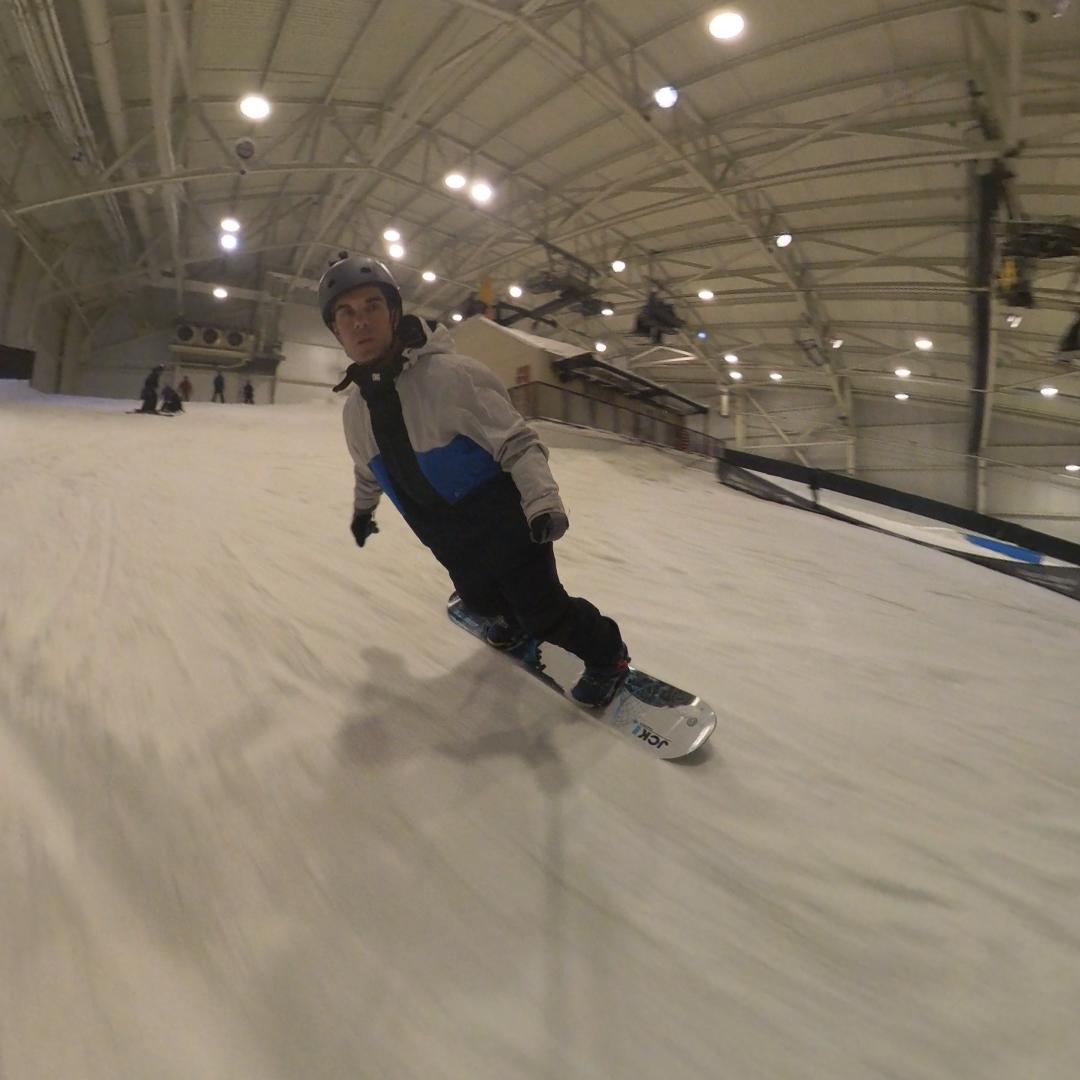
Gilson JCK Speed and Base: 8/10
Big Snow is usually really slow to get from feature to feature in the park or to carve all the way to the bottom. I didn’t have any issues with the JCK. The base is sintered and felt a little faster than the Undead. The JCK felt like it came brand new and prewaxed with a smoother stone grind, where my Undead felt dry out of the wrapper with a more textured base.
With me landing in a reverted position off the jump sometimes, I found it was a little tricky to gain speed. I had to pump and skip the box feature that’s immediately after the jump just to hit the next one. It worked well. I wouldn’t say the board is slow by any means. The factory wax it came with was pretty fast. It’s just that the snow at Big Snow is often dirty and slow, so you really notice when a board’s lacking in speed. This one wasn’t any more than usual. If anything, I’d say it’s kind of fast.

Gilson JCK Dampness: 8.5/10
The tips get some chatter, but the board felt solid. I was riding the Union Ultra, which uses a molecular bushing kind of like a running shoe base, and I think that absorbed a lot of the shock I would’ve felt. So the setup felt damp, and the board itself is pretty damp too.
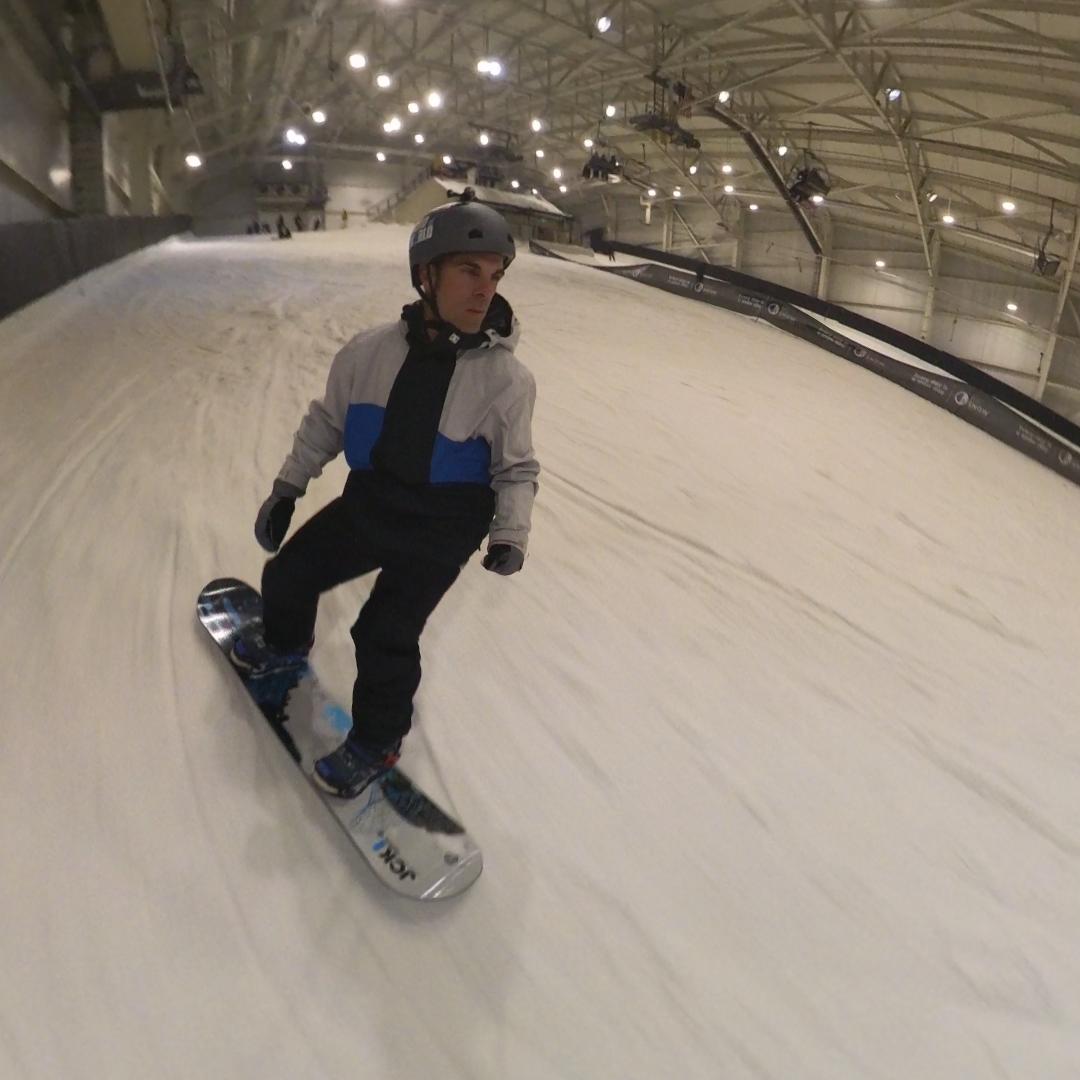
Gilson JCK Powder: 6.5/10
I haven’t ridden the JCK in powder yet. If we get a powder day here in PA before I return it, I’ll update this section.
On specs alone, this isn’t the right board for riding in deep snow . It’s meant for jibbing, jumping, and cruising groomers with your friends. The rocker between your feet may help, but it’s a twin. If you ride powder often, check out a more powder-focused board.
Gilson JCK Weight
It doesn’t feel heavy, but my setup weighed 10.9 lbs on the scale. That’s the 153 JCK with 2025 Union Ultras in a men’s medium, and the Ultras weigh 1.98 lbs each with hardware. That puts the board alone at about 6.9 lbs. I didn’t notice while riding, but the number puts it in the average weight range instead of lightweight.
Gilson JCK 2027 Specs
- Shape: True twin, centered stance
- Profile: Rocker between the feet, camber underfoot
- Base shape: Flat edge to edge (no 3D option)
- Base material: Sintered, stone ground
- Core: Built with a Pennsylvania poplar core
- Sidewall tech: Full-wrap sidewall with no seams
- Edges: Full-wrap steel edge with a single tail seam
- Gilson flex rating: 3/10
- My flex rating: 4.5/10
- Sizes: 150, 153, 153W, 156, 156W
- Made in: Selinsgrove, PA
- Warranty: 5 years
| Size | Effective Edge (cm) | Waist Width (mm) | Nose/Tail Width (mm) | Sidecut Radius (M) | Rider Weight (lbs) | US Men’s Boot |
|---|---|---|---|---|---|---|
| 150 | ~117.7 | ~252 | ~296 | ~7.7 | 120-175 | 6.5-9 |
| 153 | 120.7 | 256 | 302 | 7.9 | 130-190 | 8-11 |
| 153W | ~120.7 | ~273 | ~317 | ~8.2 | 155-220 | 11-14 |
| 156 | ~123.7 | ~258 | ~305 | ~8.1 | 155-220 | 9-12 |
| 156W | ~123.7 | ~276 | ~322 | ~8.3 | 165-220 | ~12-15 |
153 effective edge, waist, and nose/tail are my own tape measurements on the board I rode. Values marked ~ are estimates from the equivalent Gilson Undead size (150 JCK = 144 Undead, 153 = 149, 156 = 154, 156W = 154W) until Gilson publishes the JCK chart.
What Size Gilson JCK Did I Ride?
I rode the 153cm. I’m 5’6″, 142 lbs, and wear men’s size 9 US boots. It’s a normal width board, so you ride your normal length. If you ride the Undead, go up 2 to 6cm depending on your size. A 149 Undead rider would ride the 153 JCK.
Gilson JCK vs. Never Summer Easy Rider
The closest comparable non Gilson board to the Gilson JCK is the Never Summer Easy Rider. Both are true twins, both are made in the USA, and they’re a lot alike in their profile, their level of grip, and their park playful nature. The Easy Rider’s profile is where its extra grip comes from. When you put your toes into your turn, the hybrid profile adds pressure to the edge, and the JCK gets a very similar effect. My feet felt like the Easy Rider held a little more on ice.
- Choose the Gilson JCK if you want it a few dollars cheaper ($585 with code BOARDOFTHEWORLD27 vs $599.99) and a 5 year warranty.
- Choose the Never Summer Easy Rider if you ride a lot of ice and want that little bit of extra grip.
Both are excellent, so if you like the graphic more on one, you won’t make a wrong decision.
Gilson JCK vs. Gilson Undead
The JCK compares very closely to the Undead’s flat based option. The main difference with the JCK is that it felt easier to initiate turns, easier to steer all around, and a hair faster than the Gilson Undead’s flat base option.
I rode an Undead for an entire season back in 2025, and that one had the 3D base. Then for half a season in 2026, I rode the version with the flat base, which is the one that compares closest to the JCK. The boards are very similar. The main difference I felt was just how agile the JCK is to turn. That’s about it, though. They both press easy, they both have pop, and they both engage their edges well.
But these boards are so closely tied that you could go with either option and not make a bad choice.
- Go with the JCK for park riding and hitting jumps.
- For buttering, go with the Undead in the 3d base option.
- Go with either the JCK or the Undead’s Flat Base Option if you’re looking for an all-mountain freestyle deck to casually cruise your local resort.
Bindings to Pair With the Gilson JCK
I rode the JCK with 2025 Union Ultra bindings in a men’s medium. I’d definitely use the Ultra. It keeps weight down and matches the board’s flex.
Review Wrap-Up: Is the Gilson JCK Worth It?
Yes. It’s just a fun board to jib and jump with. I’d call it a more versatile Gilson Undead because of its more nimble feeling turning experience. It presses with almost no effort, butters easily, and still carves decently well. Just know it’s not as responsive as a camber deck, and you’ll have to be precise on landing with your edges off jumps so you don’t revert.
Other than that, the Gilson JCK was designed specifically to make you a stronger freestyle snowboarder, and I wouldn’t mind getting a few advantages to make park riding feel a little easier.
Where to Buy the Gilson JCK
Use code BOARDOFTHEWORLD27, all one word, and the discount shows in your cart. That takes it from $650 to $585.
If you buy through this link or use this code it costs you nothing extra, and Gilson shares a small commission that goes to support Board of the World.
Thanks for reading!
-Steve
About the Reviewer
- Rider Name: Steve Weber
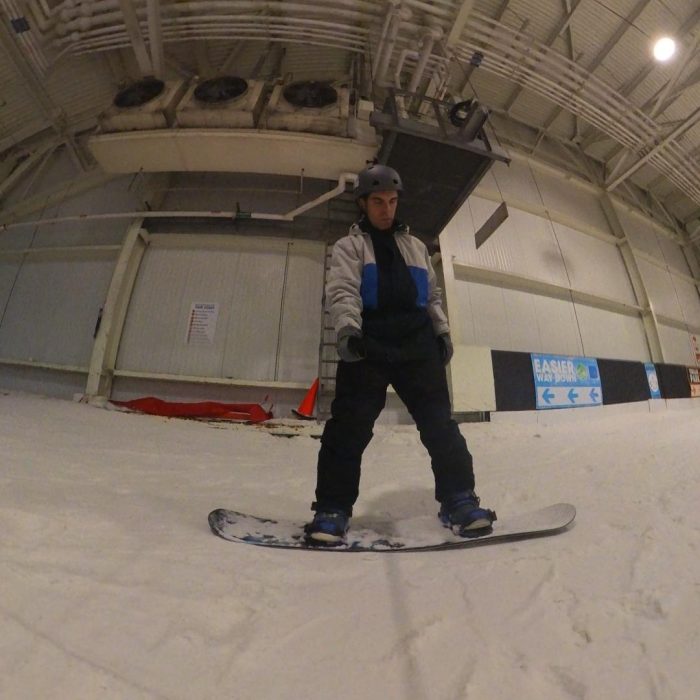
- Board Source: Loaner from Gilson’s demo fleet, I will be returning it in early January of 2027.
- Where I Rode: Big Snow American Dream, NJ, October 30, 2026
- Conditions: Indoor, crowded before Park After Dark, with icy spots
- Number of Days: 1 so far consisting of 15 park laps plus 4 carving laps at Big Snow in NJ.
- Size/Model Ridden: 153cm, 2027 Gilson JCK
- Rider Weight: 142 lbs
- Bindings Used: 2025 Union Ultra, men’s medium
- Boots Used: ThirtyTwo STW Boa, men’s size 9
Read these Related Articles

Steve Weber is the passionate snowboarder, skateboarder, and author behind Board of the World. He understands that most gear reviews focus on having the perfect snow conditions, but his testing methodology is different. Living in Pennsylvania, Steve describes exactly how a board performs when the conditions aren’t perfect. His reviews cover performance on ice, hardpack, and flat-out brick conditions. So Steve is the guy reviewing boards for the conditions that East Coast riders actually face.
Bringing 27 years of East Coast snowboarding and 21 years of skateboarding experience, Steve is a 43-year-old intermediate park rider. His recommendations are informed by decades of battling icy conditions, ensuring every review accounts for the board’s performance on the roughest of terrain.
For the last six years, Steve has poured his passion into writing in-depth, unbiased reviews that help riders make informed decisions about the gear they’ll use. He gets his first look at new gear each January at the EWSRA January Mart and rides the next season’s boards at the EWSRA on-snow demo in Stratton, Vermont. These events give him a direct line to learning about the new gear tech a few months in advance. He also consults on a local snowboard shop’s website and helps the team decide which gear to stock for the season. When he’s not writing reviews, Steve is often found riding at Montage Mountain and testing out new boards.
💬 Have a size question? Ask in the comments with your height, weight, boot size, and riding style, and I'll reply as soon as I can.