


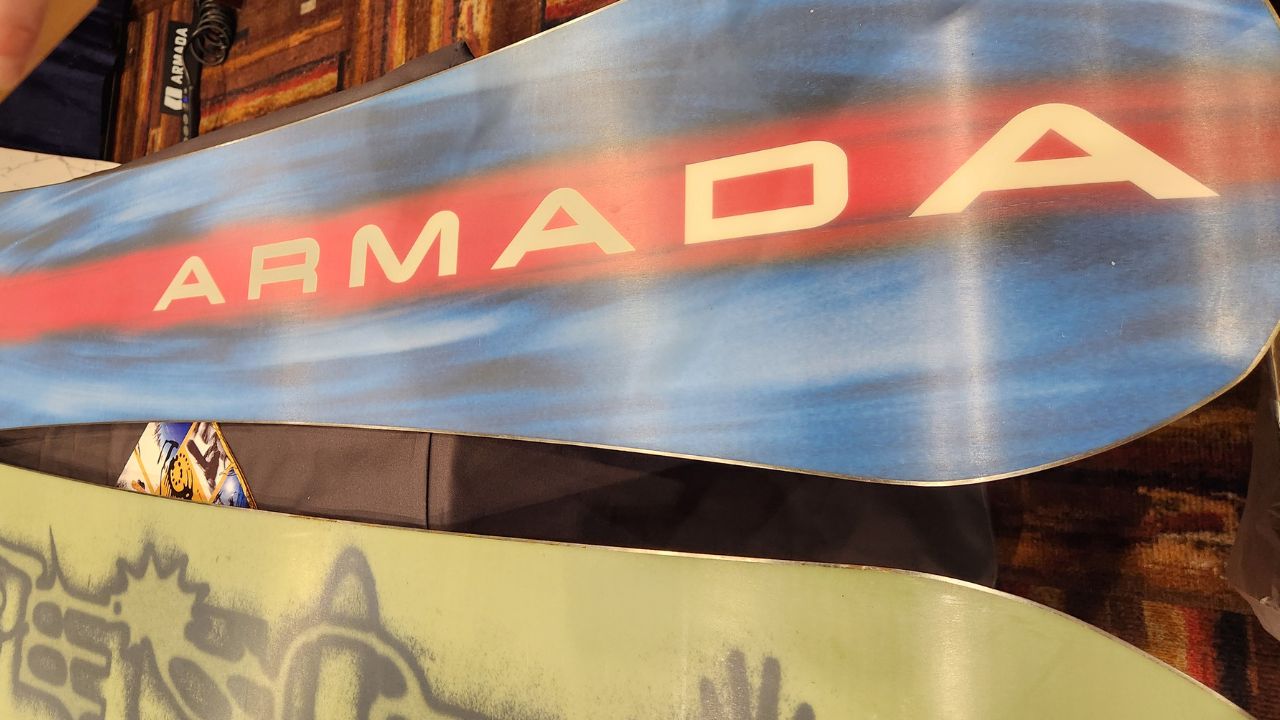

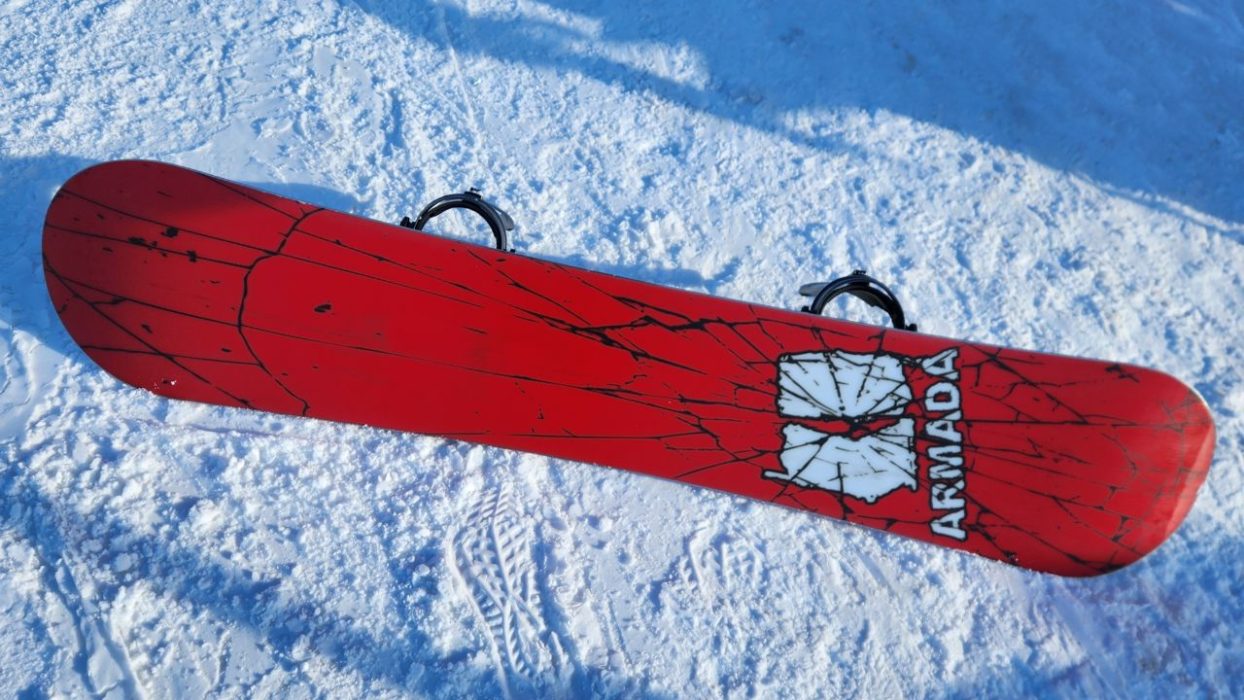
Armada just launched their first snowboard line ever for the 2026 – 2027 season. The lineup features nine boards built with input from pro riders like Danimals, Mike Liddle, Stefi Luxton, and Juliette Pelchat.
Chapters
I’ve already spent some time on two of these snowboards, the Beatnik and the Squonk, and I’ll be adding my testing notes to the rest of the lineup as I get to try the other boards. Until then, here’s a first-look preview at all nine of the boards along with a few pictures I took while I was getting debriefed on the line at the EWSRA trade show. These notes are a combination of my notes as well as the specs from Armada.
The 2027 Armada Snowboard Lineup at a Glance
| Board Name | Price | Shape / Profile | Flex Rating Out of 10 | Best For |
|---|---|---|---|---|
| Armad Cold Press | $459.95 | True Twin, Flat-top Microcamber | 5/10 | Street and jibbing |
| Armada Tuffy | $459.95 | True Twin, Flat-top Microcamber | 6/10 | Park laps / Jibbing with some jumping |
| Armada Beatnik | $579.95 | Directional, Traditional Camber | 7/10 (Armada), 6.5/10 (tested) | All-mountain freestyle perfection from carving to jibbing, to jumping |
| Armada Do-Si-Do | $579.95 | Directional, Traditional Camber | 6/10 | All-mountain freestyle versatility with a softer flex than the Beatnik |
| Armada Blueprint | $459.95 | Directional, Traditional Camber | 5/10 | Freestyle riding outside the park / Carving and sidehits |
| Armada Squonk | $529.95 | Tapered Directional | 5/10 | Mixed conditions, Pow to ice with freestyle flavor / Great for side hits |
| Armada Sicko | $599.95 | Tapered Directional | 6/10 | Freeriding and pow |
| Armada Kure | $599.95 | Tapered Directional, women’s specific | 6/10 | Freeriding and pow |
| Armada Shatter Point | $649.95 | Tapered Directional, swallowtail | 8/10 | Speed and powder, It is the stiffest deck in the whole lineup. |
All-Mountain Freestyle: Directional Boards for Riding Anything and Everything
Armada Beatnik (Ridden and Reviewed)
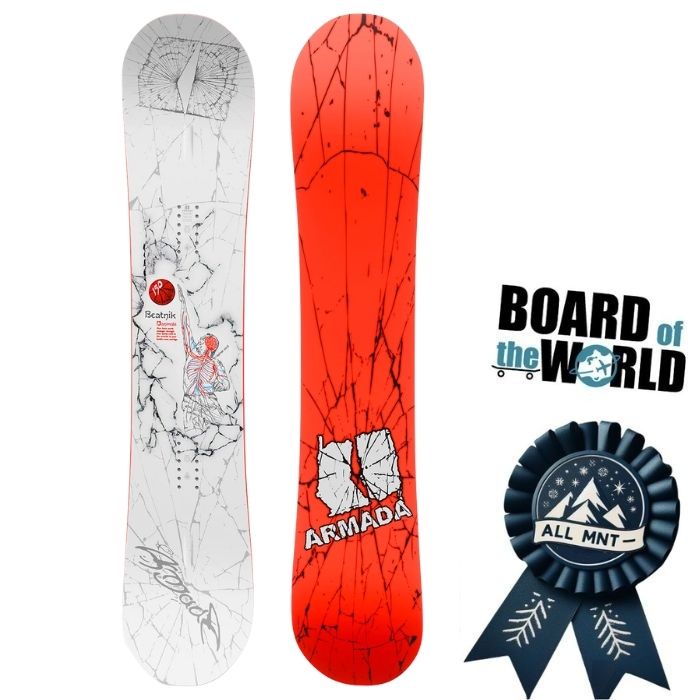
I’ve already ridden and reviewed the Beatnik. This one is Danimals’ signature board on the Armada lineup. Out of the nine boards in the line, this is the one I’d point most resort riders towards for its versatility. It’s got features built in that will make you go faster, pop higher, and ride more confidently.
The Armada Beatnik is a directional twin with a traditional camber profile that’s got early rise in its tips. Armada rates the flex at 7 out of 10, and I found it to feel really stiff immediately underfoot at around a 7/10, and then softer in the nose and tail past the carbon boosters at around a 6/10. So I’d say it’s more a 6.5 out of 10 medium flex, but it still carves like a stiff, responsive deck.
The Beatnik scored highly in our all-mountain freestyle rating scale with a score of 87.4 out of 100, and priced at $579.95, it’s $ 120 cheaper than the closest comparable deck, the Capita Mercury. The Beatnik offers as much pop, with a base that’s equally as fast, if not faster.
You can read the full rundown on sizing, who it’s for, and how it stacks up in my complete Armada Beatnik review.
Armada Squonk (Full Review Coming Soon)
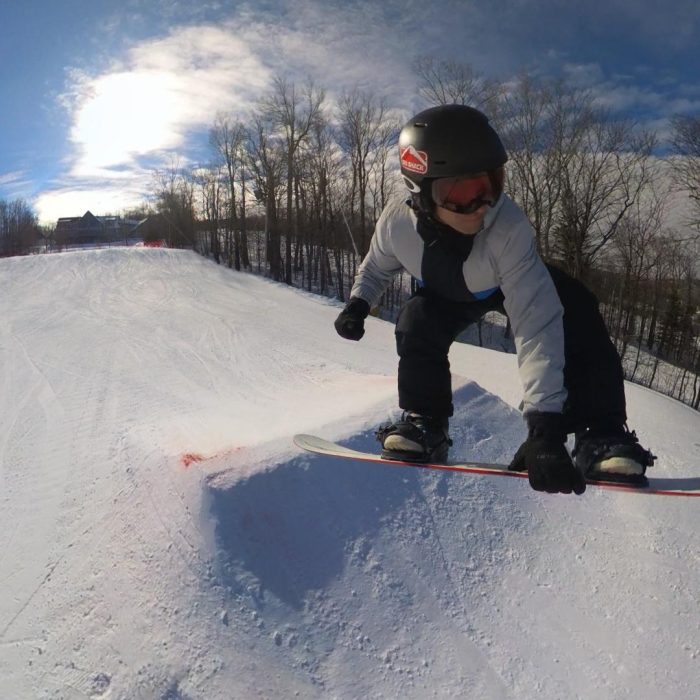
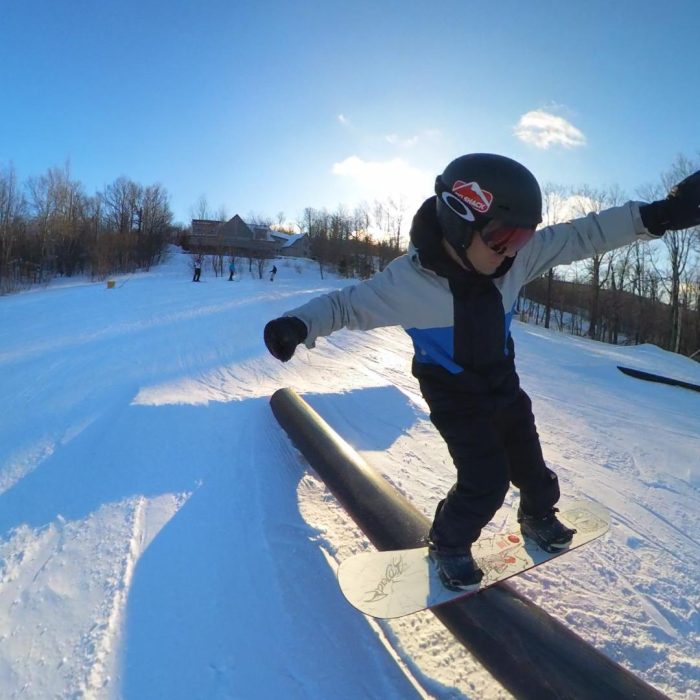
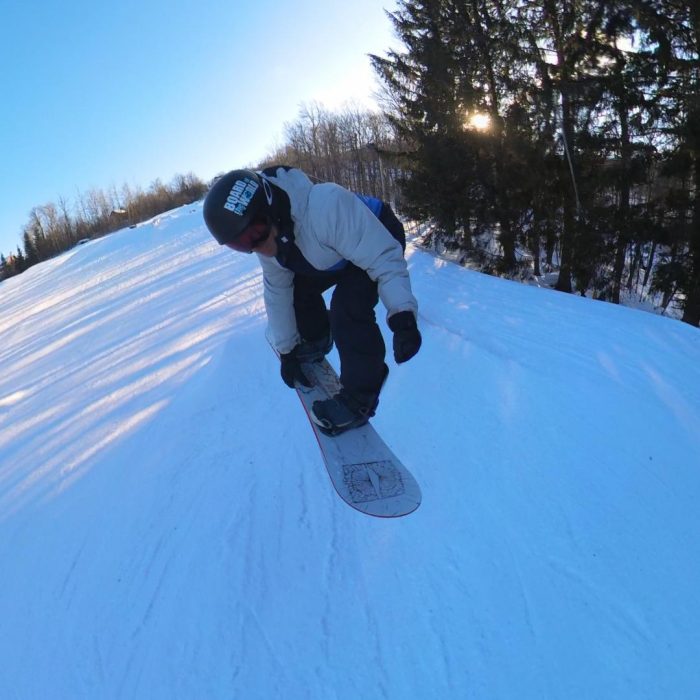
I rode the Squonk at Stratton, VT as the sun was going down. The conditions were icy and choppy with the occasional light pow stash on the sides from a storm that morning.
For being a volume-shifted (short and wide) directional board, what stood out was how versatile the Squonk was. It held an edge carving through ice, floated decently well, and was pressable and poppy in the park. It reminded me a lot of the Ride Warpig, but it has a touch more camber for carving power. It’s got a sintered base that felt noticeably quick under my feet.
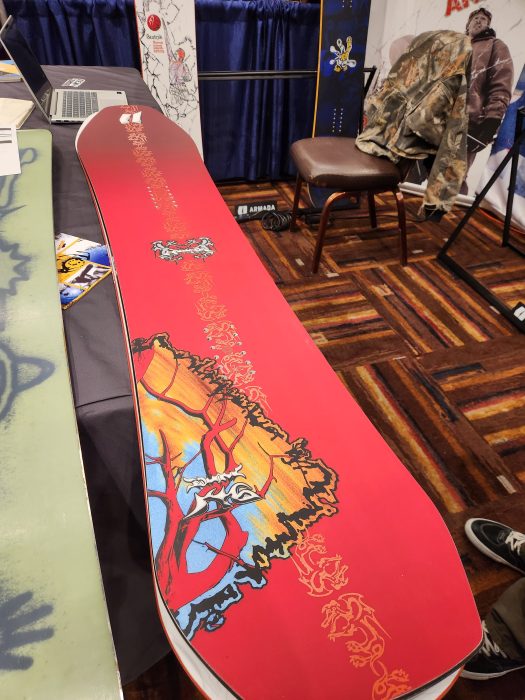
Armada recommends sizing the Squonk down by 4-6 cm from what you’d normally ride, and it’s got a soft to medium 5 out of 10 flex rating built on a tapered directional shape.

This board costs $529.95; it sits in the middle of the lineup on price. My full review is coming soon, but this one was a lot of fun, and it did everything I wanted it to in our East Coast conditions.
Armada Do-Si-Do
The Do-Si-Do is Stefi Luxton’s directional freestyle board, built on the same traditional camber and early rise profile as the Beatnik. I’d think of this one as being for anyone who likes the thought of the Beatnik, but wants it to be a pinch softer. This deck is rated with a 6 out of 10 flex (where the Beatnik is a full point more).

This board is meant to be an all-mountain freestyle machine. It can handle side hits, rollers, and park laps. I haven’t ridden this one just yet, but between the Pop-Lownia core and the same Bamboosters carbon stringers found in the Beatnik, so I’d expect it to feel very similar to it. This one costs $579.95, and comes in five sizes ranging from 138cm to 154cm.
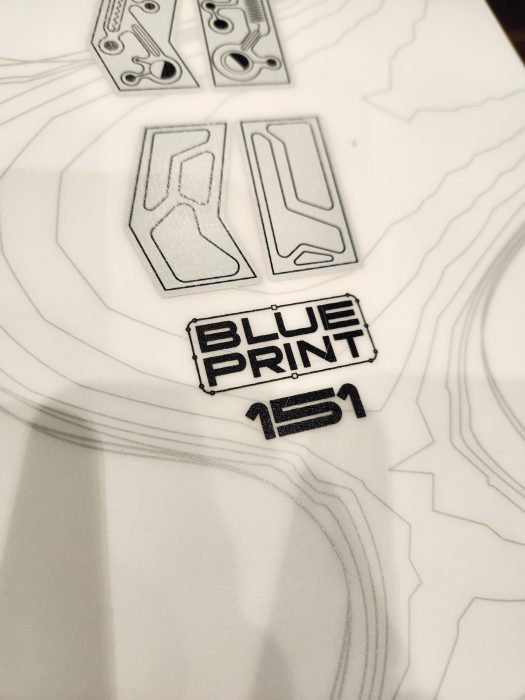
Armada Blueprint
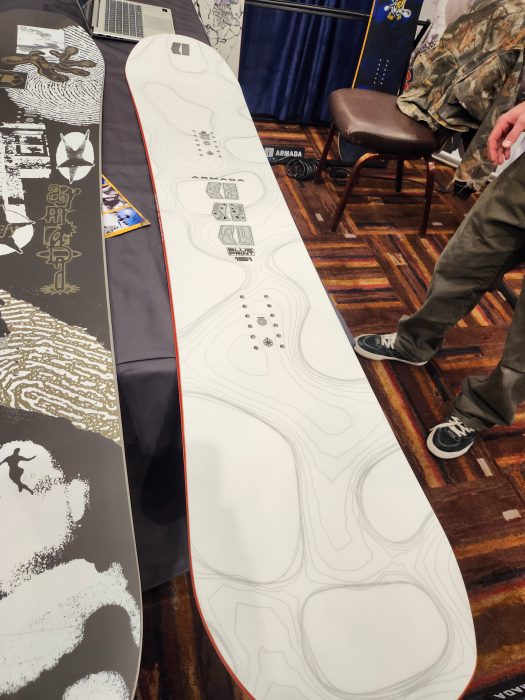
Blueprint is Armada’s unisex directional freestyle board. It’s built with a medium-soft 5 out of 10 flex on traditional camber with an early-rise nose and tail. Armada positions this deck for freestyle-focused riding outside of the park, so it’ll be perfect for sidehits, carving, and natural jib features.

At only $459.95, it’s the most affordable directional board in the Armada lineup. It’s also the only all-mountain board built on an extruded rather than sintered base, so while it will be a hair slower, it will be durable, and you won’t have to wax it as often. I haven’t ridden the Blueprint yet to comment on its exact speed.
The Blueprint comes in five sizes ranging from 147 through 163cm wide.
Park and Street: The True Twins
Armada Tuffy
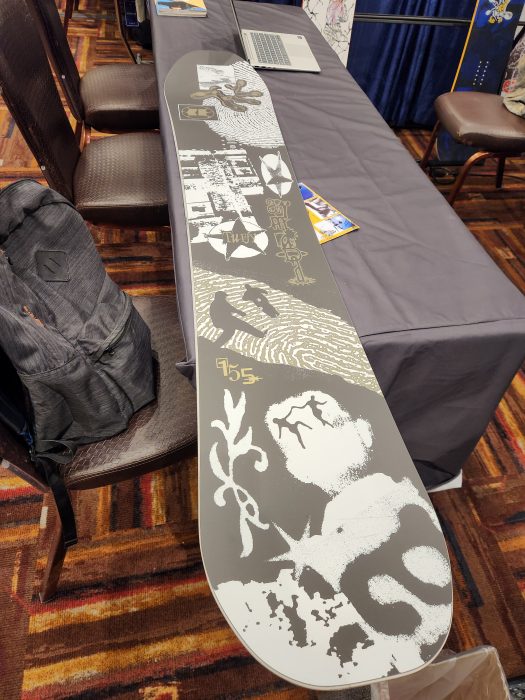
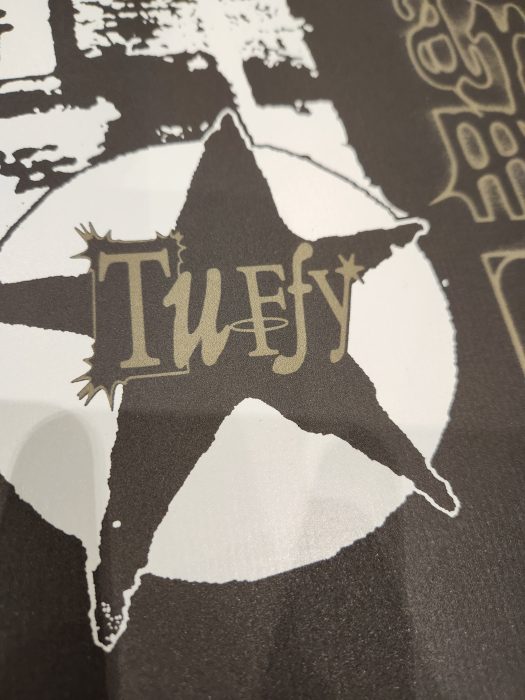
The Tuffy is Armada’s true twin park and jib board that was designed with pro rider Mike Liddle’s input. This deck has a 6 out of 10 flex rating, so it is built to be soft enough to press while still having some pop for launching off jumps. It’s built on a mellow, flatter traditional camber profile with an extruded base and designed to take a beating without blowing out an edge.
At $459.95, the Tuffy is one of the cheapest boards in the Armada lineup. This deck is right on par, price-wise, with ThirtyTwo’s Cold World, but it’s got a similar Carbon V-shaped configuration to the Capita SB Resort Twin, just $140 less. It’s a solid option for the park rider looking to get a lot of board tech for its price.

Armada Cold Press
The Cold Press is Armada’s other true twin park and street board. Its price and tech are exactly like the Tuffy construction-wise, but it’s made for smaller riders. It’s available in sizes ranging from 138cm to 147cm. Armada created this board with input from Ivika Juergenson and Egan Wint.

The only other difference in this deck to the Tuffy is that it’s rated one full point softer than the Tuffy, so this one is a 5 out of 10 flex.
Natural Freeride: Stiffer, Tapered, Built to Go Fast
Armada Sicko
The Sicko is Armada’s natural freeride board. It’s built on a tapered directional shape with a 6 out of 10 flex meant for linking creative lines and getting extra float on deeper days. It runs a hybrid glass layup, triaxial on the base side and biaxial on top, which Armada builds into most of the stiffer, terrain-focused boards in this lineup. I haven’t ridden it yet, but its specs read as the board for riders who want to explore off the groomed runs without giving up all-mountain versatility.

At $599.95, it’s priced with Armada’s other freeride-focused boards, and it comes in the widest size range of the lineup, from a 152cm up through a 162cm wide.
Armada Kure
The Kure is Armada’s women’s-specific freeride board. It’s designed with input from pro rider Juliette Pelchat. It’s built for full speed, aggressive riding, and digging trenches. This deck shares the Sicko’s tapered directional shape and traditional camber, but at $599.95 it comes in a tighter size range of 143cm, 146cm, and 150cm.

I haven’t ridden the Kure yet, but between the sintered base and the same Bamboosters carbon stringers used across Armada’s stiffer boards, I’d expect it to ride closer to the Sicko than to anything in the park-focused half of this lineup, just built specifically around a women’s stance and flex pattern.
Armada Shatter Point
The Shatter Point is the stiffest board in Armada’s debut lineup. This deck is rated 8 out of 10 flex on a tapered directional shape with a longer nose and a swallowtail. Armada built this deck for speed, so it’s got a stiffer flex that’s meant to lock in your edge when you’re moving fast, and a subtle taper and swallowtail meant to keep you floating in powder.

At $649.95, it’s also the most expensive board Armada makes right now. I haven’t ridden it yet, but based on the spec sheet, this reads as the board for advanced riders chasing pow days and speed over park laps.
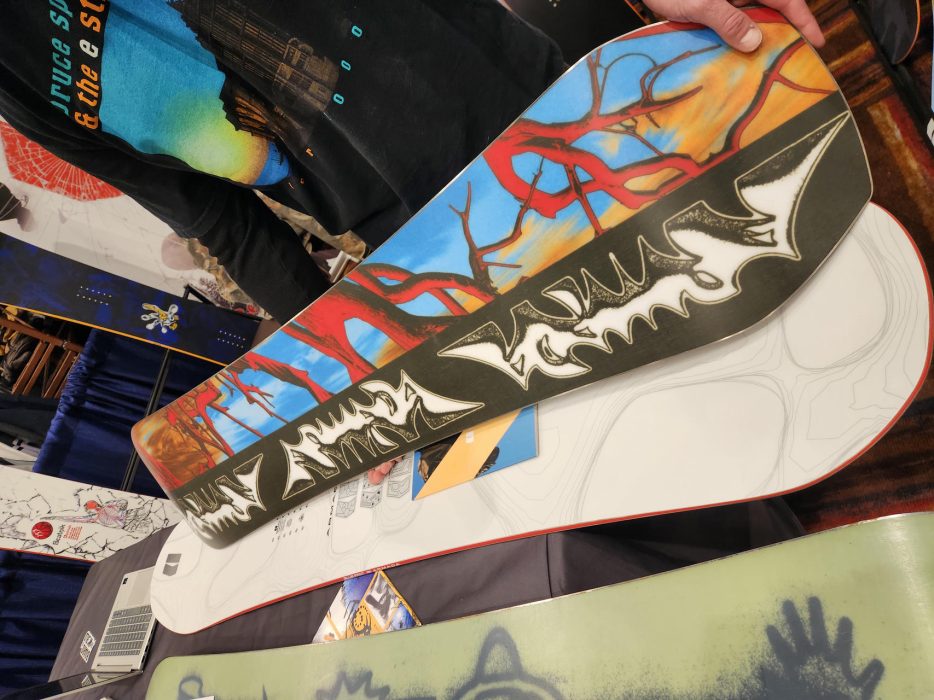
Image Gallery of the New Lineup
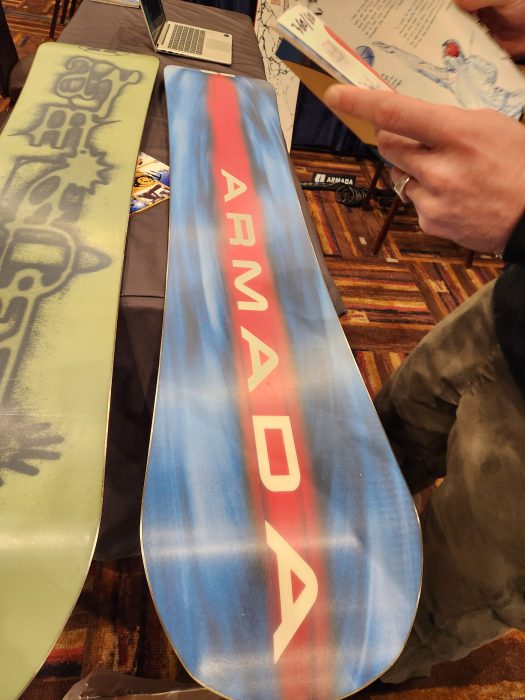
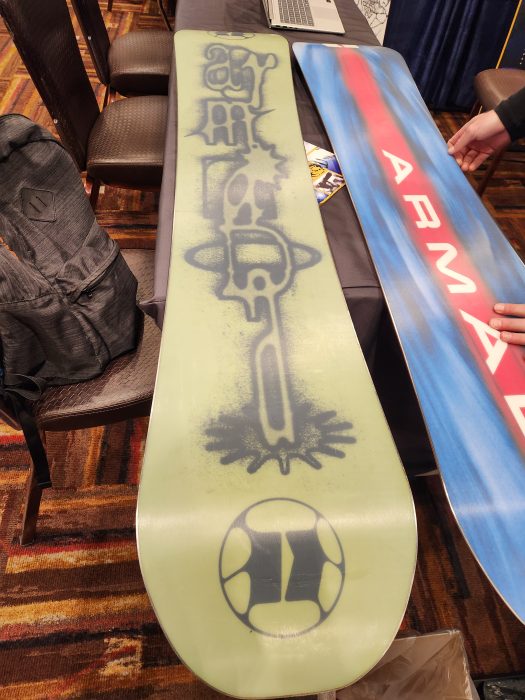
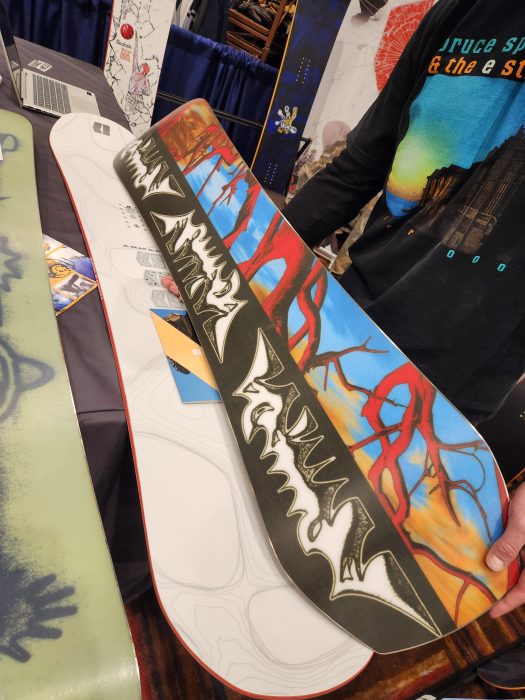
These shots were taken at the 2026/2027 EWSRA tradeshow and on snow demo event.
Next Up
I’ll be adding real testing notes to each of these boards as I get more days on them this season, starting with a full Squonk review. Since this is Armada’s first snowboard line ever, there isn’t much independent testing out there yet on any of these nine boards, so check back here as this page gets updated with real ride time instead of just spec sheets.
Read These Related Reviews

Steve Weber is the passionate snowboarder, skateboarder, and author behind Board of the World. He understands that most gear reviews focus on having the perfect snow conditions, but his testing methodology is different. Living in Pennsylvania, Steve describes exactly how a board performs when the conditions aren’t perfect. His reviews cover performance on ice, hardpack, and flat-out brick conditions. In other words, he reviews boards for the conditions that East Coast riders actually face.
Bringing 27 years of East Coast snowboarding and 21 years of skateboarding experience, Steve is a 42-year-old intermediate park rider. His recommendations are informed by decades of battling icy conditions, ensuring every review accounts for the board’s performance on the roughest of terrain.
For the last five years, Steve has poured his passion into writing in-depth, unbiased reviews that help riders make informed decisions about the gear they’ll use. He also works part-time at a snowboard shop in Northeastern Pennsylvania, which gives him a direct line to learning about the new gear tech months in advance. When he’s not writing reviews, Steve is often found riding at Montage Mountain and testing out new boards.
Steve’s goal with Board of the World is simple: to help every reader find the right gear so they can have fun outside from the first time they use it.